Finding a cockroach in the kitchen a few days after a pest treatment can feel like the treatment has failed. So, can cockroaches survive treatment? Yes, some can survive initial exposure or avoid treated areas temporarily, but continued sightings do not automatically mean the job has not worked. Cockroach control is a process that targets the active population, hidden harbourages and the conditions allowing pests to return.
For Sydney homes, apartments, cafés, offices and industrial premises, the right response depends on the species, the size of the infestation and how well the property can be prepared and protected after treatment. A professional plan should deal with more than the cockroaches you can see.
Why Cockroaches May Still Appear After Treatment
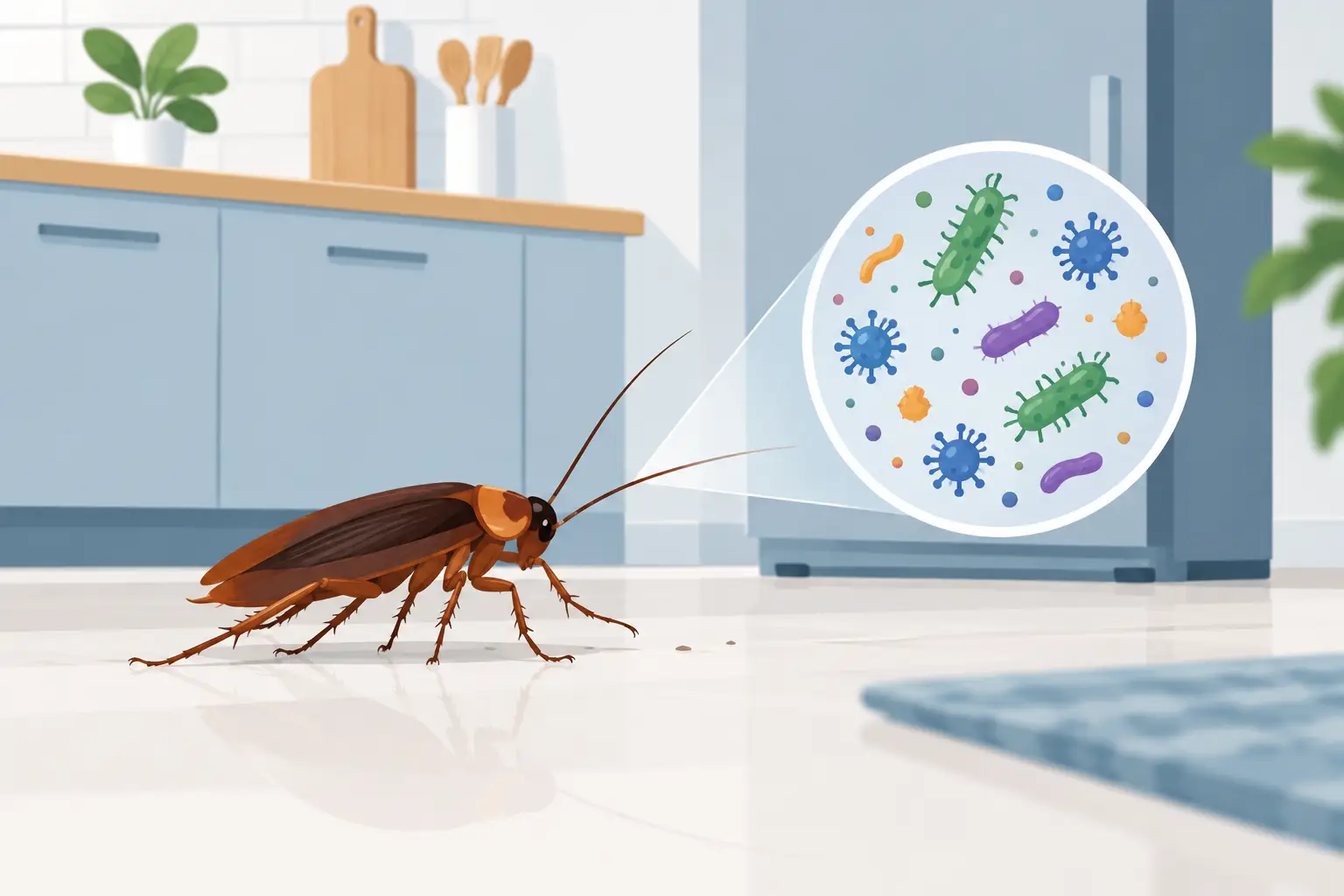
Cockroaches are built to hide. They spend most of their time in narrow cracks around cabinetry, behind fridges, under dishwashers, inside wall voids, near hot-water systems and around plumbing penetrations. German cockroaches, one of the most common indoor species in Sydney, are especially good at staying close to warmth, moisture and food.
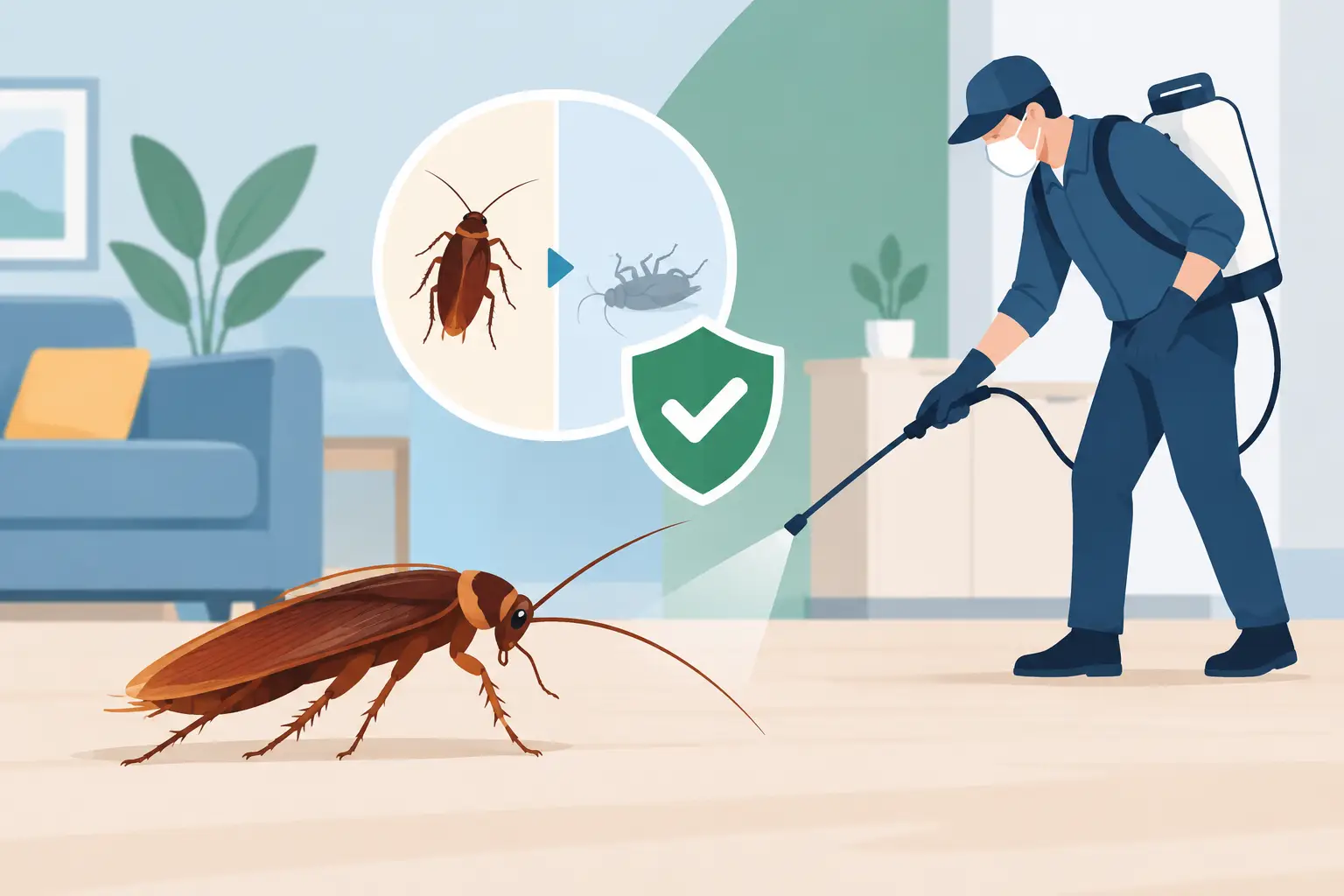
A treatment can disturb cockroaches from these hiding places. For a short period, you may notice more activity as they move through treated zones or search for a new harbourage. This can be unsettling, but it is often part of the treatment working rather than a sign that it has done nothing.
The product and method also matter. Some professional treatments are designed for fast knockdown, while baiting programs work more gradually. A cockroach may feed on bait, return to its nesting area and die later. This delayed action can help reach pests that remain out of sight, but it means results are not always immediate.
Egg cases create another reason sightings can continue. Many treatments are highly effective against juvenile and adult cockroaches but may not eliminate every egg case at the same moment. When eggs hatch, newly emerged cockroaches can encounter residual treatment or bait. That is why follow-up inspections and targeted return visits are often necessary for established infestations.
Can Cockroaches Survive Treatment If They Are Resistant?
They can. Resistance is one of the biggest reasons a store-bought spray may seem to work briefly before cockroaches return. Repeated exposure to the same active ingredient can leave behind the hardier insects, allowing a more resistant population to build over time.
Resistance does not mean cockroaches are impossible to control. It means treatment needs to be more considered. Licensed technicians can identify likely harbourage areas, select appropriate industry-approved products, rotate treatment approaches when needed and combine methods rather than relying on one spray. This may include targeted residual applications, gel baits, insect growth regulators, dusts for inaccessible voids and monitoring devices.
The aim is not to coat every surface with chemicals. A safer, more effective approach applies treatment where cockroaches travel, feed and shelter, while reducing access to the food, water and entry points they rely on. This is particularly important in homes with children and pets, as well as food-handling businesses and shared apartment buildings.
What Effective Cockroach Treatment Looks Like
A good cockroach treatment begins with inspection, not guesswork. The technician should look for live insects, droppings, shed skins, egg cases, water leaks, grease buildup, gaps around pipes and signs of activity in adjoining areas. In strata properties, the source may be in a neighbouring unit, common rubbish room, service duct or shared plumbing line.
From there, the treatment plan should match the site. A light cockroach issue in a tidy freestanding home may respond quickly to a targeted treatment and practical prevention. A heavy German cockroach infestation in a unit block or commercial kitchen can require multiple visits, cooperation from occupants and ongoing monitoring.
At Ready Pest Control, this work follows a clear inspection, plan, treatment and protection process. It gives property owners a practical view of where cockroaches are coming from, what will be treated and what needs to happen next to protect the premises.
You should expect clear instructions before and after service. Depending on the treatment method and the affected rooms, this may include clearing items from cupboards, covering food preparation surfaces, keeping pets away during application and allowing treated areas to dry before normal use. Always follow the directions provided for your specific treatment rather than relying on general advice.
How Long Should It Take to See Results?
There is no single timeframe for every infestation. You may see a noticeable reduction within the first few days, especially where there are active adults moving through treated areas. For bait-based or more established infestations, activity can continue for one to three weeks as cockroaches emerge from hiding places and younger stages hatch.
The key is the overall trend. Sightings should become less frequent, and signs such as droppings, live nymphs and cockroach odour should reduce over time. One cockroach seen after treatment is different from finding several each night in the same kitchen drawer.
Call your pest professional if activity is increasing after the initial treatment period, if you continue to see cockroaches in multiple rooms, or if you find fresh egg cases and large numbers of young cockroaches. These signs can indicate an untreated harbourage, resistance, reinfestation from another area or a need for follow-up service.
What Can Cause Reinfestation?
Cockroaches do not always return because the original treatment failed. They can be brought in through grocery bags, cardboard boxes, second-hand appliances, deliveries or furniture. In apartments and commercial buildings, they can move through wall voids, electrical conduits, drains and pipework from another tenancy.
Food and moisture are powerful attractants. Crumbs under appliances, pet food left overnight, greasy cooktops, unsealed pantry items, dripping taps and damp areas under sinks can all support an infestation. Outdoor cockroaches may also enter through gaps around doors, damaged flyscreens, weep holes or poorly sealed service penetrations.
For businesses, rubbish storage and cleaning routines matter just as much as treatment. A single overlooked floor drain, overflowing bin area or food spill behind equipment can provide enough resources for cockroaches to remain active. Regular inspections are particularly valuable where hygiene, reputation and uninterrupted operations are at stake.
Steps That Help Treatment Keep Working
Professional treatment does the heavy lifting, but simple property habits make a real difference. Keep food in sealed containers, wipe benches and cooktops after use, vacuum crumbs from under appliances and empty indoor rubbish regularly. Do not leave pet bowls full overnight if cockroach activity is present.
Fix leaks promptly and avoid storing cardboard, paper bags or clutter beneath sinks and in cupboards. Cockroaches use these materials as shelter. Seal gaps around pipes, skirting boards and cupboards where practical, particularly once the source of activity has been identified.
Avoid applying supermarket sprays over professionally placed bait or treated areas unless your technician tells you to. Repellent sprays can push cockroaches away from bait stations and make it harder to assess where activity remains. If you need to clean, ask which surfaces should be left undisturbed and for how long.
When a Follow-Up Treatment Is the Right Call
Follow-up is not an optional extra for every situation, but it is often the sensible next step for heavier infestations, German cockroach problems, multi-unit properties and commercial sites. It allows the technician to check progress, treat newly active areas and respond to signs that were not visible during the first visit.
A follow-up also helps separate normal post-treatment activity from a genuine ongoing issue. Your technician can inspect monitors, identify new entry points and adjust the plan based on what is happening in the property. That is far more reliable than repeatedly spraying visible cockroaches and hoping the source disappears.
If cockroaches are still making you uncomfortable in your own kitchen, affecting a tenant’s living conditions or creating a hygiene risk at work, do not wait for the problem to grow. A focused inspection can turn uncertain sightings into a clear plan for lasting protection.