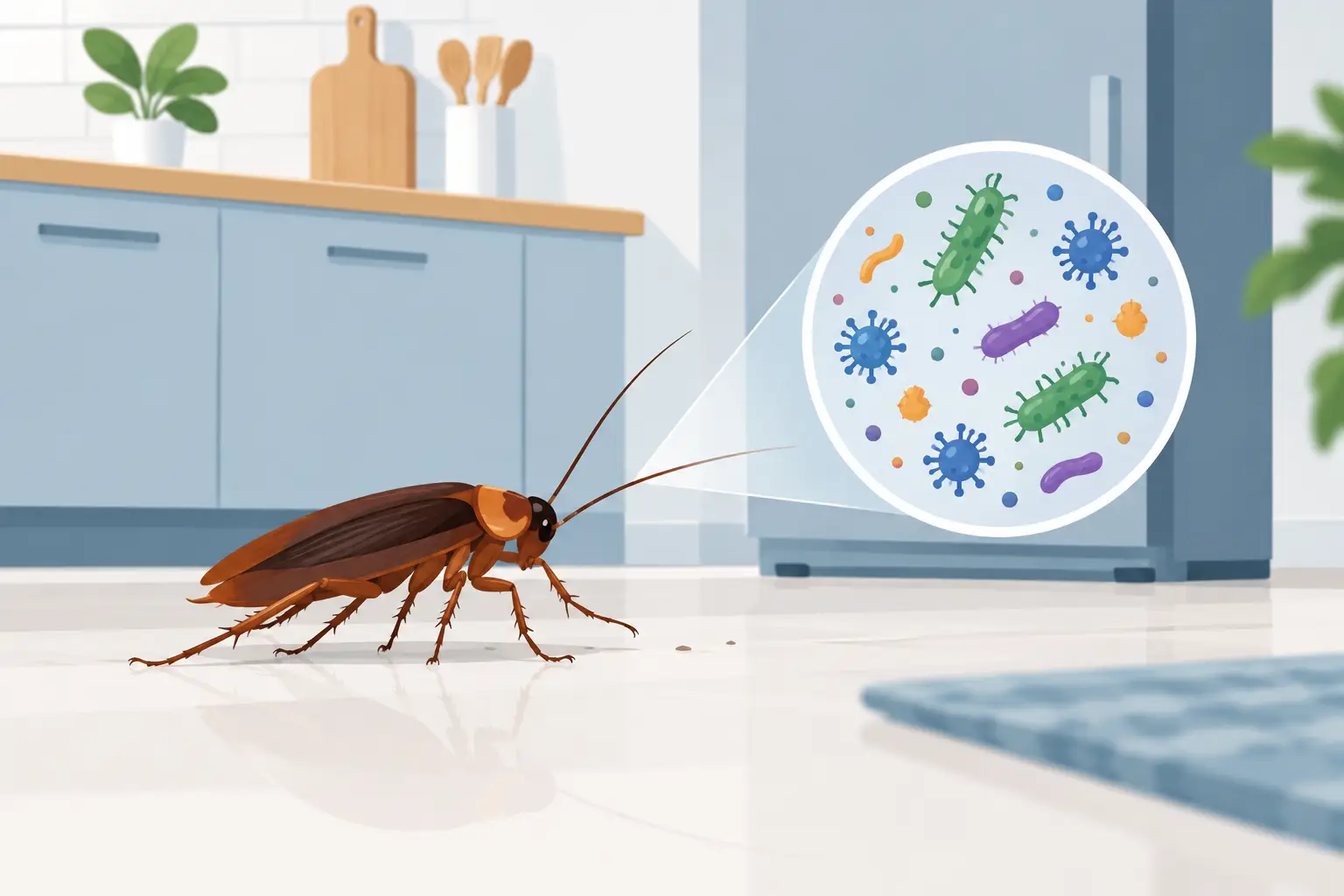
A cockroach seen crossing the kitchen bench at night is rarely travelling alone. The best cockroach bait stations can reduce activity by targeting roaches where they feed and return to harbourage, but the right result depends on the species, placement and size of the infestation. For Sydney homes, apartments and businesses, bait stations work best as part of a focused plan rather than a quick fix placed in the middle of the floor.
What Makes a Cockroach Bait Station Effective?
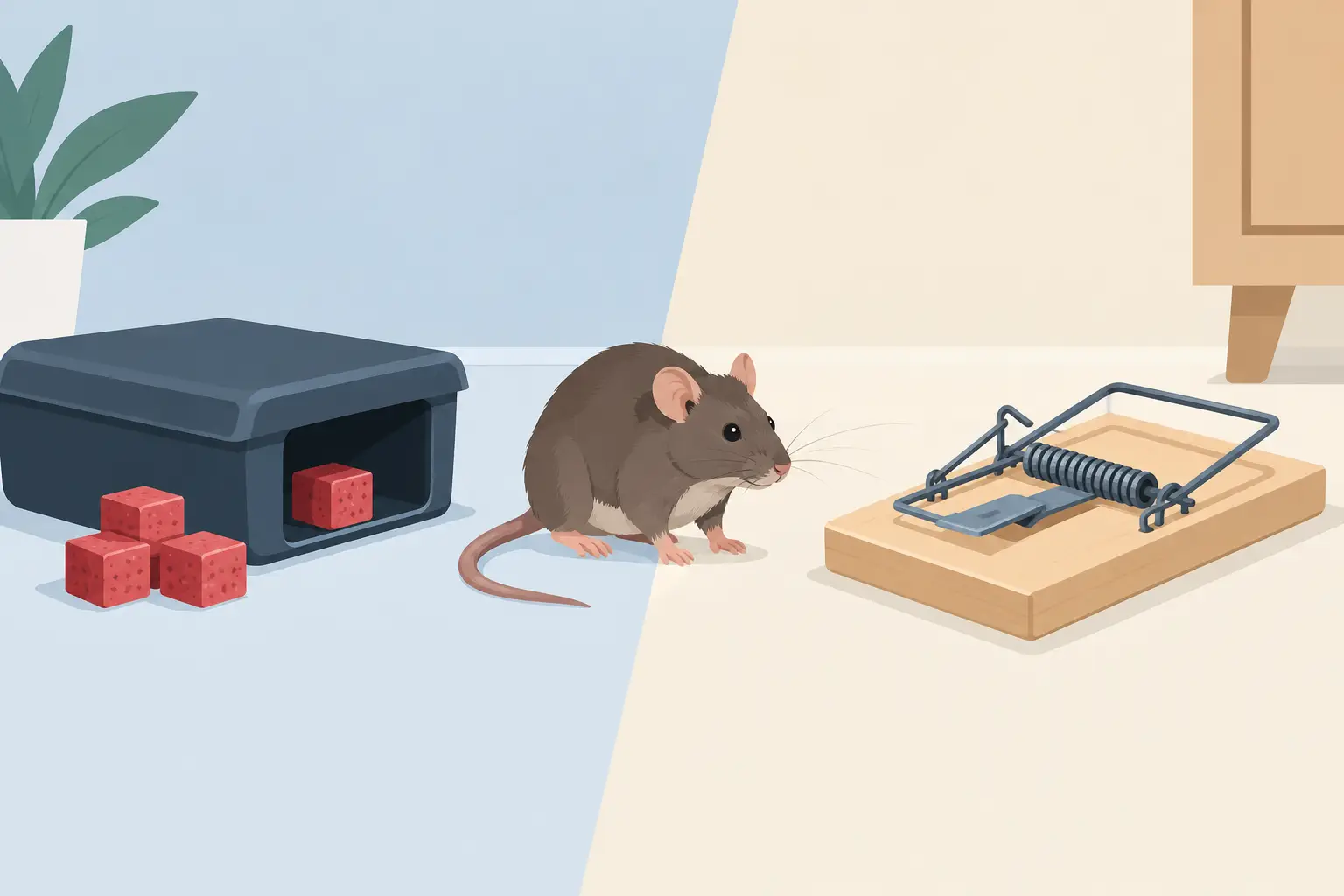
A bait station is a small enclosed container holding an attractive food bait combined with a slow-acting insecticide. Roaches feed on the bait, return to their hiding places and can transfer the active ingredient through the population. This delayed action matters. A product that kills instantly may stop one visible cockroach, but it may not reach the hidden breeding areas behind appliances, inside cupboards, wall voids or under flooring.
The best stations have a bait formulation roaches will readily eat, a secure design that keeps bait contained, and an active ingredient suited to the situation. They should also be placed where cockroaches are already travelling, not where people wish they would be.
No single station is best for every property. Small German cockroaches commonly infest kitchens, bathrooms, apartments and hospitality premises. They breed quickly and often need a more thorough treatment response. Larger Australian, American or smoky brown cockroaches are more likely to enter from drains, roof voids, gardens, garages and exterior areas. Their control often relies as much on exclusion and outdoor management as indoor baiting.
Look for a contained, tamper-resistant design
For households with children or pets, enclosed bait stations are generally a more practical choice than exposed bait products. The bait remains inside the housing, reducing casual contact and keeping the area tidier. That does not make any pest-control product completely risk-free. Always read and follow the label, keep stations out of reach, and do not place them where a pet can chew or swallow the entire unit.
Commercial kitchens, childcare settings, strata common areas and industrial sites need an even more careful approach. Placement must protect people and food-handling areas while still giving cockroaches a clear route to the bait.
Choose bait for the roach pressure, not the packaging
Some stations are designed for light monitoring and occasional cockroach activity. Others contain stronger professional-grade baits intended for established infestations. A cheap multi-pack can be useful for a single outdoor invader, but it is unlikely to solve a well-established German cockroach problem in a unit block.
If roaches ignore a bait, it may be old, poorly placed, competing with easier food sources, or simply not appealing to that population. Cockroaches can develop bait aversion, especially where the same formulation has been used repeatedly. Changing bait types may help, but ongoing activity usually calls for an inspection rather than more products.
Best Cockroach Bait Stations by Situation
The best choice starts with an honest assessment of what you are seeing. Focus on the outcome you need rather than expecting one style of station to cover every situation.
Best for a few large roaches entering from outside
For the occasional large cockroach found near a laundry, garage, bathroom drain or external door, enclosed ready-to-use stations can be useful along likely entry points. Place them in dry, sheltered areas near gaps around plumbing, behind bins, beside the hot-water system or close to the internal side of door thresholds.
Also check the source. Repair torn flyscreens, fit door seals, clear leaf litter from around the building and keep external rubbish bins clean with lids closed. Large outdoor cockroaches are attracted to moisture and harbourage. A bait station indoors will not correct a damp subfloor, overflowing drain or cluttered garden edge.
Best for kitchen and apartment infestations
Small light-brown roaches around the dishwasher, fridge motor, microwave, cupboards or bathroom vanity need a more strategic response. Stations can help, but gel baits placed precisely in inaccessible cracks are often more effective for these tight harbourage areas. Professional treatment may combine targeted baiting, crack-and-crevice application, monitoring and follow-up visits.
In apartments, the problem may extend beyond one kitchen. Roaches travel through shared plumbing, electrical conduits and wall voids, so treating one unit without addressing entry points or neighbouring activity can lead to repeat sightings. Let the property manager or strata representative know early, particularly if several residents have noticed roaches.
Best for homes with children and pets
Use enclosed, tamper-resistant stations and position them where children and animals cannot access them. Behind the refrigerator, inside a secured under-sink cupboard, behind a washing machine, or in a locked service area are usually better choices than open benches and accessible floors.
Avoid spraying insecticide over or immediately beside bait stations. Repellent sprays can discourage cockroaches from approaching the bait. Keep food stored in sealed containers, wipe crumbs and spills promptly, and do not leave pet food out overnight. These steps make the bait more attractive and reduce the food available to the infestation.
Best for businesses and food premises
Bait stations can form part of a professional integrated pest management program, but they should not be the entire program. Cafes, restaurants, warehouses, offices and healthcare settings need documented inspections, careful placement, sanitation checks and ongoing monitoring. A cockroach issue can affect hygiene standards, customer confidence and operations.
For these sites, hidden activity matters as much as visible activity. Monitoring points can show where pressure is building before customers or staff spot a cockroach. This allows treatment to be adjusted around delivery areas, cool rooms, staff kitchens, plant rooms, drains and waste storage.
Where to Place Bait Stations for Better Results
Cockroaches prefer warmth, moisture, darkness and easy access to food. Put stations close to their routes, ideally against walls or in corners, rather than in exposed open spaces. Check behind and underneath the fridge, dishwasher, oven, washing machine and microwave. Inspect under the kitchen sink, near pipe penetrations, inside pantry corners, in bathroom cabinets and around laundry drains.
Use enough stations for the area, but do not scatter them randomly. In a small kitchen, several well-positioned units near confirmed activity are more useful than a box of stations spread through bedrooms where no signs exist. Follow the product label for spacing, replacement timing and disposal.
Before placing bait, remove competing food sources. Vacuum crumbs from kickboards and cupboard tracks, clean grease around cooking areas, rinse recyclables, and empty rubbish regularly. Fix leaking taps and pipes. Roaches can survive on surprisingly small amounts of food and water, so cleaning alone will not eliminate an established infestation, but it makes every treatment work harder.
Signs Bait Stations Are Not Enough
Give a bait station time to work according to its label directions. You may see increased activity briefly as roaches feed, then a gradual reduction. However, persistent sightings after several weeks, daytime roaches, egg cases, droppings resembling black pepper, or a musty odour point to a larger infestation.
Daytime activity is especially worth acting on. Cockroaches usually avoid light, so seeing them during the day can mean their harbourage areas are crowded or food competition is high. Repeated use of off-the-shelf products may also push roaches deeper into walls without reaching the breeding source.
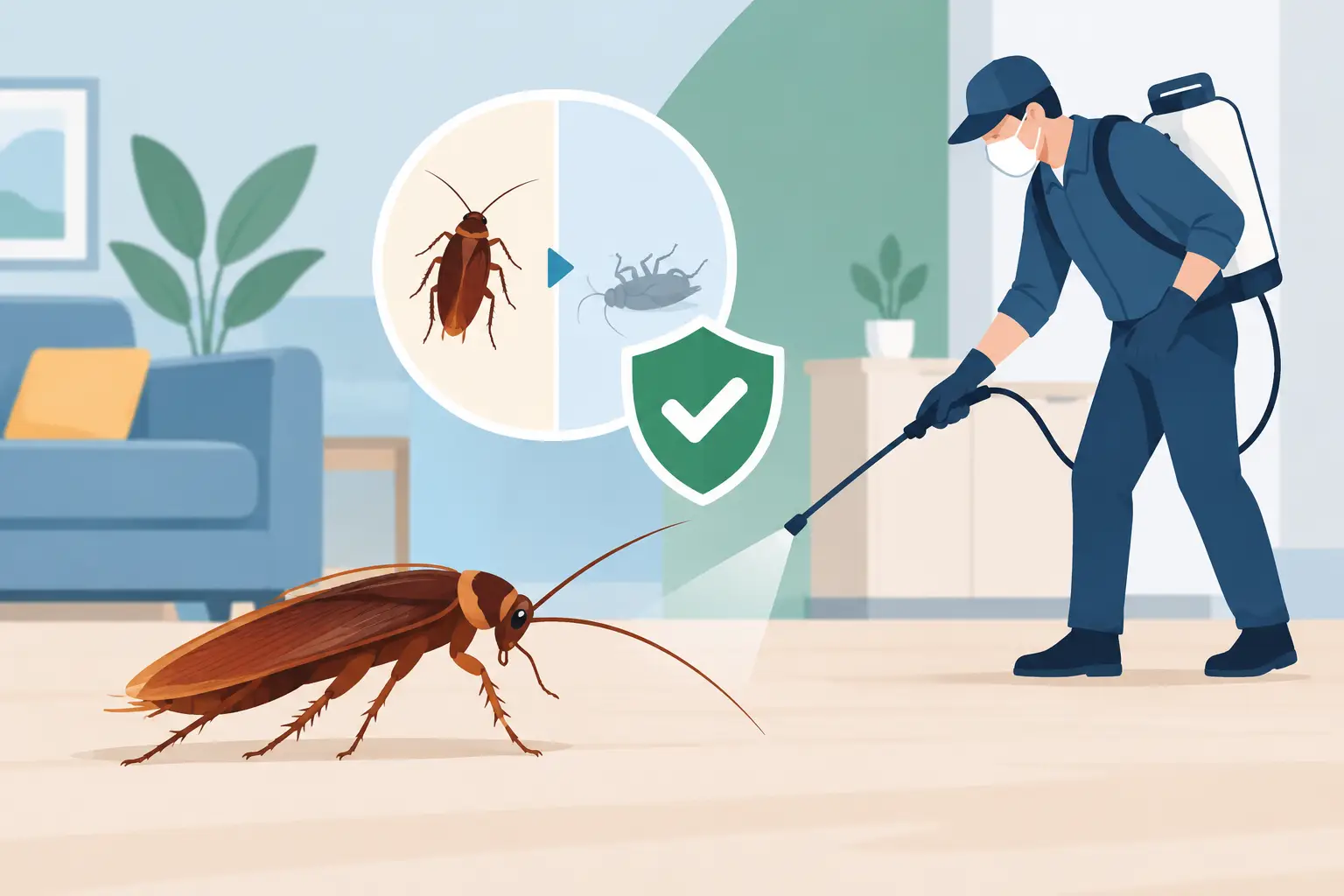
A licensed technician can identify the species, find harbourage with advanced detection methods and build a treatment plan around your property. This may include targeted baiting, insect growth regulation, low-toxicity applications where appropriate, exclusion work and scheduled follow-up protection. Ready Pest Control provides this structured approach across Sydney, starting with an inspection so treatment is based on evidence rather than guesswork.
Common Questions About Cockroach Bait Stations
How long do bait stations take to work?
Most bait stations are designed to act gradually, not immediately. You may notice a reduction over days or weeks, depending on roach numbers, competing food, species and placement. Replace stations as directed on the label, especially if they become wet, damaged or depleted.
Should I use bait stations and sprays together?
It depends on the products and where they are used. Spraying repellent insecticide close to bait can reduce feeding. If an infestation needs both methods, a professional can apply them in a way that does not undermine the baiting program.
Can I prevent cockroaches from returning?
Yes, but prevention needs ongoing attention. Seal gaps around pipes, repair leaks, manage rubbish, store food securely and reduce cardboard and clutter near kitchens, laundries and storerooms. For recurring issues, regular professional maintenance gives you the best chance of stopping activity before it becomes a full infestation.
If a station catches the first signs of activity, act while the problem is still small. If cockroaches keep appearing, protect the property with a proper inspection before they claim more of the spaces where your family, tenants, staff or customers should feel comfortable.