A cockroach in the kitchen, scratching in a ceiling cavity or bites that appear after sleep can feel like a problem contained to one flat. In apartment pest control, that is rarely the full picture. Pests can move through shared walls, service ducts, rubbish rooms, roof spaces, balconies and plumbing penetrations. Treating only what is visible may reduce activity briefly, but finding where pests are feeding, nesting and entering is what stops the cycle.
For Sydney renters, owners and strata managers, the right response is prompt, practical and coordinated. The aim is not simply to spray a room. It is to remove the active infestation, reduce the conditions attracting pests and protect the apartment from the next wave.
Why apartment pests keep coming back
Apartments offer pests everything they need in a compact area: warmth, water, food and hiding places. Cockroaches gather around kitchen appliances, dishwashers and pipework. Ants follow tiny food spills and moisture trails. Rodents can travel inside wall cavities and ceiling spaces, then enter through gaps around pipes or damaged vents.
The shared nature of an apartment building changes the job. A neighbouring unit with a serious cockroach issue, an overflowing rubbish chute or a leaking common-area pipe can allow activity to return after a treatment. Bed bugs may also be carried between rooms and units in luggage, furniture or laundry rather than coming from outdoors.
That does not mean every pest issue requires a whole-building treatment. A single, early-stage infestation can often be managed within one apartment. It depends on the pest, the level of activity, how long it has been present and whether there are signs of movement beyond the unit. A professional inspection separates a local problem from a building-wide risk before treatment begins.
The signs that call for apartment pest control
One sighting is worth taking seriously, particularly with cockroaches, rodents and bed bugs. Seeing a pest in daylight, however, can point to heavier activity because many common pests are more active at night.
Look for droppings in cupboards, under sinks or behind appliances; chew marks on food packaging or cables; an unusual musty smell; grease marks along walls; shed insect skins; and tiny gaps around pipework. For bed bugs, small dark spotting around mattress seams, bed frames and skirting boards can be an early warning. Ant trails near windows, balconies and kitchen benches often lead back to a food or water source.
Avoid moving infested furniture through common hallways or placing mattresses, lounges or appliances in shared areas without advice. That can spread pests to other units and make the original source harder to identify. If rodents are suspected, do not handle droppings or nesting material with bare hands. Keep children and pets away from the area until it has been assessed and cleaned safely.
A proper treatment starts with inspection
Effective apartment pest control follows a simple process: inspection, plan, treatment and protection. Each stage matters because a treatment chosen without identifying the pest, entry point or harbourage area can miss the real cause.
During an inspection, a licensed technician checks likely pest zones inside the unit, including kitchens, bathrooms, laundries, wardrobes, balconies, ceiling access where available and areas around plumbing. They also look for practical factors such as water leaks, unsealed food, damaged flyscreens, gaps beneath doors and clutter that creates hiding places.
If the issue may be linked to common property, the findings should be documented and raised with the property manager, landlord or strata committee. This is particularly relevant for recurring cockroaches, rodents in wall cavities, pest activity near rubbish areas and infestations affecting multiple units. Early communication gives everyone a clearer path to action instead of leaving residents to treat the same issue repeatedly.
Treatment should match the pest and the building
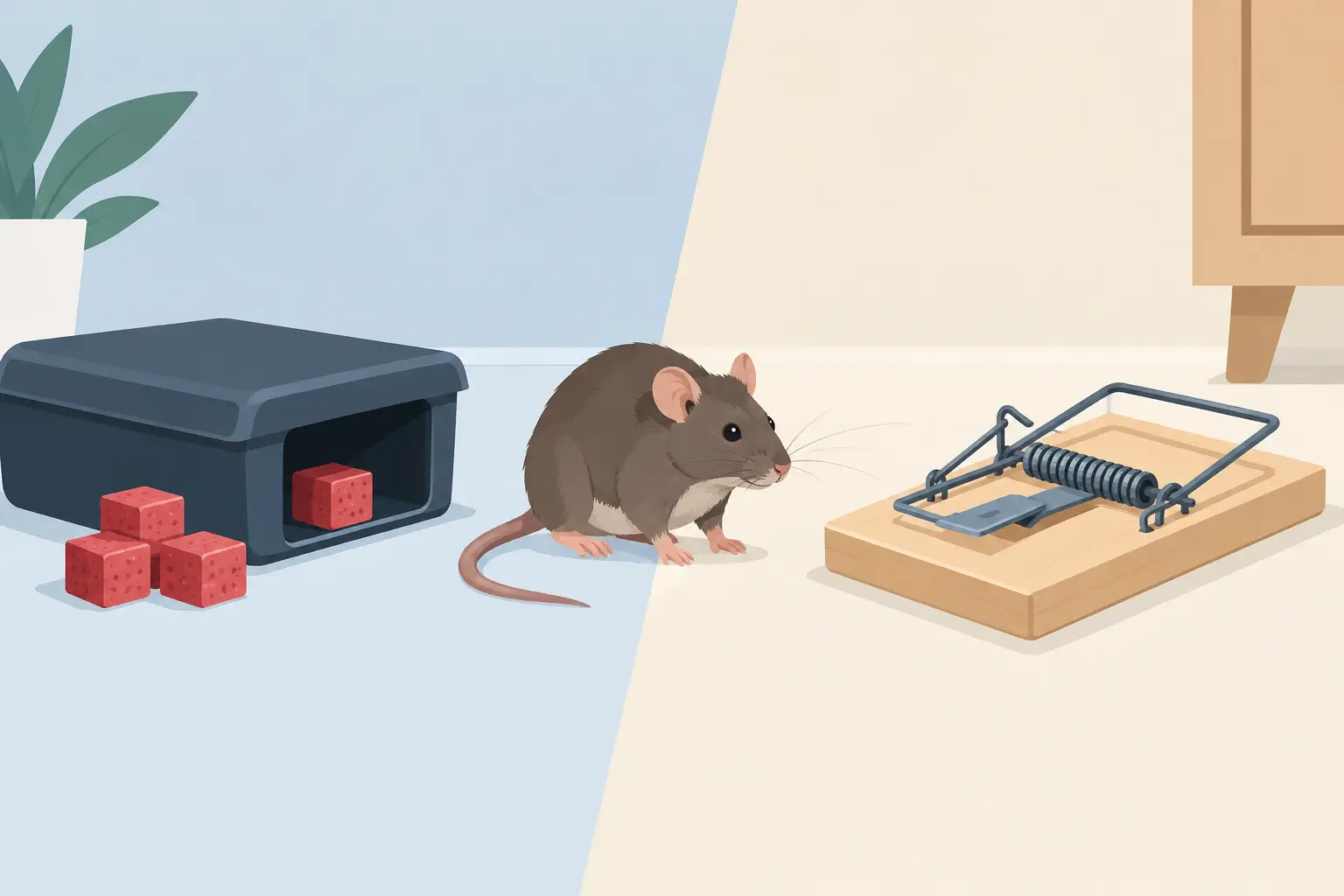
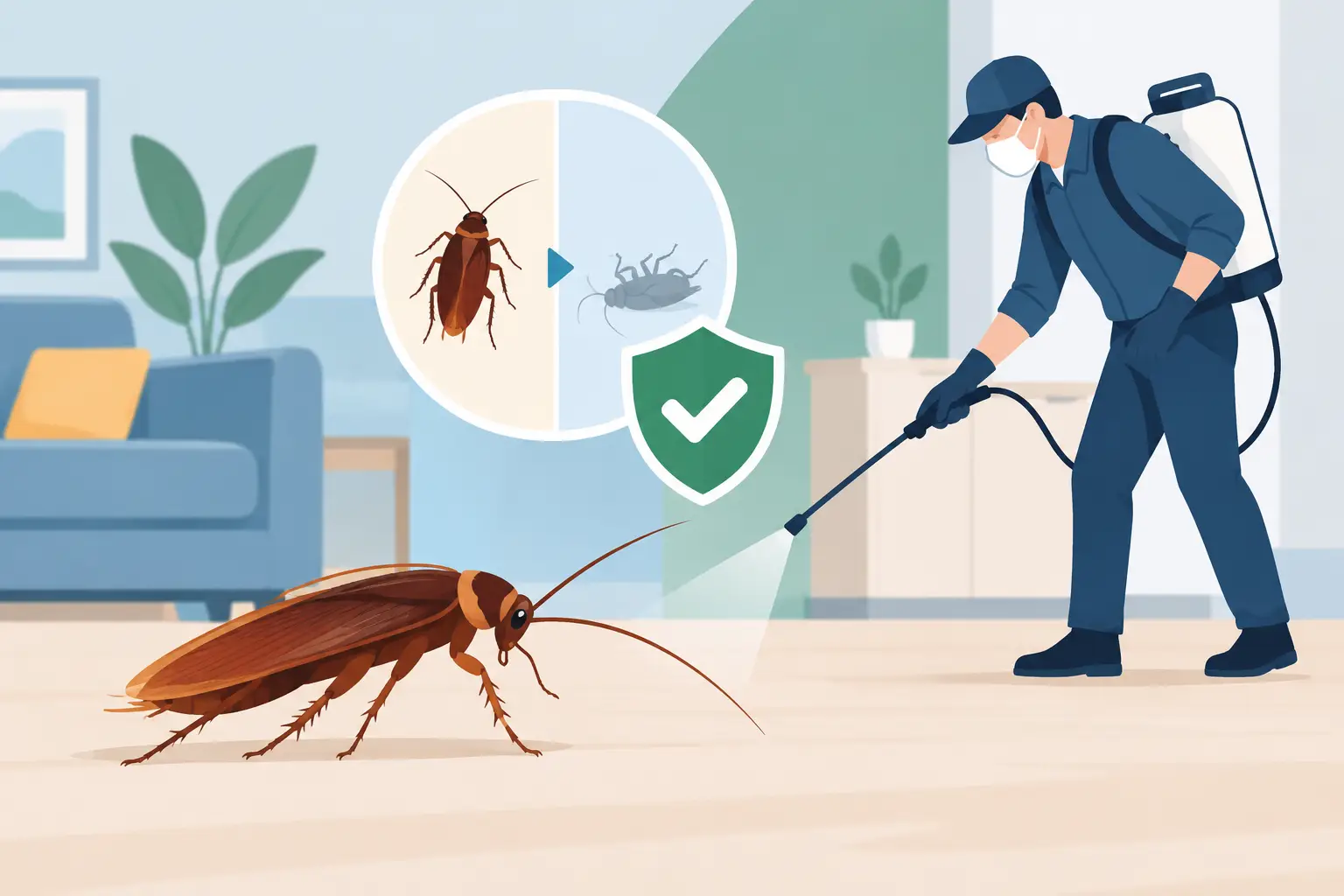
There is no single apartment treatment that suits every infestation. Cockroach control may involve targeted gel baits, crack-and-crevice treatments and monitoring in kitchens and bathrooms. Rodent control may require secure baiting and trapping, combined with proofing entry points where access allows. Bed bug work needs detailed inspection, careful treatment of sleeping areas and follow-up checks.
The treatment method should also account for residents. Homes with young children, pets, asthma concerns or fish tanks may need specific preparation and precautions. A qualified technician will explain what products are being used, where they will be applied, when it is safe to re-enter treated areas and what follow-up is needed. Low-toxicity, targeted methods are often a sensible choice, but the best option still depends on the pest pressure and site conditions.
Ready Pest Control builds treatment plans around the infestation and the apartment, not a one-size-fits-all spray. That approach helps protect the people living in the home while dealing with the pest activity at its source.
What tenants, owners and strata can do
Responsibility can vary under a lease, building by-laws and the source of the infestation. A tenant may be responsible for housekeeping and reporting the issue promptly. A landlord may need to arrange treatment for an existing property problem. Strata may be involved where pests are entering from common property or affecting several lots.
The most useful first step is to report the issue in writing with clear details: when pests were seen, where they appeared, any damage or droppings found, and whether neighbours have noticed similar activity. Photos can help, especially for bed bugs, rodent evidence and recurring cockroach sightings. Keep a record of treatment dates and results so the next decision is based on evidence rather than guesswork.
Building managers can reduce widespread risk by maintaining clean rubbish areas, repairing leaks, keeping gardens and external walls clear of harborage, and arranging regular inspections where activity is known to recur. Preventive maintenance costs less disruption than waiting for pests to establish themselves across multiple units.
Prepare your apartment for the best result
Preparation lets a technician access the areas pests use most. You will receive instructions specific to your treatment, so follow those first. In general, residents may be asked to complete the following before an appointment:
- Clear food, utensils and pet bowls from treatment areas, then store them in sealed cupboards or containers.
- Empty or tidy the space under sinks, around appliances and inside affected cupboards where requested.
- Vacuum floors, remove rubbish and wipe food residue from benches, especially in kitchens and laundries.
- Wash bedding and clothing on the recommended setting for suspected bed bugs, then seal clean items until advised otherwise.
- Keep pets, children and vulnerable household members out of treatment areas for the stated period.
Do not use supermarket sprays immediately before a professional visit unless instructed. Repellent products can drive pests deeper into wall voids or away from bait placements, making inspection and treatment less effective. For the same reason, avoid shifting items from an infested room into another room until you know what you are dealing with.
Prevention is part of long-term protection
After treatment, small habits make a real difference. Store dry goods in sealed containers, rinse recyclables, take rubbish out regularly and do not leave pet food down overnight. Repair dripping taps and report moisture issues early, because water is often the reason pests remain after food sources have been removed.
Check balcony doors, window screens and gaps around pipes or air-conditioning lines. Door seals and simple proofing can reduce insect and rodent access, though shared-building entry points may need strata action. If you live near a rubbish room or on a lower floor with garden access, regular monitoring is especially worthwhile.
Follow-up is not an optional extra when activity is established. Eggs may hatch after an initial cockroach treatment, bed bugs can require repeat work, and rodents may reveal new access routes once the first route is blocked. A clear follow-up plan gives you a way to confirm activity is declining and act quickly if it is not.
A pest-free apartment is easier to maintain when everyone acts early: residents report signs, managers address common-area risks, and qualified technicians treat the source rather than the symptom. If you are seeing repeat activity, arrange an inspection before a small problem finds its way through the whole building.