A cockroach behind a cool room motor or rodent droppings beneath warehouse shelving can become far more than a pest issue. For businesses handling food, storing stock or welcoming the public, commercial hygiene pest compliance is part of protecting customers, staff, products and your reputation. It requires more than a reactive spray after someone spots a pest.
A compliant site needs a clear prevention plan, documented action and professional treatment when risk is identified. Whether you manage a café, strata property, childcare centre, office, factory or distribution facility, the goal is the same: stop pests finding food, water and shelter before they affect operations.
What commercial hygiene pest compliance involves
Commercial hygiene pest compliance is the practical process of preventing, monitoring and controlling pests in a way that supports your hygiene obligations. The exact requirements depend on your industry, the type of premises and any council, client, certification or food-safety standards that apply to your business.
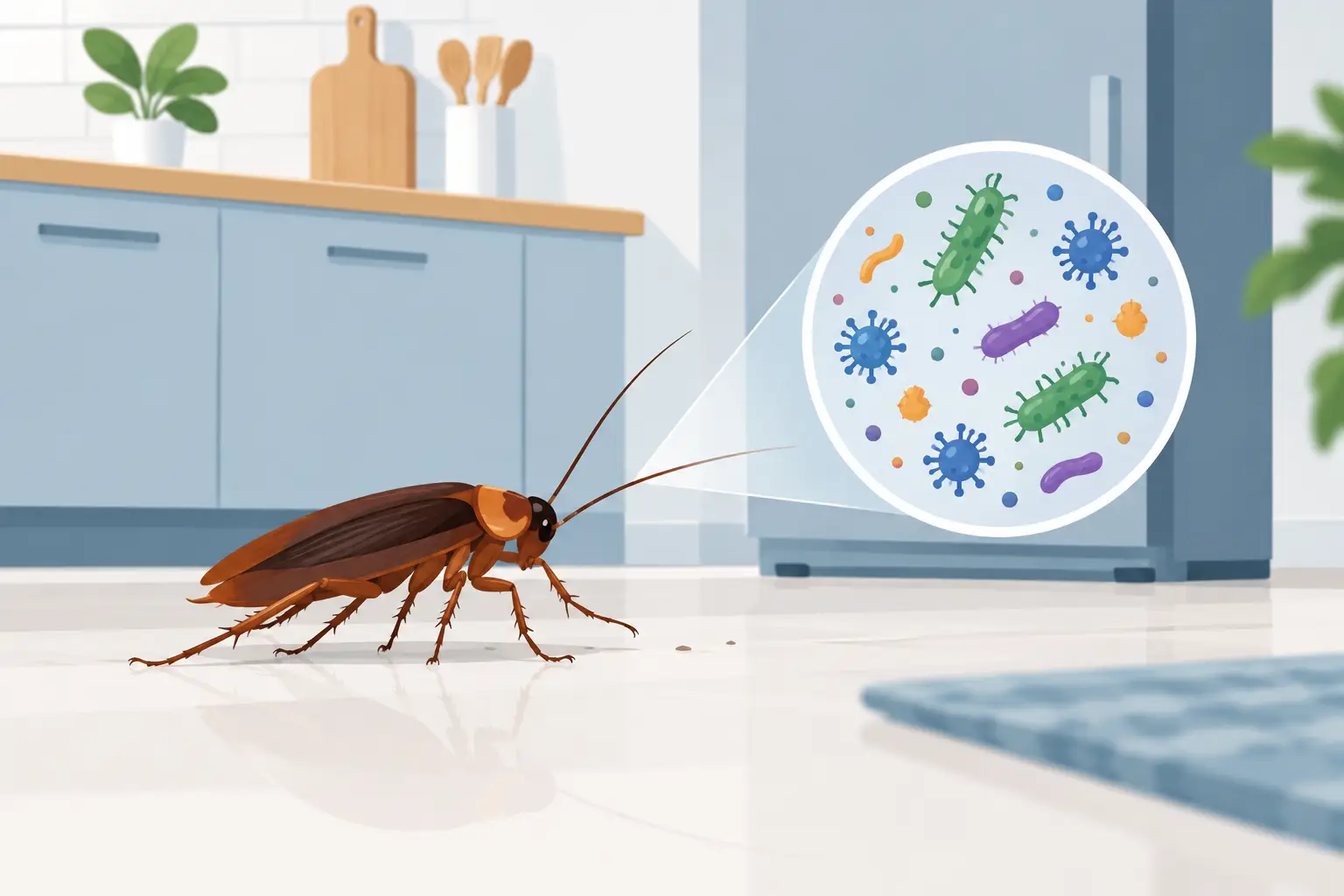
For a food business, pest activity can create a direct contamination risk. For a warehouse, pests can damage packaging, contaminate inventory and compromise stored goods. In offices, schools and strata buildings, an unmanaged infestation can affect occupant wellbeing and lead to complaints. The common thread is that pests must be actively managed, not simply dealt with when they become visible.
A strong program shows that your business has taken reasonable, ongoing steps to identify risks and respond appropriately. That usually means regular inspections, site-specific treatment, service records, monitoring devices where suitable and recommendations to correct the conditions attracting pests.
Why a one-off treatment is rarely enough
A visible cockroach, ant trail or rodent is often only the part of the problem you can see. Pests move through wall voids, ceiling spaces, drains, loading areas, garden edges and shared building services. A single treatment may reduce activity quickly, but it will not necessarily close the entry point, remove the food source or prevent reinfestation.
This matters during inspections and audits. If an issue is found, a business may need to show what action was taken, when it happened and how recurring risk is being managed. Clear service reporting gives facilities managers and business operators a useful record rather than relying on memory after a busy week.
The right service frequency depends on the site. A busy restaurant with deliveries, food waste and warm kitchen equipment may need closer monitoring than a low-traffic office. A warehouse beside vegetation, railway land or industrial lots may have higher rodent pressure, especially as weather changes. A professional inspection should set the schedule based on actual risk, not a generic calendar reminder.
The areas pests exploit first
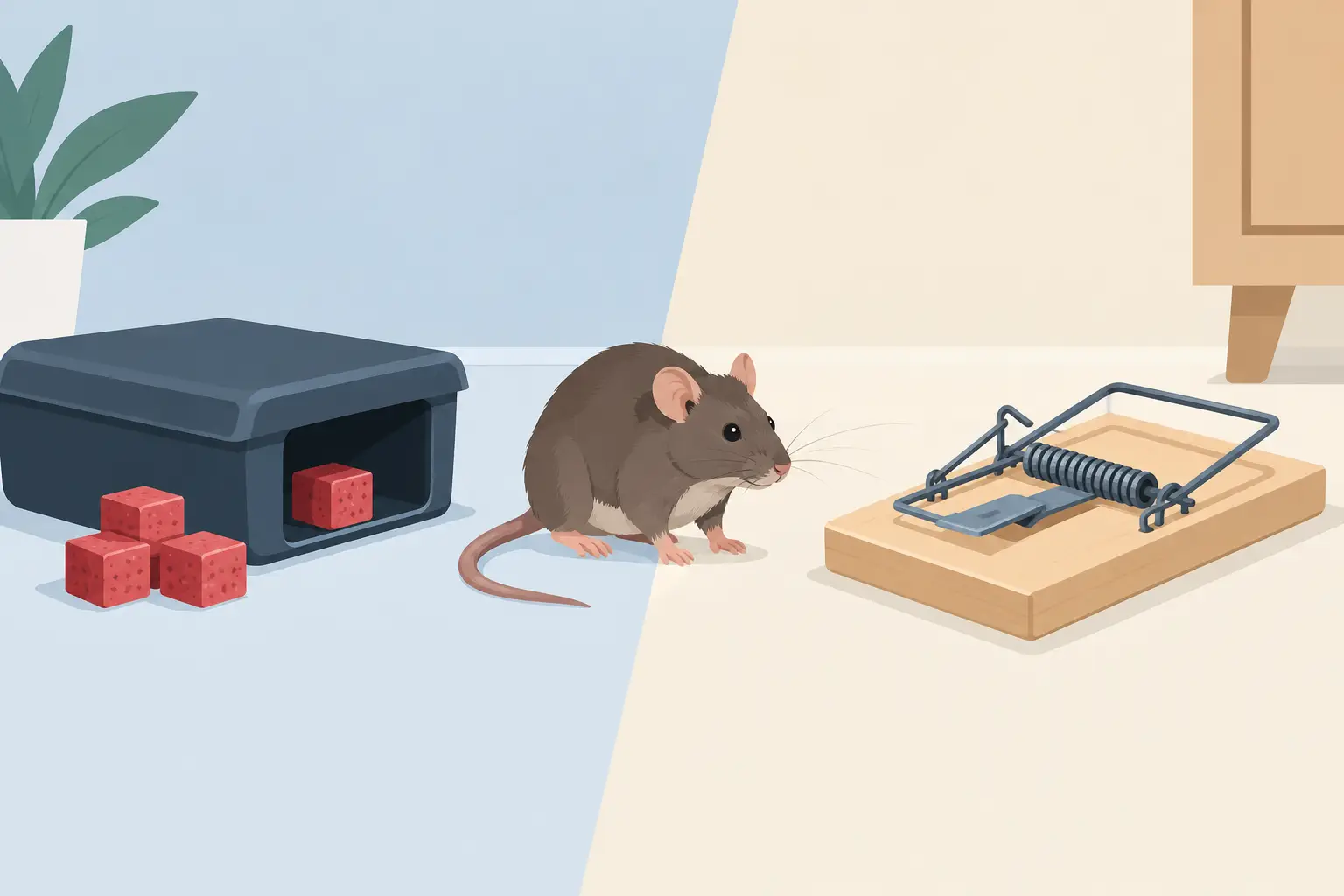
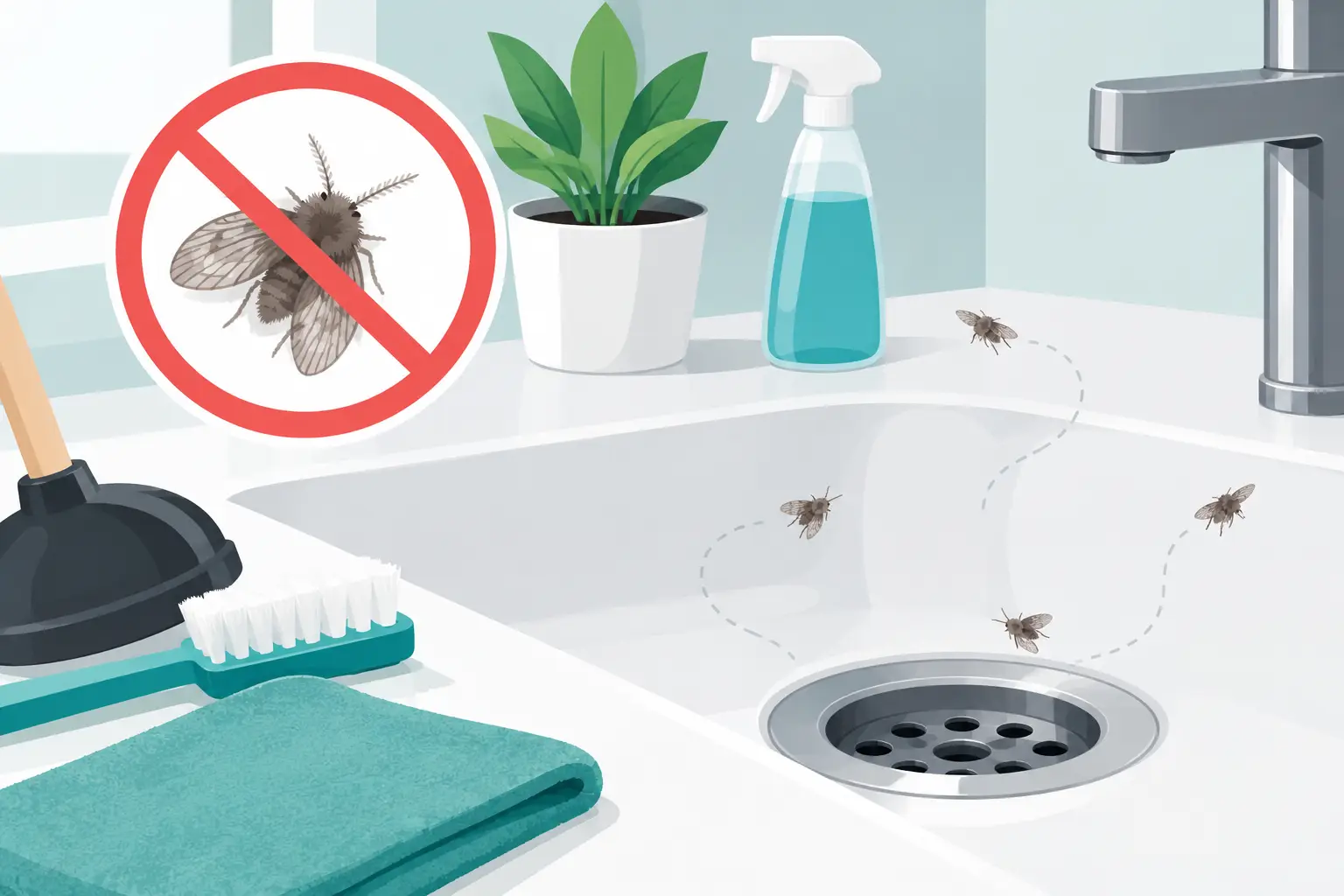
Good hygiene is essential, but clean premises can still have pest problems if access points and moisture issues are ignored. Cockroaches can hide in electrical equipment and cracks near warm appliances. Rodents can enter through surprisingly small gaps around pipes, roller doors and damaged vents. Flies are attracted to waste, drains and unsealed food preparation areas.
During a commercial inspection, the highest-risk areas commonly include kitchens and break rooms, bins and compactors, loading docks, storerooms, roof voids, plant rooms, bathrooms, drains, external perimeters and staff lockers. In multi-tenant buildings, the inspection should also consider shared walls, service penetrations and neighbouring activity. Treating one tenancy without addressing a linked source can lead to repeat issues.
A practical compliance plan should review five areas:
- entry points such as gaps under doors, broken flyscreens, vents and pipe penetrations
- food and water sources, including spills, leaking taps, pet food and poorly stored stock
- waste handling, particularly bin cleanliness, collection timing and external bin placement
- harbourage areas such as clutter, cardboard, dense landscaping and unused equipment
- evidence of activity, including droppings, gnaw marks, grease trails, insect sightings and damaged packaging
These checks help target the cause of pest pressure instead of only treating the symptom.
Commercial hygiene pest compliance needs records
Documentation is one of the most useful parts of a professional pest management program. It gives your team a clear history of findings and actions, while making it easier to respond confidently if a customer, auditor, landlord or regulator raises a concern.
A service report should record the areas inspected, pests identified, treatment completed, monitoring results and recommendations for the site. It should also identify actions your staff or building manager need to take, such as repairing a door seal, moving stock away from walls, cleaning a drain or removing accumulated cardboard.
Records are not a substitute for action. A folder full of reports will not protect a site if recurring recommendations are left unresolved. Assign responsibility for corrective actions, set realistic completion dates and raise ongoing building issues with the owner or strata manager promptly. This is particularly important where pest entry points sit outside your leased area.
Build prevention into daily operations
Your cleaners, kitchen team, warehouse staff and maintenance contractors all play a part in keeping pests out. They do not need to become pest experts, but they should know what to report and who to tell. Early reports of droppings, insect activity, damaged stock or unusual odours give you a better chance of resolving a problem before it grows.
Simple daily habits make a genuine difference. Keep food in sealed containers, clean spills promptly, empty internal bins regularly and avoid leaving rubbish beside external bins. Store stock off the floor where practical and leave enough space near walls for cleaning and inspection. Check that doors close properly, especially around loading areas and back-of-house entrances.
There is a balance to strike. Frequent, heavy cleaning can be effective, but harsh products used incorrectly may damage surfaces or interfere with food-preparation processes. Likewise, blocking every apparent gap without checking ventilation, fire safety or drainage can create another problem. Pest prevention works best when it is coordinated with your hygiene, maintenance and safety procedures.
Choose treatment that fits your premises
Commercial pest treatment should be tailored to the pest, the environment and the people using the site. A food-preparation area, childcare service or medical setting requires particularly careful planning around access, treatment timing and hygiene controls. Warehouses and industrial facilities may need a broader perimeter strategy, rodent monitoring and attention to loading zones.
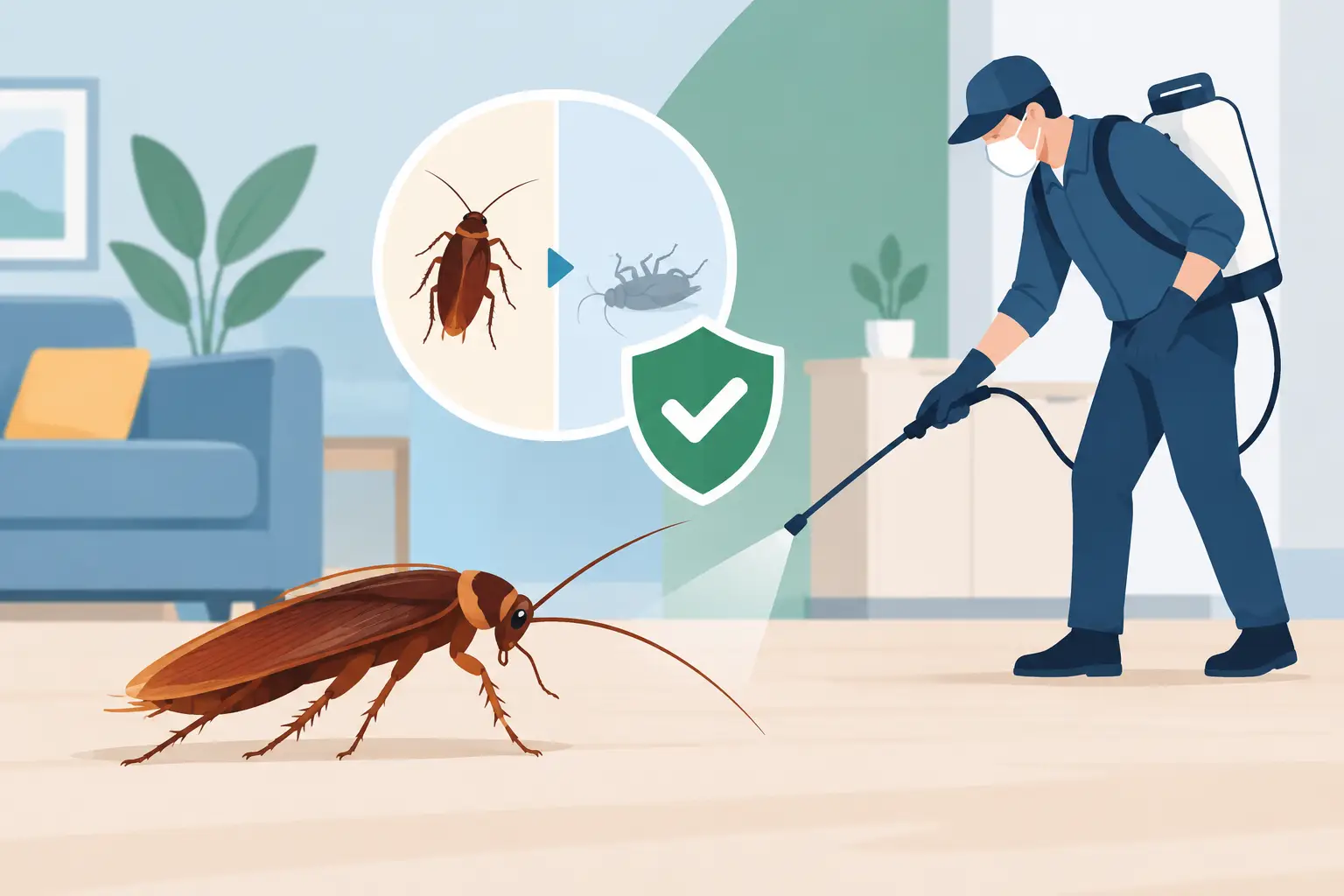
Licensed technicians can identify the pest accurately, assess where it is coming from and select industry-approved methods suited to the site. Depending on the issue, this may involve targeted baiting, monitoring stations, exclusion work, crack-and-crevice treatments or advice on sanitation and storage. The aim is to use the least disruptive effective approach while delivering lasting protection.
Ask what preparation is needed before service and what staff should do afterwards. A clear plan prevents confusion, reduces disruption and helps ensure treatments are applied safely. If your business trades long hours, operates overnight or cannot pause production easily, scheduling and site access need to be considered from the start.
When to arrange an urgent inspection
Do not wait for a scheduled maintenance visit if you see multiple cockroaches during business hours, fresh rodent droppings, gnawed packaging, fly activity around food areas or pests near customer-facing spaces. These signs can point to an established infestation or a hygiene issue that needs fast attention.
Urgent action is also sensible after flooding, building works, a burst pipe, a change in waste arrangements or a nearby construction project. Each can disturb pests and create new entry points. Acting early usually means fewer treatment visits, less operational disruption and a lower risk of stock loss or customer complaints.
For Sydney businesses, Ready Pest Control can assess the source of activity, create a site-specific treatment plan and provide ongoing protection that supports a cleaner, more confident workplace. The best time to strengthen compliance is before an inspection, complaint or infestation forces your hand.