A single cockroach in the kitchen after dark, scratching above the ceiling or ants returning to the same bench each morning can be more than a passing nuisance. A professional pest inspection Sydney property owners can rely on identifies what is happening behind the visible signs, where pests are getting in, and what will stop the problem from returning.
For Sydney homes, strata properties, shops, offices and industrial sites, early inspection is often the difference between a targeted treatment and a larger, more costly infestation. The goal is not simply to spray where pests have been seen. It is to find the source, treat it safely and put practical protection in place.
When Should You Book a Pest Inspection in Sydney?
Book an inspection as soon as you notice repeated activity. Pests are skilled at staying hidden in wall cavities, roof voids, subfloors, storerooms, drains and outdoor harbourage areas. By the time they are regularly appearing in open spaces, there may already be an established nesting, breeding or feeding site nearby.
There are also times when an inspection makes sense before you see a pest. Moving into a new home, preparing a rental property for new tenants, buying a property, opening a food business or taking over a warehouse are all sensible points to assess pest risks. The same applies after storm damage, plumbing leaks, renovations or neighbouring construction, as these changes can create new entry points and disturb pests from their usual hiding places.
For businesses, a planned inspection is part of protecting hygiene standards and avoiding disruption. Rodents in a stockroom, flies around waste areas or cockroaches in staff kitchens can affect operations quickly. Facilities managers benefit from regular checks because issues can be addressed before they become visible to customers, staff or auditors.
What a Proper Pest Inspection Looks For
A useful inspection is methodical. Your technician starts by discussing what you have seen, when it occurs and which rooms or areas are affected. This helps narrow down likely pest species and patterns. For example, German cockroaches commonly stay close to warmth, moisture and food in kitchens, while roof rats may travel through ceilings, wall cavities and trees that overhang the building.
The inspection then looks beyond the obvious areas. Depending on the property and concern, this can include internal rooms, cupboards, skirting boards, roof voids, subfloors, garages, gardens, bin areas, external walls, drainage points, fence lines and service penetrations. Licensed technicians look for live pests, droppings, nesting material, chew marks, grease trails, webbing, eggs, moisture problems and gaps that allow entry.
The findings matter because pest activity can be misleading. Ants may be entering through one small gap but nesting outside under paving. A spider problem may be linked to heavy garden growth and a supply of smaller insects. Bed bugs are not a cleanliness issue, but they do require careful inspection of beds, furniture, luggage areas and nearby cracks before treatment begins.
A thorough inspection should give you clear answers: what pest is present, how serious the activity appears, where the likely source is, and which treatment and prevention steps are suitable for your site.
Why a Visible Pest Is Not the Whole Problem
A can of supermarket spray may kill a pest on contact, but it rarely resolves the conditions that allowed it inside. This is especially true for cockroaches, rodents, ants, bed bugs and termites, where nests, harbourage and travel routes can be away from the place you first noticed activity.
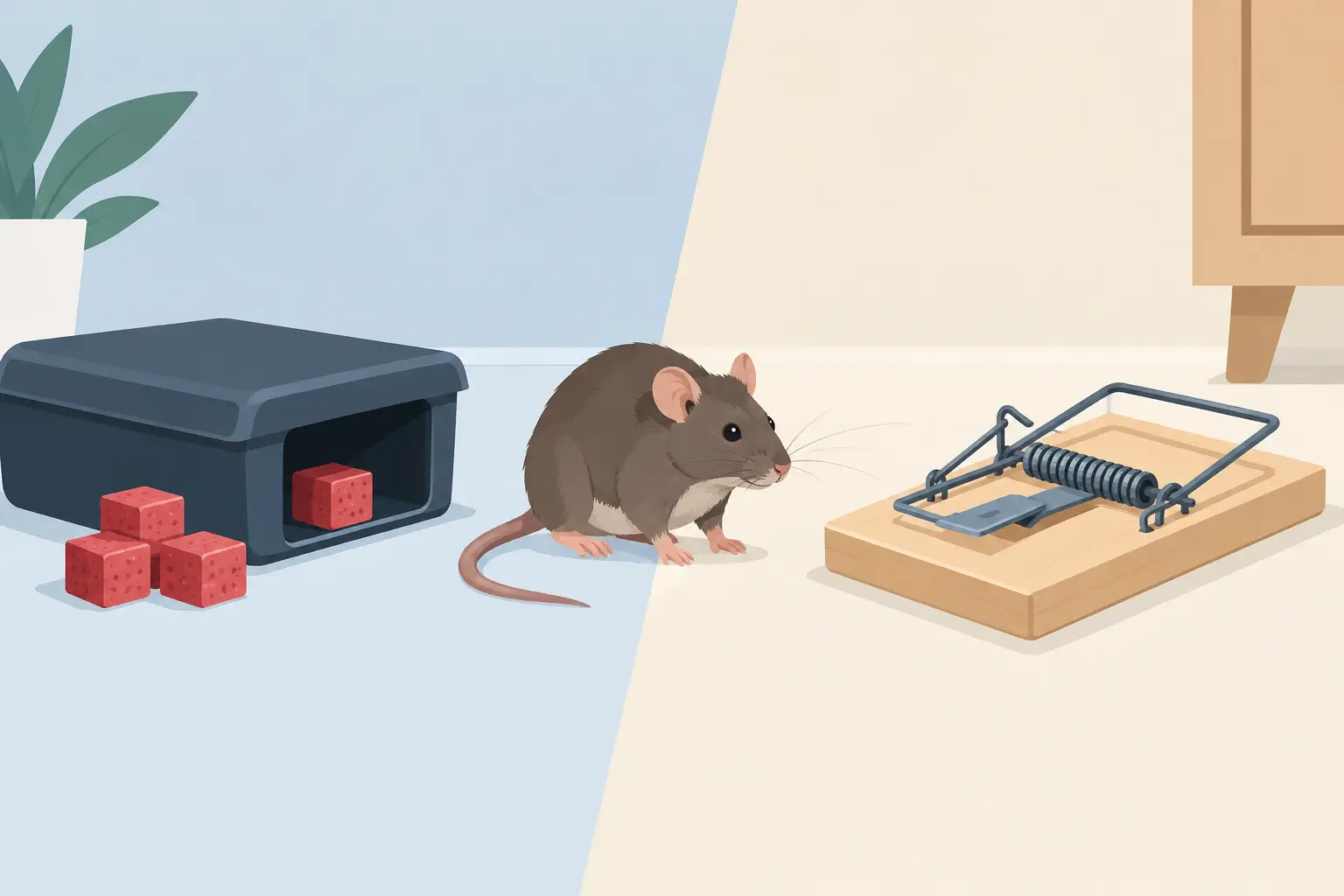
Rodents are a good example. Seeing one mouse can mean there are more using the same entry route, food source and nesting space. Treating only the visible rodent without checking roof gaps, door seals, rubbish storage and internal access points leaves the property exposed.
There is a trade-off with every treatment decision. A small, isolated spider issue may only need an external treatment and advice on reducing harbourage. Recurring cockroach activity in an apartment block may require treatment within the unit, attention to shared service areas and coordination with strata. Larger sites may need a scheduled program with monitoring and documented follow-up. The right response depends on the pest, property layout, level of activity and how quickly the issue needs to be controlled.
From Inspection to Long-Term Protection
At Ready Pest Control, the service follows a clear four-step process: inspection, plan, treatment and protection. This creates a practical path from uncertainty to control rather than relying on a one-off reactive spray.
1. Identify the pest and the cause
The technician confirms the likely pest and assesses the environment supporting it. Food spills, leaking pipes, poorly sealed doors, cluttered storage, garden debris and access gaps can all contribute. Identifying these factors helps prevent the same infestation from taking hold again.
2. Build a treatment plan for the property
Treatment should match the site. A family home with children and pets has different needs from a café kitchen, childcare facility, unit complex or industrial warehouse. Your plan may include targeted residual treatments, baits, traps, exclusion work, monitoring stations or exterior perimeter treatment, using industry-approved methods suited to the pest risk.
A good provider will explain where treatments are being applied, what preparation is needed and whether you need to stay out of particular areas for a period. If follow-up is required, that should be clear from the start.
3. Treat active pest areas carefully
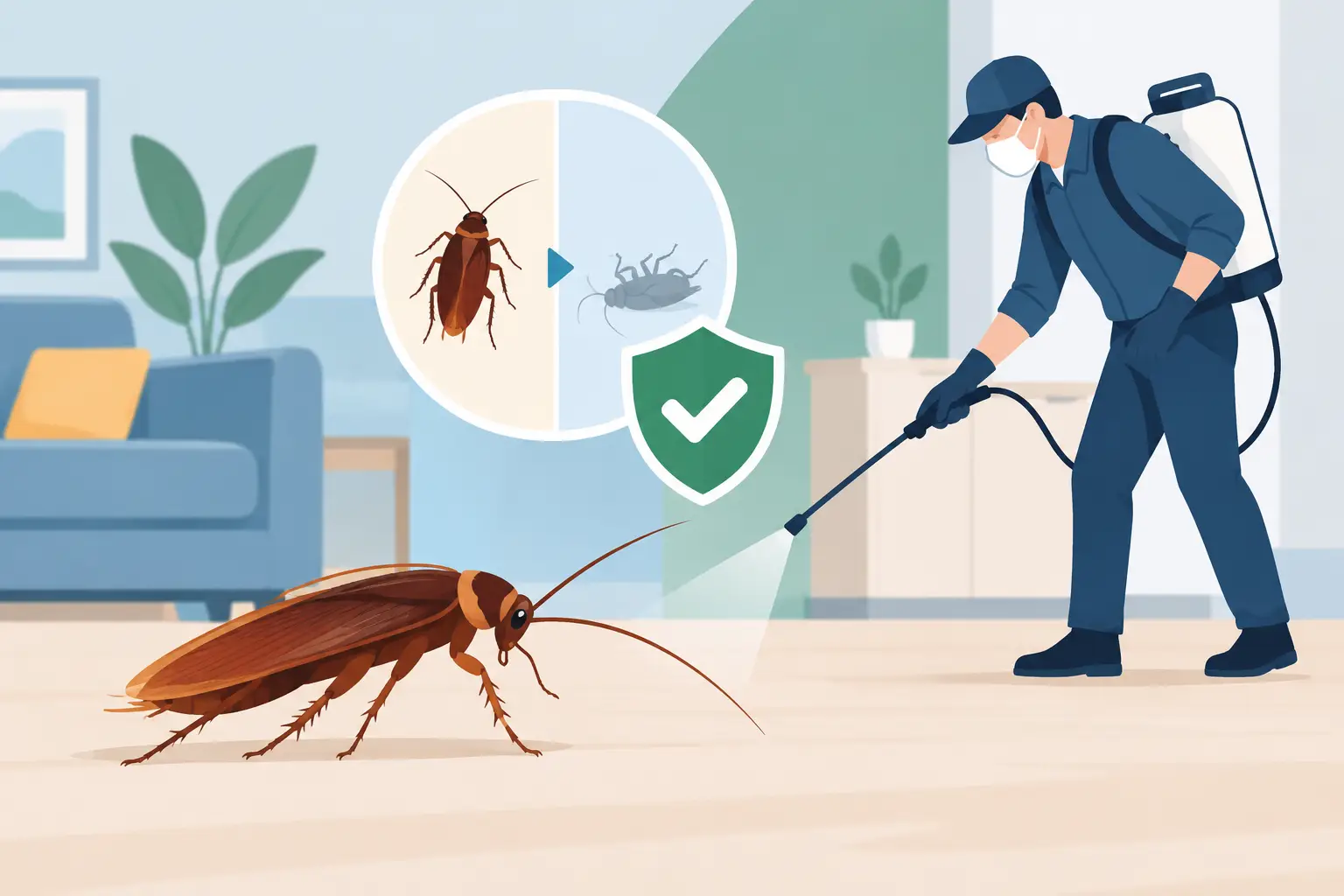
Professional treatment focuses on the places pests hide, breed and travel. This makes it more effective than treating only open surfaces. Licensed technicians use products and application methods with safety in mind, following label directions and site-specific requirements.
For households, that means clear guidance around children, pets, fish tanks, food preparation surfaces and outdoor entertaining areas. For commercial and industrial sites, it means treatment planning that respects operating hours, staff movement, stock, equipment and compliance needs.
4. Reduce the chance of repeat activity
Protection is where lasting results are built. Your technician may recommend sealing gaps around pipes and doors, trimming vegetation away from walls, repairing leaks, improving food storage or changing rubbish management. These measures are not a substitute for treatment when an infestation is active, but they make future pest pressure far easier to manage.
Some properties benefit from preventive maintenance. Sydney’s warm weather, coastal humidity and dense housing can support pest activity for much of the year. Regular service is particularly worthwhile for food premises, rentals, high-traffic businesses, older homes, properties near bushland and sites with a history of rodents or cockroaches.
How to Prepare for an Inspection
You do not need to clean your property from top to bottom before an inspection. In fact, avoid removing evidence such as droppings, nests or dead insects before the technician arrives, if practical. These signs can help establish the pest type and activity level.
Make key areas accessible where you can. Clear a path to the kitchen, laundry, garage, roof manhole, bins and any room where activity has been noticed. If you have seen pests at particular times, take a photo or make a note of the location. For businesses, have site records, recent pest sightings and any previous treatment details available.
If you are concerned about pets, young children, allergies or sensitive equipment, raise it during booking and again with the technician. A professional plan should account for these details rather than treating every property the same way.
Questions Worth Asking Before You Proceed
Before approving treatment, ask whether the pest has been identified, what areas will be treated, whether a return visit is expected and what you can do to reduce repeat activity. You should also understand the warranty terms, where applicable, and whether the recommendation covers the source of the issue or only immediate visible activity.
Price matters, but the cheapest service is not always the best value if it leaves entry points, nesting sites or recurring conditions untouched. A transparent quote should reflect the pest involved, size and type of property, treatment complexity and any follow-up protection required.
Pests do not usually wait for a convenient time to become a problem. If activity is repeating, damage is visible or your home or workplace no longer feels protected, arranging an inspection now gives you the clearest next step and a safer path back to pest-free living.