A cockroach seen in the kitchen at night, a trail of ants near the sink or fresh rodent droppings in the storeroom are rarely one-off events. The right pest treatment frequency stops a small issue from becoming an established infestation, while avoiding unnecessary treatments. For Sydney homes and businesses, the answer depends on the pest, the property and the conditions around it.
A quality pest program is not simply a spray applied on a fixed timetable. It starts with finding where pests are entering, feeding, breeding or sheltering. From there, treatment and prevention can be matched to the real risk. That is how long-term protection is built.
Pest treatment frequency for Sydney properties
For many Sydney homes, an annual general pest treatment is a sensible baseline. It can protect against common crawling pests such as cockroaches, ants and spiders, especially when treatment includes key internal areas as well as external walls, entry points, garden edges, garages and subfloors where appropriate.
However, yearly treatment is not a universal rule. Some properties need attention every six months, while others require targeted follow-ups over several weeks to resolve an active infestation. Commercial kitchens, food premises, warehouses, strata buildings and industrial sites often need scheduled servicing every month, every two months or every quarter because pest pressure and compliance expectations are higher.
The right schedule should reflect what is happening at your property, not a one-size-fits-all package.
A yearly service suits lower-risk homes
A once-yearly preventive treatment may suit a well-maintained home with no current infestation, limited pest history and good control of food, rubbish and moisture. It is particularly useful before warmer weather, when cockroaches, ants, flies, mosquitoes and spiders become more active.
This approach works best when it is supported by basic prevention between visits. Keep food in sealed containers, clean crumbs and grease from kitchen areas, repair dripping taps, manage garden clutter and make sure external doors and screens close properly. Treatment provides a protective barrier, but everyday conditions still influence whether pests return.
Six-monthly protection can be worthwhile
Twice-yearly treatment is often a better fit for homes with recurring cockroaches, ants or spiders, properties near bushland or waterways, and houses with active outdoor entertaining areas. It can also help where pets, young children or frequent visitors mean you want to reduce the chance of pests becoming noticeable indoors.
Older homes can benefit from this frequency too. Gaps around plumbing, weathered seals, subfloor access and roof voids may create more opportunities for pests to enter. An inspection identifies these pressure points so they can be addressed alongside treatment.
Active infestations need follow-up, not patience
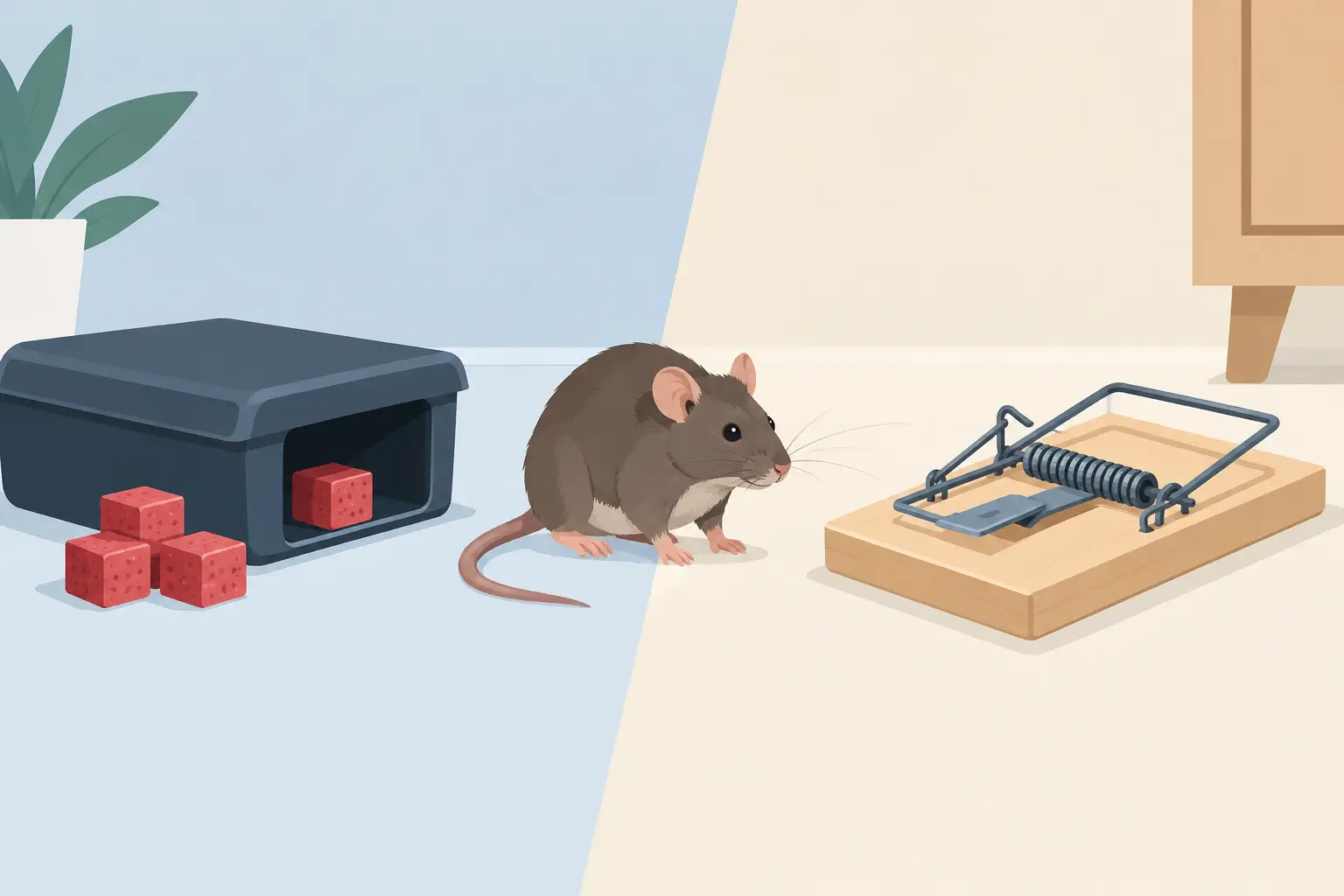
When pests are already established, waiting six or 12 months is not a treatment plan. Bed bugs, German cockroaches, rodents and certain ant species commonly need follow-up visits because eggs may hatch after the first treatment, hidden harbourage areas may be difficult to reach, or activity may need to be monitored before it is confirmed as resolved.
For example, rodent control may involve an initial inspection and treatment followed by a return visit to check bait stations, remove activity and identify new entry points. Bed bug work usually requires carefully timed follow-ups, along with preparation and laundering guidance, to break the life cycle. The frequency is determined by inspection findings and the pest’s behaviour, not guesswork.
What changes the frequency of pest treatment?
Several factors can move a property from annual prevention to more regular servicing. The first is pest type. Cockroaches can breed quickly and hide in tight spaces around appliances, cupboards and wall voids. Rodents are persistent if food sources and entry points remain available. Termite management follows a separate inspection and protection schedule due to the potential for concealed timber damage.
The second factor is the property itself. Apartments may experience pest movement through shared walls, service ducts and common areas, even when one resident keeps their unit spotless. Homes with large gardens, compost, chicken coops, outdoor pet feeding or dense vegetation against the building can attract more pest activity. Commercial premises may face deliveries, waste storage, staff kitchens and high foot traffic every day.
Weather matters as well. Sydney’s warm, humid periods can increase insect activity, while heavy rain may push cockroaches, ants and rodents inside seeking drier shelter. A sudden change in pest activity after rain or a heatwave is a practical reason to book an inspection rather than wait for the next planned service.
Signs you should book treatment sooner
Do not rely only on seeing a live pest. Many pests stay hidden until numbers have increased. Fresh droppings, gnaw marks, unusual odours, damaged packaging, grease trails, insect skins and small holes around pipes can all point to a developing issue.
For businesses, one sighting can be enough to act. A cockroach near food preparation, flies around waste areas or rodent evidence in a stockroom can affect hygiene, staff confidence and customer trust. Regular monitoring helps catch activity before it disrupts operations.
Book a professional assessment sooner if you notice repeated sightings, pests in daytime, activity in several rooms, bites that may be linked to bed bugs, noises in the roof or walls, or pest activity returning shortly after a do-it-yourself product. These signs suggest the source has not been dealt with.
Why more treatment is not always better
It is understandable to want the strongest or most frequent possible treatment when pests appear. Yet repeated blanket spraying without inspection can miss the cause of the problem. It may also provide short-lived results if cracks, leaks, food sources or external harbourage are left unchanged.
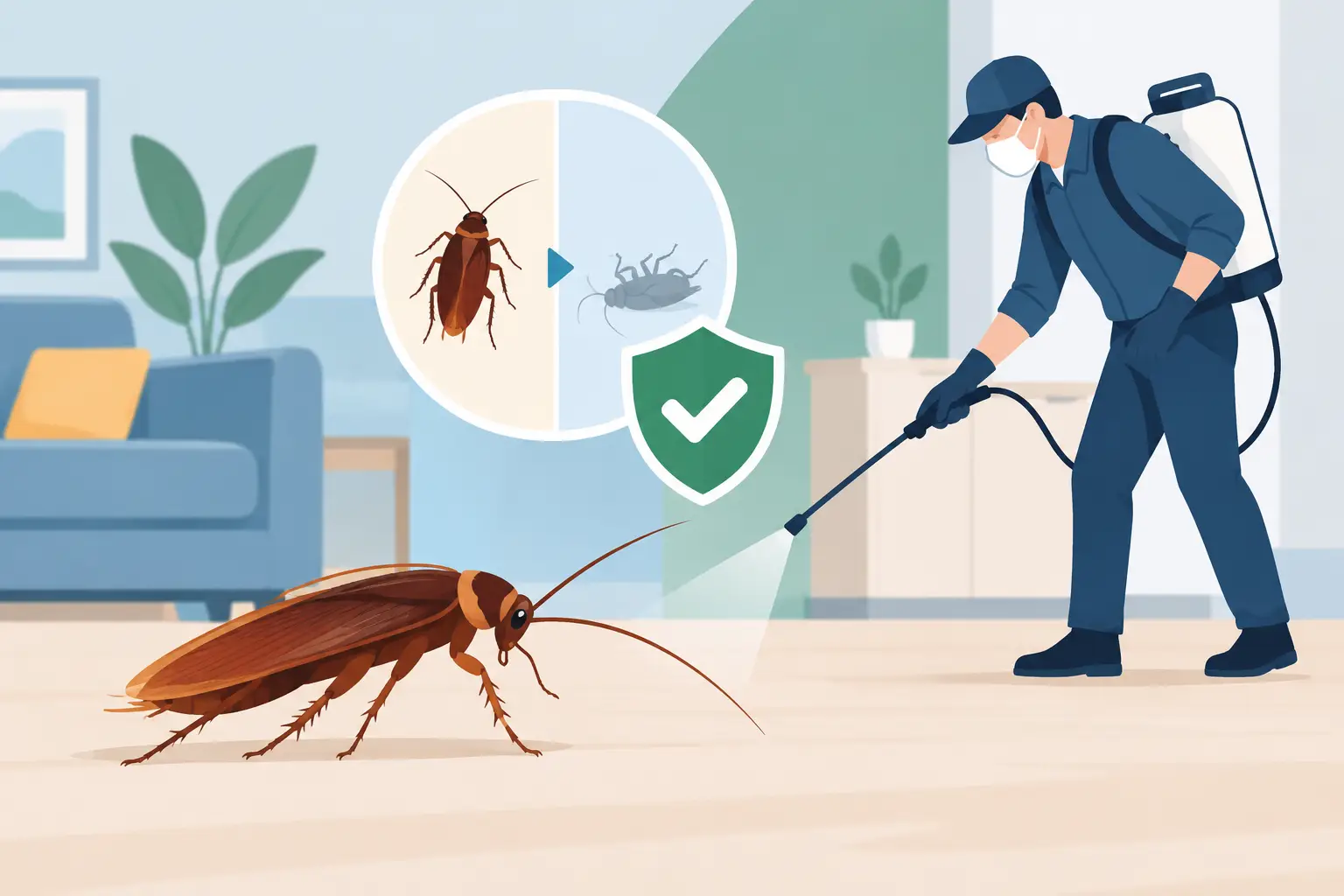
A more effective approach combines targeted, industry-approved treatments with practical exclusion and sanitation measures. Licensed technicians can select methods that suit the pest, location and level of activity, with consideration for children, pets, staff and sensitive areas. This may include gel baits, dusts, targeted residual treatments, traps, monitoring devices or exterior perimeter work rather than treating every surface the same way.
There is a trade-off with any program. Less frequent service may cost less in the short term but leave a high-risk property exposed for longer. More frequent servicing can offer stronger monitoring and prevention, though it should be based on genuine risk and clearly explained. A transparent plan tells you what is being treated, why it is needed and when a follow-up is recommended.
Commercial pest programs need a set schedule
For commercial and industrial sites, pest management is part of protecting premises, stock and reputation. Restaurants, cafés, strata properties, childcare settings, offices, warehouses and manufacturing facilities all have different risks, but reactive call-outs alone can become costly and disruptive.
A scheduled program usually begins with a detailed inspection, a site-specific treatment plan and documented monitoring points. High-risk food and waste areas may need monthly attention, while a lower-risk office may be suited to quarterly visits. The service record should show findings, treatments, recommendations and any corrective actions required from site management.
Ready Pest Control builds programs around this inspection-plan-treatment-protection process, so frequency can be adjusted as conditions change. If activity falls and preventive measures are working, the schedule may be reviewed. If seasonal pressure or a nearby construction project increases pest movement, servicing can be increased before the issue grows.
Making your treatment last between visits
Professional treatment works best when the property supports it. After a service, follow any preparation and re-entry instructions provided by your technician. Avoid washing treated surfaces too soon where this has been advised, and report new sightings with details about where and when they occurred.
Keep bins sealed, remove standing water, store stock and food off the floor where possible, trim vegetation away from exterior walls and seal gaps around pipes, vents and doors. For renters and apartment residents, report building maintenance issues such as leaks, broken seals or gaps in common areas promptly. These small actions can significantly reduce the frequency of reactive treatments.
The most useful question is not, “How often should I spray?” It is, “What level of protection does this property need right now?” A professional inspection gives you a clear answer and a practical path to keeping pests from taking over your space.