A few flies around an open door can be normal in a Sydney summer. Flies gathering around bins, circling food areas, appearing from drains or returning every day are a different matter. Effective fly management starts by finding where flies are feeding and breeding, then treating the source and protecting the property from the next cycle.
For homes, flies quickly make kitchens, patios and rubbish areas unpleasant. For cafés, warehouses, strata properties and industrial sites, they can also create hygiene concerns, customer complaints and operational risk. A surface spray may reduce visible activity for a short time, but it will not solve a breeding site hidden in a bin enclosure, drain, grease trap or external waste area.
Why flies keep returning
Flies need three things: food, moisture and a suitable place to lay eggs. Sydney properties often provide all three, particularly during warm and humid weather. Organic waste, pet droppings, lawn clippings, food spills and standing water can support fly activity surprisingly quickly.
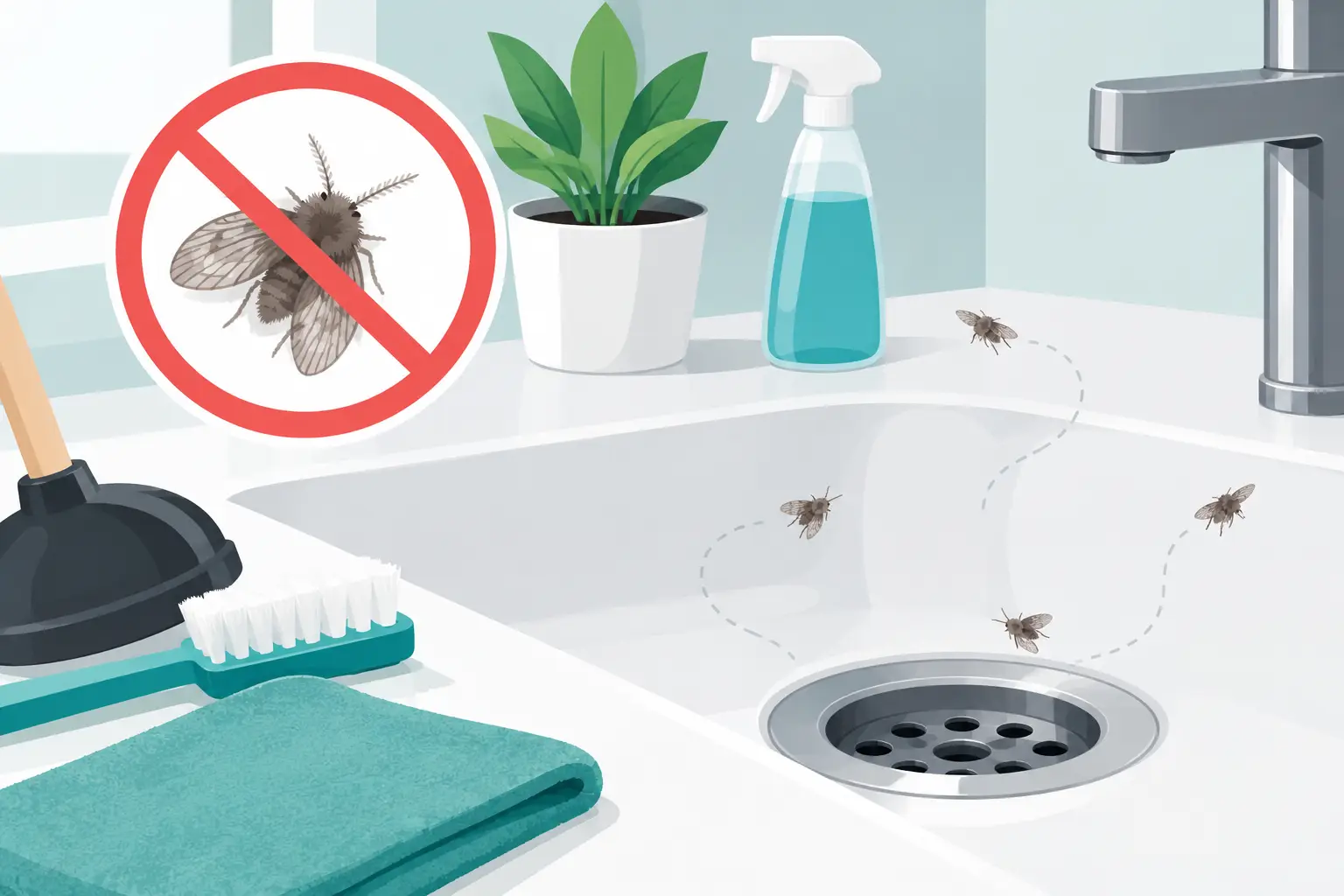
Common house flies and blowflies are often drawn to rubbish, animal waste and decaying material. Fruit flies are more likely to appear around overripe produce, recycling containers and sticky spills. Drain flies breed in the organic film that builds inside slow or rarely used drains. Identifying the fly type helps determine where the real issue is likely to be.
This is why a fly problem can seem to return overnight after cleaning. Adult flies may be entering from outside, while eggs and larvae are developing nearby. In warm conditions, the life cycle can move quickly. Killing adult flies without removing breeding material only interrupts part of the problem.
Fly management begins with a proper inspection
A professional inspection looks beyond the room where flies are most visible. Licensed technicians check internal and external areas that can support an infestation, including kitchen bins, recycling, drains, pet areas, roof voids, gardens, loading zones, grease traps and shared waste rooms.
At a home, the inspection may reveal a missed food source behind an appliance, a leaking bin, dog waste in the yard or flies entering through damaged flyscreens. At a business, the issue may involve bin collection schedules, waste storage, floor drains, food handling practices or gaps around delivery doors.
The right treatment depends on what is found. A small fruit fly issue in a kitchen needs a different response from persistent blowflies around a commercial waste enclosure. This tailored approach avoids unnecessary treatment and focuses effort where it will have the greatest effect.
What a targeted treatment plan can include
A complete fly treatment is designed around the property, the fly species, the level of activity and the risks on site. It may include targeted applications to known resting and breeding areas, as well as practical exclusion and sanitation recommendations.
For outdoor fly pressure, treatment may focus on bin surrounds, wall surfaces where flies rest, entry points and other high-activity zones. Indoors, technicians may treat approved areas where needed while helping identify the conditions allowing flies to persist. Drain treatments can be appropriate where drain flies are breeding, but the drain also needs to be cleaned properly so the organic build-up is removed.
In some commercial settings, fly control units and monitoring may form part of an ongoing program. Their position matters. A poorly placed unit can draw flies closer to a food preparation or customer area rather than away from it. Facilities with regular waste, deliveries or food handling often benefit from scheduled servicing, especially through warmer months.
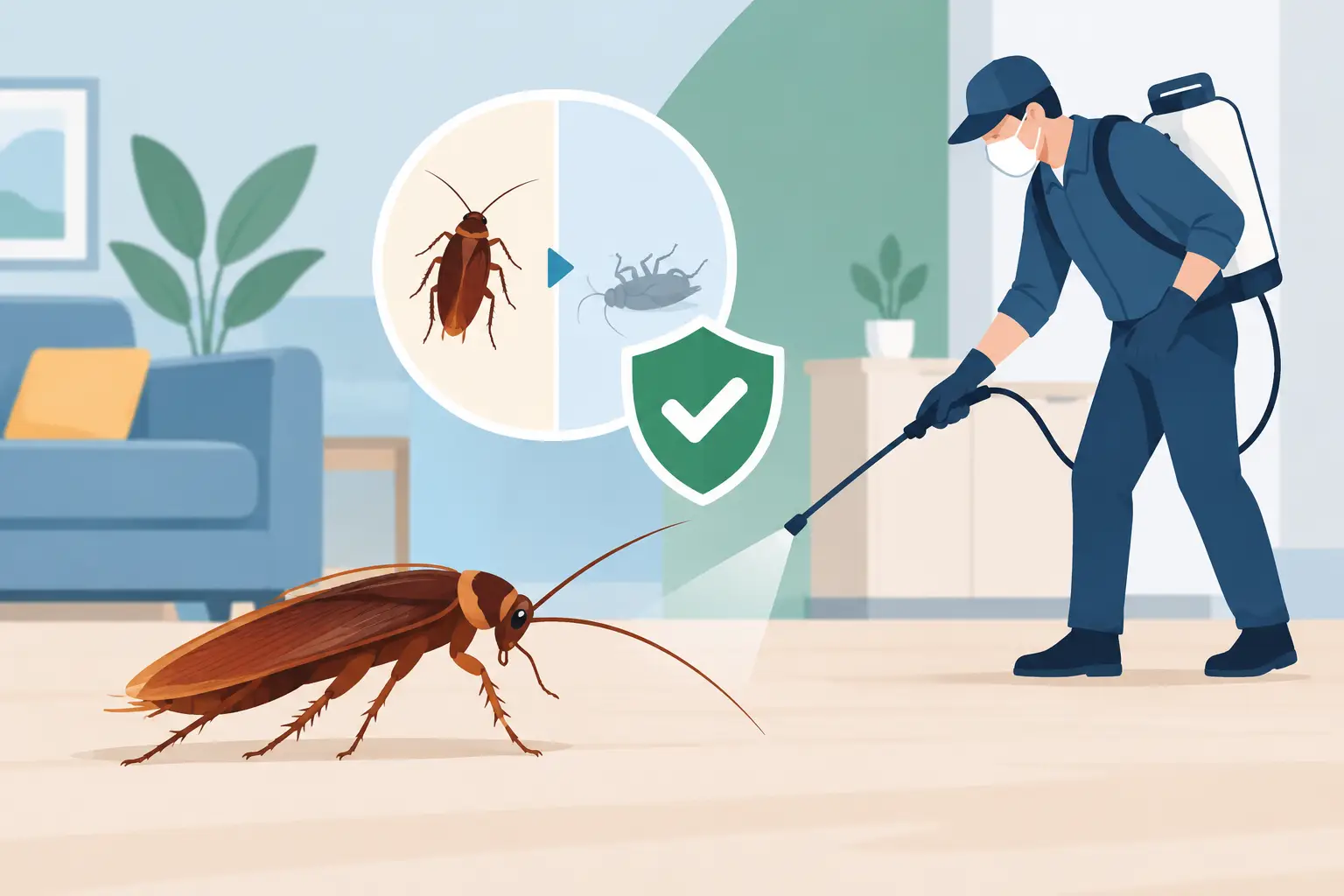
Ready Pest Control uses a four-step process: inspection, plan, treatment and protection. It is designed to address the immediate fly activity while reducing the conditions that cause repeat problems.
Practical steps that reduce fly activity
Professional treatment works best alongside good site habits. These steps are simple, but consistency matters when flies are breeding nearby:
- Keep indoor and outdoor bins closed, lined and cleaned regularly. Rinse food containers before placing them in recycling.
- Remove pet droppings from lawns and outdoor areas promptly, particularly in warm weather.
- Store ripe fruit in the fridge where practical and wipe benches, splashbacks and appliance areas after food preparation.
- Clean drains and floor wastes to remove slime and organic residue. Do not rely on hot water alone for persistent drain fly activity.
- Fix leaking taps, blocked drains and pooling water around outdoor areas, air-conditioning units or wash-down zones.
- Repair damaged flyscreens, door seals and gaps around service entries. Keep doors shut where possible, or use appropriate barriers at busy commercial entrances.
These measures are not a replacement for treatment when fly numbers are already high. They help remove the resources flies depend on, making professional control more effective and longer lasting.
Homes, apartments and shared waste areas
Apartment residents can be affected by fly problems even when their own unit is clean. Shared rubbish rooms, chutes, bin bays and neighbouring balconies may attract flies that then enter through windows, vents or open doors. In these cases, the body corporate, property manager or building manager may need to organise treatment of common areas as well as individual units.
For homeowners, outdoor entertaining spaces are often where the problem becomes obvious. A bin stored close to a patio, an uncovered compost system or pet waste near a back door can create ongoing pressure. Moving the source further from living areas, improving bin hygiene and treating active zones can make a noticeable difference.
Families with children and pets understandably want to know how treatment will affect daily life. A qualified technician will explain which areas need to be avoided, for how long, and any preparation or ventilation requirements. The treatment method should suit the location and the level of risk, rather than applying the same product everywhere.
Fly control for Sydney businesses
Businesses cannot afford to treat flies as a minor annoyance. A single fly near a counter, dining area or production line can affect customer confidence. Repeated activity can point to a sanitation, waste handling or building-entry issue that needs prompt attention.
Restaurants, cafés and food premises need close attention to bins, grease areas, floor drains, storage rooms and delivery entrances. Warehouses and factories may need fly management around lunchrooms, amenities, loading docks, compactors and external waste storage. Medical, childcare and aged-care environments require careful planning around occupant safety and hygiene procedures.
The best commercial programs combine treatment with regular inspections and clear reporting. If activity rises, the plan can be adjusted before a small issue becomes a recurring operational problem. This is particularly valuable for sites with changing waste volumes, seasonal demand or multiple tenants.
When to call a professional
Arrange an inspection if flies continue after cleaning, if you see maggots in bins or near waste areas, or if flies are appearing from drains, wall cavities or roof spaces. A sudden increase in blowflies may indicate a dead animal in a roof void, subfloor or wall cavity. That source needs to be located and removed, not simply sprayed around.
Commercial operators should act early when flies are visible in customer-facing areas, food handling spaces or staff facilities. Early action is usually simpler and less disruptive than dealing with a widespread issue after flies have established breeding sites.
A reliable fly management plan does more than clear the flies you can see. It identifies what is attracting them, treats active areas carefully and gives you practical protection between services. If flies are taking over your home or workplace, addressing the source now can keep the space cleaner, safer and more comfortable through the season.