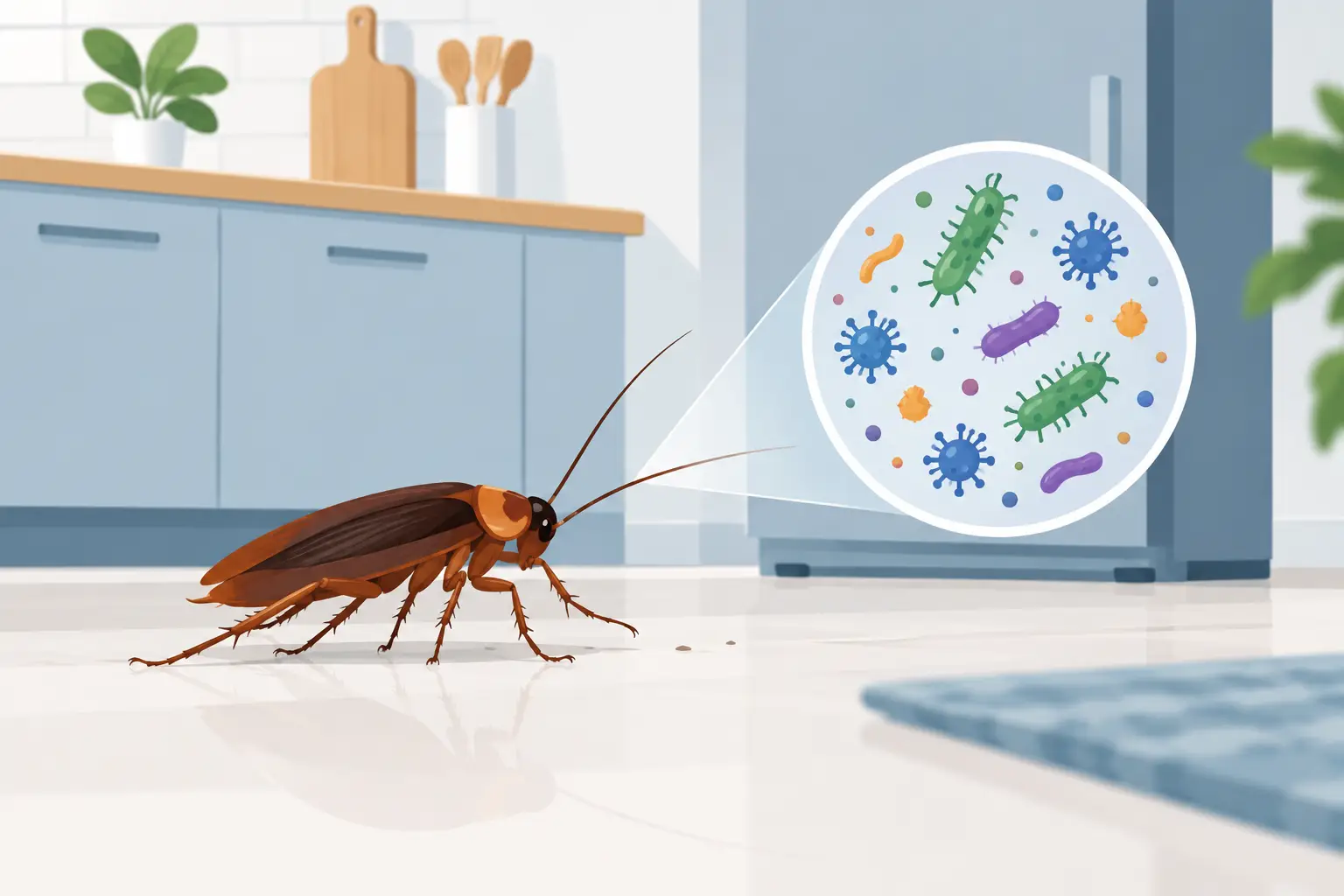
A cockroach spotted at night is rarely just an isolated visitor. Cockroaches are drawn to food, moisture and shelter, and they can quickly establish themselves in kitchens, bathrooms, roof voids, garages and commercial storerooms. To prevent cockroach infestations, the key is to remove what attracts them, block the routes they use to enter and act early when signs appear.
Sydney properties face cockroach pressure throughout the year, particularly during warm, humid weather. German cockroaches often spread through kitchens, appliances and apartment buildings, while larger Australian and American cockroaches may enter from drains, gardens, subfloors and external gaps. A practical prevention routine protects your household, tenants, customers and staff before a small issue becomes a difficult infestation.
Start with the food cockroaches can find
Cockroaches do not need an obvious mess to survive. A few crumbs beneath the toaster, grease around a cooktop, pet food left overnight or an unsealed pantry item can provide enough food for a population to grow. They are also highly adaptable, feeding on cardboard, glue, paper and organic waste when easier food sources are unavailable.
Clean food-preparation areas after use, especially around the cooktop, oven, microwave and beneath small appliances. Wipe benches, sweep or vacuum floors, and deal with spills promptly. Store dry goods in sealed containers rather than leaving opened packets in cupboards. Fruit is best kept in the fridge during periods of high cockroach activity.
Rubbish deserves the same attention. Use bins with close-fitting lids, empty indoor rubbish regularly and rinse recyclable containers before placing them in the recycling bin. For businesses, rubbish storage areas need scheduled cleaning and bins should be positioned away from doors where practical. Overflowing bins and greasy waste areas can attract cockroaches from well beyond the property boundary.
Pet bowls are another common oversight. Do not leave food down overnight, and clean bowls and feeding mats regularly. Water bowls may need to remain available, but keeping the surrounding area dry and clean reduces the appeal of the space.
Remove moisture and hiding places
Cockroaches need water just as much as food. That is why they are frequently found under sinks, behind dishwashers, around laundry plumbing and inside bathrooms. A slow leak can support cockroach activity even in an otherwise tidy home.
Check under sinks and behind appliances for dripping pipes, damp cabinetry or signs of mould. Repair leaks as soon as possible, dry wet areas after use and make sure bathrooms and laundries have suitable ventilation. Do not leave wet dishcloths, mops or sponges in a pile overnight. In commercial kitchens, floor drains, grease traps and wash-up areas need consistent cleaning and maintenance.
Clutter creates sheltered harbourage where cockroaches can hide during the day. Cardboard cartons, paper bags and rarely moved storage items are especially attractive. Move delivered goods out of cardboard packaging where possible, particularly in apartments, restaurants, warehouses and office kitchens. Store items off the floor and leave enough room around shelves and equipment for cleaning and inspection.
This does not mean every garage or storeroom must be bare. It means stored goods should be organised, dry and easy to access. Regularly disturbed, clean storage spaces are far less welcoming to cockroaches than dark, packed corners.
Seal the entry points that let cockroaches in
Good housekeeping lowers the risk, but cockroaches can still enter from outside or move between connected dwellings. Sealing gaps is one of the most effective long-term ways to prevent cockroach infestations.
Inspect around external doors, windows, pipes, vents and air-conditioning lines. Fit door seals where there is visible clearance beneath an external door, repair torn flyscreens and seal gaps around plumbing penetrations with suitable materials. Cover drains with properly fitted grates and make sure drain covers are in place when not in use.
In units and townhouses, cockroaches may travel through shared wall voids, service risers and plumbing lines. Residents can reduce risk inside their own property, but building-wide maintenance may be needed when activity is coming from neighbouring units or common areas. Facilities managers should include service penetrations, bin rooms, plant rooms, loading areas and shared kitchens in regular inspections.
Outdoor areas also matter. Keep leaf litter, timber, stacked pots and dense vegetation away from the building where possible. These areas can harbour larger cockroach species, which may then find their way inside through cracks, weep holes or open doors. Avoid storing firewood against the home, and check outdoor furniture and pots before bringing them indoors.
Inspect the places cockroaches prefer
Cockroaches are usually active at night and avoid open areas, so the first signs can be easy to miss. Look for small dark droppings that resemble pepper or coffee grounds, shed skins, egg cases, a musty smell, or cockroaches scattering when a kitchen light is switched on.
Pay close attention to warm, hidden areas. The motor compartment behind a fridge, gaps beside an oven, the cupboard under the sink, pantry hinges, dishwasher cavities and the laundry are all common harbourage points. German cockroaches are particularly good at hiding near heat and moisture, sometimes in very narrow cracks around appliances.
A torch inspection every few weeks is useful in higher-risk spaces. For commercial premises, routine checks should be part of the cleaning and maintenance schedule. Kitchens, staff lunchrooms, stock rooms and delivery areas all deserve attention, as cockroaches can be carried in with cartons, supplies and second-hand equipment.
Be careful with DIY sprays
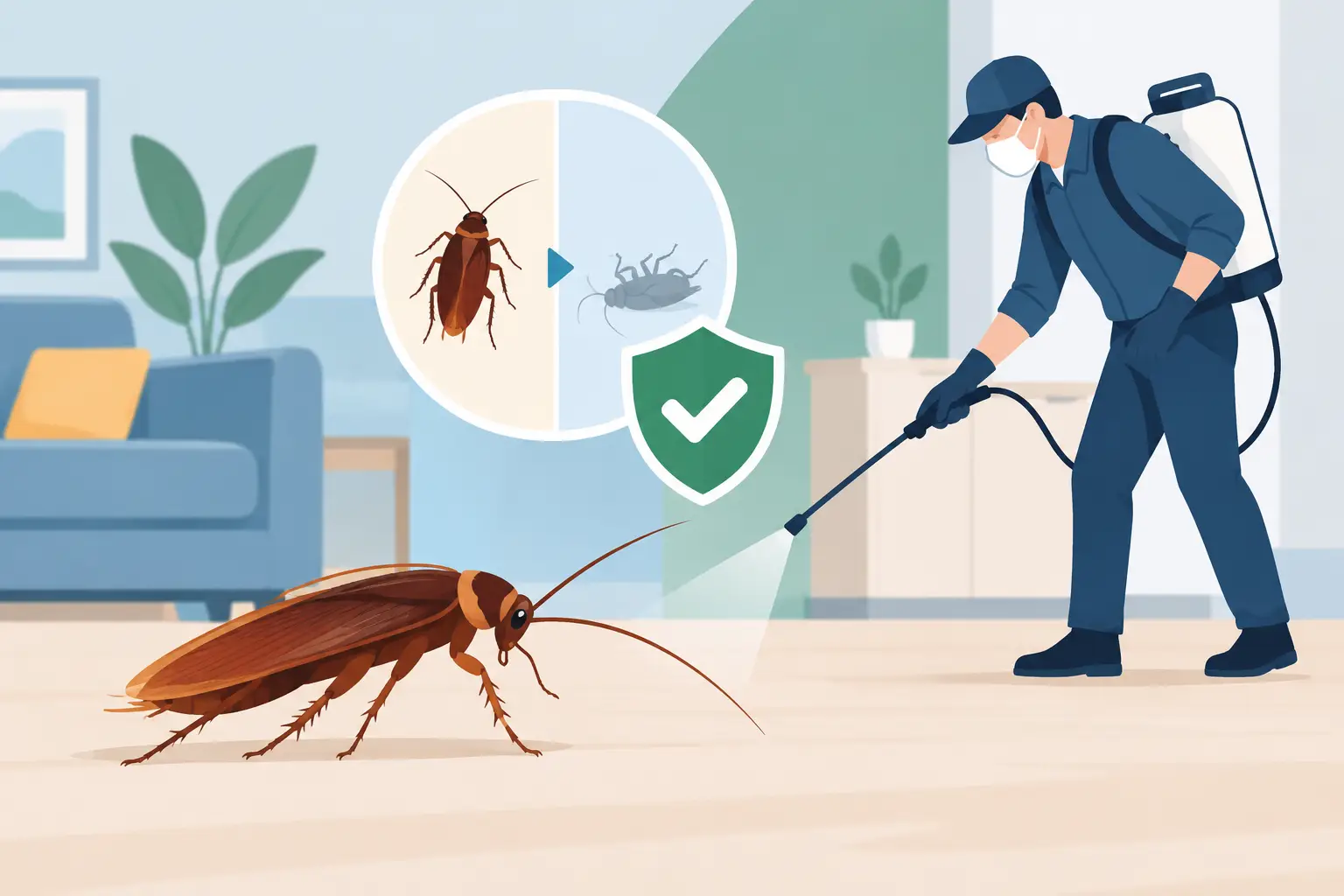
A supermarket spray may kill the cockroaches you can see, but it often does not reach the nest, egg cases or hidden harbourage areas. Some aerosol products can also scatter cockroaches deeper into wall voids and cupboards, making a problem harder to track.
DIY products can have a role when used exactly according to the label, but they are not a substitute for finding the source. Avoid spraying food-preparation surfaces, electrical appliances, children’s areas or pet spaces unless the product is specifically approved and directions are followed. Never mix pest-control products or apply more than recommended.
Baits and targeted treatments can be more effective than broad spraying for certain cockroach species, especially when paired with sanitation and exclusion work. However, the right method depends on the species, the level of activity, the layout of the property and whether children, pets, food handling or sensitive work areas are involved.
When professional treatment is the sensible next step
Book a professional inspection if you see cockroaches repeatedly, find droppings or egg cases, notice activity during the day, or have tried cleaning and DIY treatments without improvement. Daytime sightings can indicate that a population is large enough to force cockroaches out of their usual hiding places.
Professional pest management should not be a one-off spray with no follow-up plan. A thorough service identifies likely entry points, harbourage zones and conditions attracting cockroaches. Treatment can then be tailored to the property, with safe, targeted methods and practical advice to reduce the chance of reinfestation.
For Sydney homes, apartments, food premises and industrial sites, Ready Pest Control can assess the problem, apply an appropriate treatment plan and put preventative protection in place. This is particularly valuable where cockroaches are moving through shared buildings, plumbing systems or complex commercial areas.
Keep prevention consistent
Cockroach prevention works best as a routine rather than a response to the first sighting. Keep kitchens clean, fix leaks, reduce clutter, seal gaps and inspect high-risk areas before the warmer months arrive. If a cockroach appears, treat it as a prompt to check the surrounding conditions, not simply something to spray and forget.
A clean, dry and well-maintained property gives cockroaches far fewer reasons to stay. When early warning signs do appear, prompt action protects the comfort, hygiene and reputation of the space you are responsible for.