A cockroach in one apartment, scratching above a ceiling or ants moving through a shared wall may look like a small, isolated problem. In a strata building, it rarely stays that way. This strata infestation guide explains how Sydney owners corporations, strata managers, landlords and residents can act early, locate the source and protect the whole property.
Pests take advantage of the features that make strata living convenient: shared plumbing, rubbish rooms, car parks, gardens, service ducts, roof voids and closely connected lots. A spray inside one unit may remove visible activity, but it will not stop pests breeding in a neighbouring lot or entering through common property. The right response is coordinated, targeted and based on a proper inspection.
Why strata infestations need a whole-building response
In a freestanding home, the infestation source is often contained within the property boundary. In apartments, townhouses and mixed-use buildings, pests move through connected spaces. German cockroaches can travel via kitchens, pipes and appliance cavities. Rodents use ceiling voids, subfloors and service penetrations. Bed bugs can spread between units through furniture movement, shared laundries or adjoining walls. Ants commonly trail from external gardens, cracks and utility areas into several lots.
This is why repeated reports from separate residents deserve attention, even when each report appears minor. A resident may see a few cockroaches at night while another has found droppings in a cupboard. Together, those signs can point to a larger harbourage area rather than two unrelated incidents.
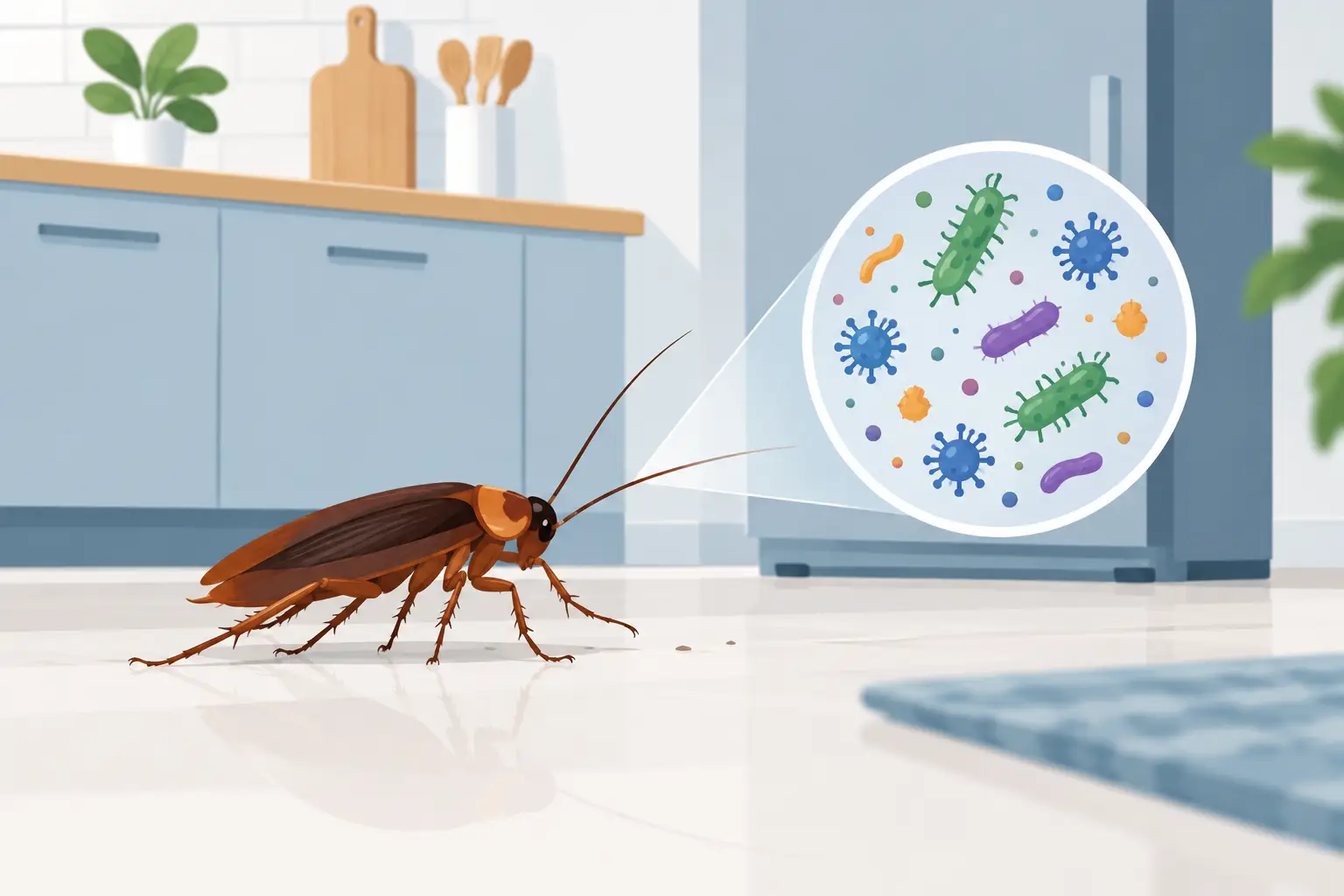
Delaying action creates more than an inconvenience. Pests can contaminate food areas, damage stored materials and electrical cabling, trigger complaints, affect tenant retention and make a building harder to manage. For businesses operating at ground level, such as cafés, medical practices or retail premises, the hygiene and reputational risks can be immediate.
Strata infestation guide: who is responsible?
Responsibility depends on the building plan, by-laws, lease arrangements and the location of the pest activity. As a practical starting point, lot owners and tenants are usually responsible for keeping their own spaces clean, reporting problems promptly and allowing access for necessary treatment. The owners corporation may need to act where the cause or entry point is in common property, such as a rubbish room, shared pipework, roof void, external wall, basement, garden or common corridor.
The line is not always clear. A cockroach issue inside one kitchen might begin with poor food storage in that lot, but it may also be linked to gaps around shared plumbing or activity in another unit. Similarly, rats seen in a car park may be entering through damaged drainage or an open service area controlled by the strata scheme.
Rather than assigning blame before the facts are known, arrange an inspection that identifies the pest, likely breeding or nesting areas, access points and affected locations. Strata managers can then provide clear information to the committee, owners and occupants about the required treatment, access dates and prevention steps. If there is uncertainty about formal obligations, seek advice based on the scheme’s specific documentation and NSW requirements.
Signs that require prompt action
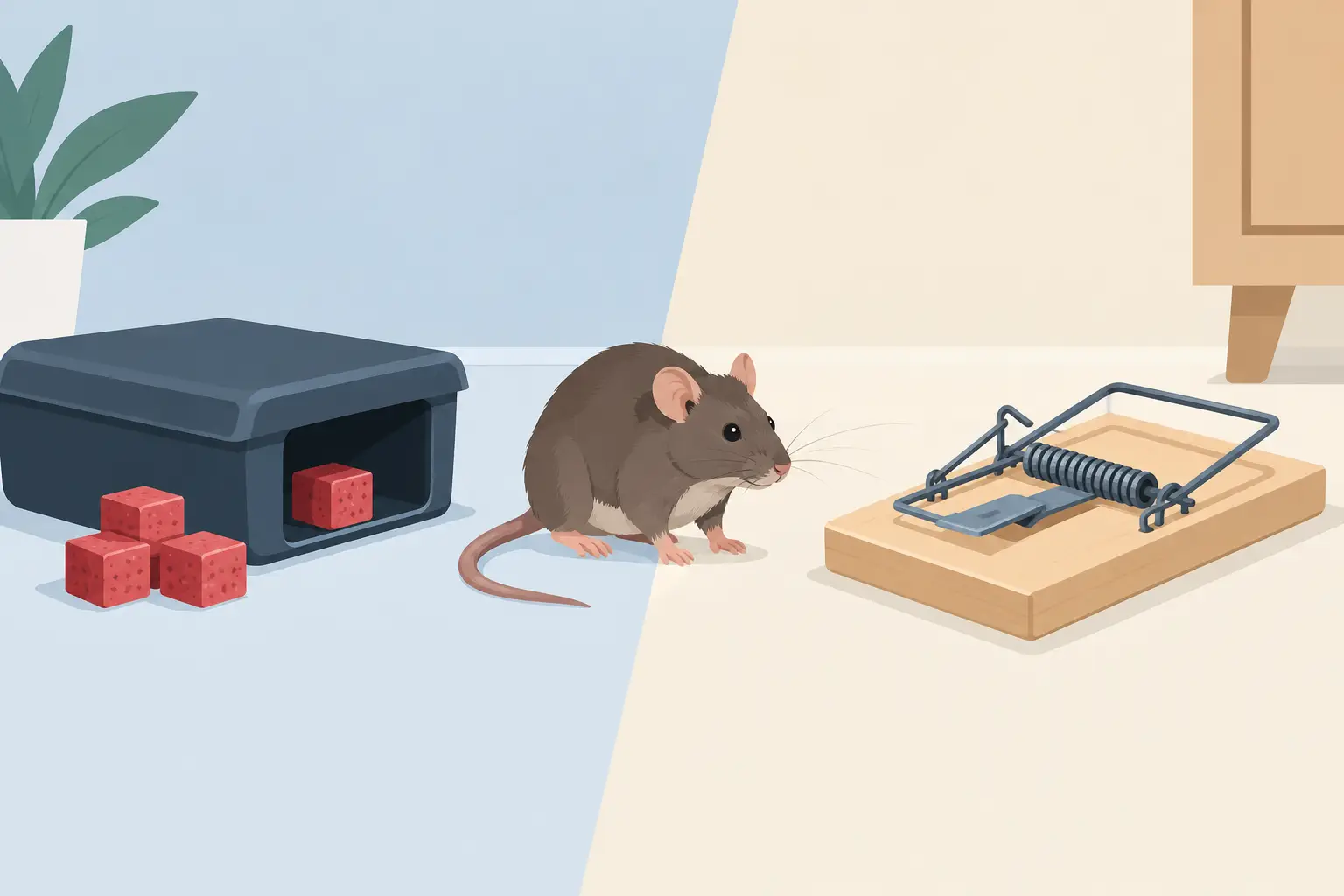
The first sighting is not always proof of a major infestation, but certain signs should never be ignored. Live cockroaches during daylight can indicate a heavy population. Rodent droppings, gnaw marks, grease trails and scratching sounds suggest active movement through concealed areas. Blood spots on bedding, shed skins and bites may indicate bed bugs, while small piles of soil near skirting boards or pavers can signal ants nesting nearby.
Strata buildings should also watch for patterns. Reports clustered around rubbish areas, kitchens stacked on the same plumbing line, ground-floor units or top-floor ceiling spaces can help pinpoint the source. Keep a simple record of the pest seen, exact location, date, time and any photographs. This gives the technician useful evidence and helps show whether activity is increasing or spreading.
What a professional strata pest inspection should cover
Effective pest management starts before treatment. A licensed technician should inspect both the reported lot or area and relevant connected spaces where practical. For a cockroach problem, that may include cupboards, appliances, pipe penetrations, rubbish rooms and utility cupboards. For rodents, the inspection may extend to roof voids, basements, loading areas, garden edges, drainage access points and external building gaps.
The goal is to answer four questions: what pest is present, where it is harbouring or nesting, how it is getting in, and which areas need treatment or exclusion work. This prevents the common mistake of treating only the place where a resident first saw the pest.
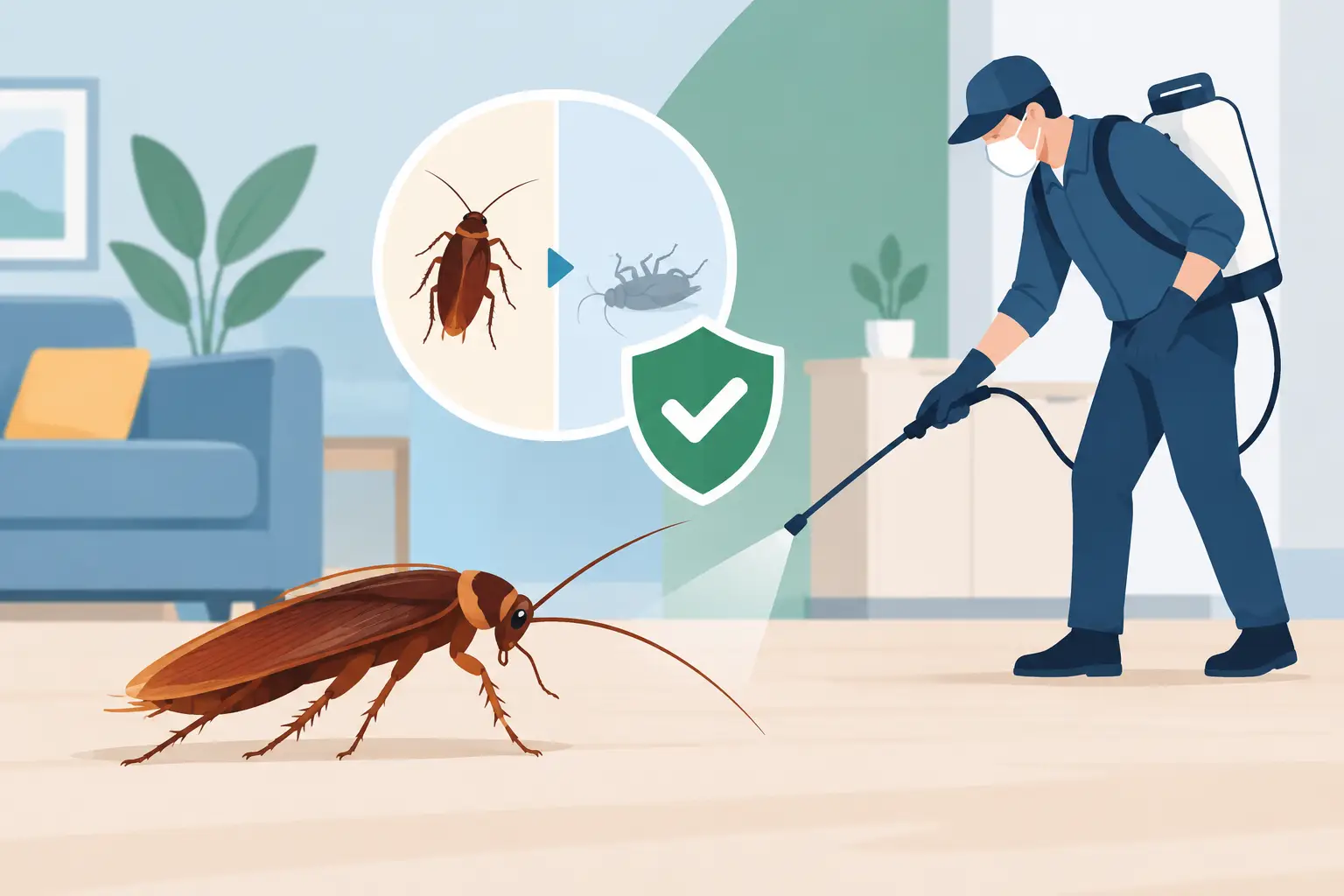
A clear treatment plan should set out the methods proposed, preparation needed from occupants, access requirements, timing of follow-up visits and practical prevention measures. In occupied residential buildings, treatments must take account of children, pets, people with sensitivities and everyday access to shared spaces. Low-toxicity and targeted methods can often be used effectively, but the right approach depends on the pest, infestation level and site conditions.
Treatment works best when residents are involved
Even the best treatment can fall short if food, water and shelter remain readily available. Communication is one of the most useful tools a strata committee has. Give residents simple, specific instructions rather than a vague notice that pest control is occurring.
For cockroaches and ants, residents may be asked to clear food scraps, store pantry goods in sealed containers, empty rubbish regularly and avoid leaving pet food out overnight. For rodents, remove clutter from balconies and storage cages, report damaged door seals, and do not feed birds or wildlife around the building. Bed bug treatment often requires more detailed preparation, including laundering and bagging items as directed, reducing clutter and avoiding moving potentially affected belongings into common areas or another unit.
Residents should not use random supermarket sprays immediately before a booked treatment unless advised to do so. Repellent products can push pests deeper into wall cavities or away from bait placements, making the source harder to reach. They can also complicate the technician’s assessment of activity.
Prevention areas strata committees often overlook
A well-run maintenance programme reduces the conditions pests rely on. The focus should be on physical exclusion, cleanliness and fast repairs, not just scheduled spraying. In a strata property, small defects can affect dozens of residents.
Pay close attention to these recurring risk areas:
- Rubbish rooms and bin surrounds, where overflowing bins, loose lids and food residue attract cockroaches, flies and rodents.
- Service penetrations around pipes, cables and air-conditioning lines, which can leave hidden routes between lots and common areas.
- Roof voids, basements and storage rooms, where clutter and limited foot traffic provide quiet harbourage.
- Garden beds, stormwater points and external drains, which can hold moisture and provide pest entry routes close to the building.
- Doors, vents and loading areas, particularly where seals are worn or left open during deliveries and rubbish collection.
Building managers should also address water leaks quickly. Moisture under sinks, around hot-water systems, in plant rooms and beneath air-conditioning units supports cockroaches, ants and other insects. A pest technician can identify risk conditions, but plumbing, building maintenance and cleaning teams may need to resolve the underlying cause.
Set a treatment schedule that matches the risk
There is no single schedule that suits every strata scheme. A small, well-maintained block may only need routine inspections and treatment at key risk points. A large apartment complex, older building, property with rubbish chutes, food businesses or a history of rodent activity may need more frequent servicing and monitoring.
The best programme is based on evidence. Review sighting records, past treatment reports, seasonal activity and maintenance issues. Sydney’s warmer months often bring increased cockroach, ant, fly and mosquito activity, while rodents may seek sheltered building areas as conditions change. A planned service can catch early activity before it becomes a building-wide complaint.
Ready Pest Control uses a four-step approach: inspection, a tailored plan, targeted treatment and ongoing protection. For strata properties, this structure keeps everyone focused on the source of the problem and the actions needed after treatment, not simply on the next spray date.
When to arrange urgent pest control
Some situations should be escalated without waiting for the next committee meeting. Arrange prompt professional help if there are signs of rodents in food-handling areas, multiple apartments reporting cockroaches, suspected bed bugs in shared accommodation, stinging insects near entrances or active pests affecting a commercial tenant. Swift action can limit spread, reduce disruption and protect residents, staff and visitors.
A pest-free strata property is built through timely reporting, clear communication and treatment that reaches beyond one doorway. When residents and strata teams act on early signs, small pest concerns are far easier to resolve before they become a whole-building problem.