A cockroach in the kitchen or a rodent in the roof can make any property owner want an immediate solution. But pesticide safety should never be an afterthought. The right treatment removes the pest problem while protecting the people, pets, food areas and working spaces that matter most.
For Sydney homes, strata properties, cafés, warehouses and offices, safe pest control starts with identifying the pest and the source of the activity. A spray applied in the wrong place, or at the wrong time, may do little to solve an infestation and can create unnecessary exposure. A considered plan is safer, more effective and more likely to deliver lasting protection.
Pesticide Safety Starts With the Right Assessment
Not every pest issue needs the same treatment. Ant trails, German cockroaches, roof rodents, bed bugs and spiders behave differently, hide in different places and require different control methods. That is why a proper inspection comes before treatment.
A licensed technician looks for the factors allowing pests to thrive: entry points, moisture, food sources, nesting areas, harbourage and activity patterns. This helps target treatment to the areas where it is needed, rather than treating every surface in sight. In many cases, a combination of monitoring, exclusion work, sanitation advice, baits and carefully selected products is more appropriate than broad spraying.
This approach matters especially in homes with young children, pets, elderly residents or people with respiratory sensitivities. It also matters in commercial settings where food handling, customer access and staff safety need to be managed without disrupting operations.
Low-Toxicity Does Not Mean Risk-Free
Many modern pest treatments are designed for targeted, low-toxicity use when applied correctly. That is a positive step, but it does not mean the product can be handled casually. Any pesticide can pose a risk if it is incorrectly mixed, applied outside label directions, stored poorly or accessed by children and animals.
The safest option depends on the pest, the level of infestation, the treatment location and who uses the property. A technician should explain what product type will be used, where it will be applied, what preparation is required and when it is safe to return to treated areas.
Prepare Your Property Before Treatment
Preparation gives the treatment the best chance of working and reduces the chance of unnecessary contact. Your technician will provide instructions based on the pest and treatment plan, so always follow those directions first.
For most internal treatments, a few simple steps make a real difference:
- Put away or cover food, utensils, pet bowls and children’s toys before treatment begins.
- Clear benches, floors and the areas nominated by your technician so pest harbourage can be inspected and treated accurately.
- Keep pets, including birds and aquarium fish, away from treatment zones as directed. Aquariums may need to be covered and air pumps switched off for the specified period.
- Tell the technician about allergies, pregnancy, respiratory conditions, babies, pets or sensitive areas such as vegetable gardens and fish ponds.
- Arrange access to relevant spaces, including kitchens, bathrooms, garages, roof voids, subfloors or storerooms where safe and practical.
Do not move pests or their nesting material through the home in an attempt to clean up before inspection. For example, disturbing rodent nesting in a roof or shifting bed bug-affected furniture can spread the problem. Ask for guidance if you are unsure what should be cleaned, removed or left in place.
During Treatment: Give Products Time to Work
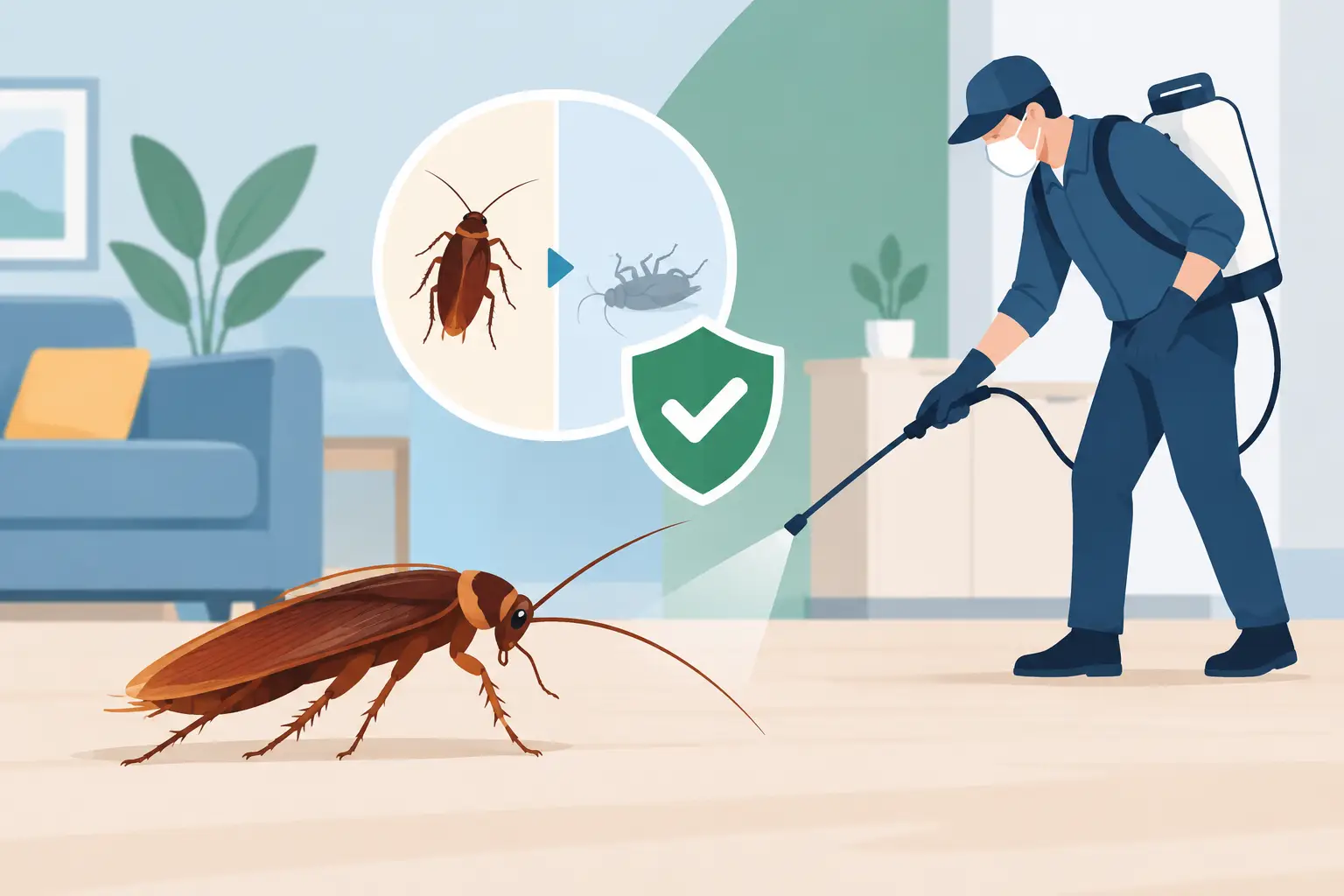
Safe application is not only about the product. It is also about using the right amount, in the right location, with the right equipment. Licensed technicians are trained to apply treatments according to product labels and site conditions, including ventilation, drainage, occupied rooms and nearby food preparation areas.
Keep children, pets and unauthorised people out of active treatment areas. If a treatment is being carried out indoors, leave the property when instructed and do not re-enter until the technician advises it is safe. The required period can vary according to the product, treatment method, ventilation and the room involved.
Avoid touching treated surfaces while they are wet. If you need to enter an area after the advised re-entry time, wash hands before eating, preparing food or handling contact lenses. If you see product residue, do not wipe it up unless your technician has instructed you to do so. Removing a targeted treatment too soon can reduce its effectiveness.
Know the Difference Between Baits and Sprays
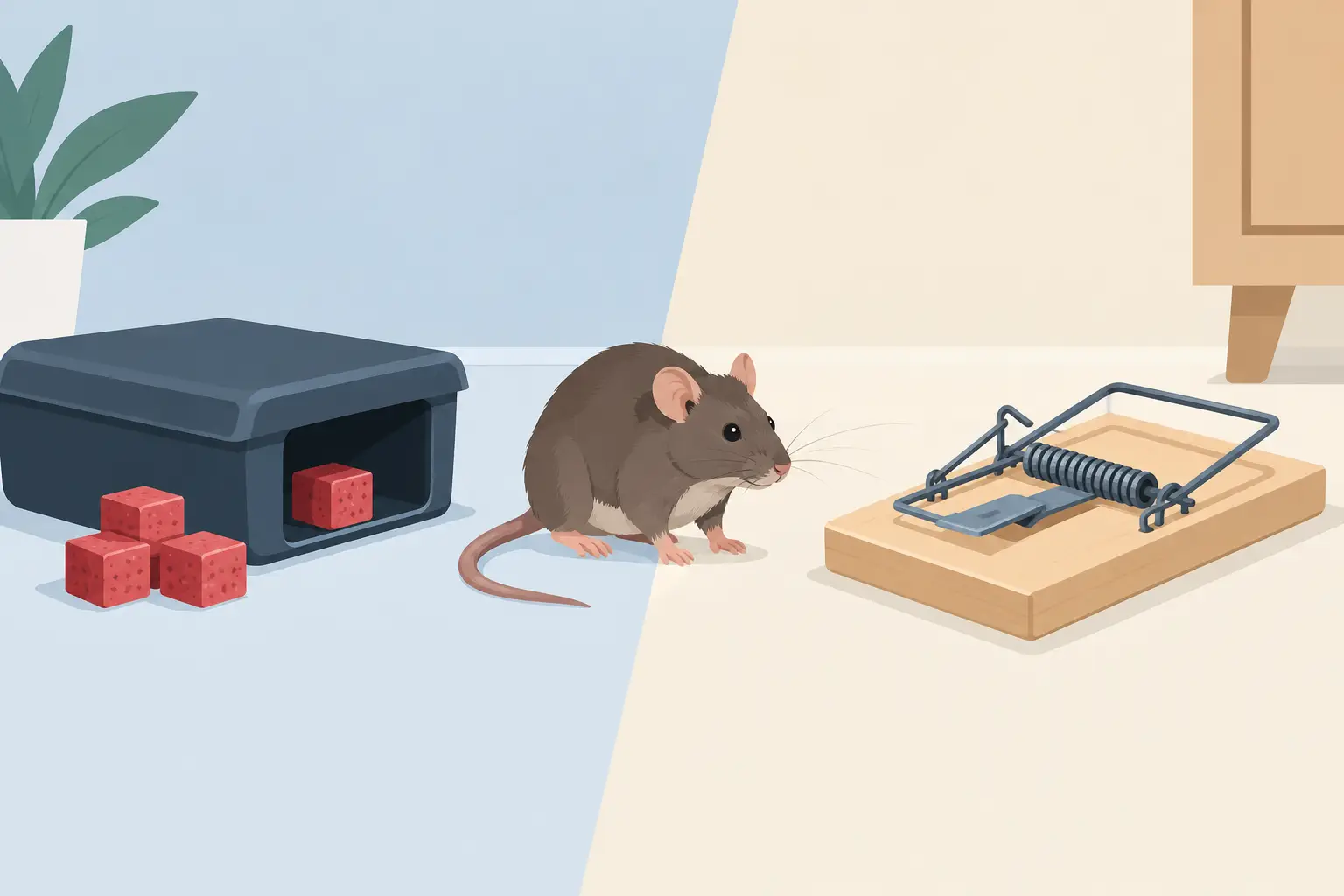
Pest control is not always visible. Gel baits for cockroaches and ants are often placed in cracks, hinges, cupboards or concealed areas where pests travel. These targeted placements can be highly effective because pests carry the bait back to harbourage areas.
Do not spray household cleaners, insect repellent or supermarket aerosols over bait placements. Strong-smelling products can deter pests from feeding on bait and make professional treatment less effective. Keep hands and pet paws away from placements, and contact your technician if a bait has been disturbed.
After Treatment: Protect the Result
The period after treatment is when many pest problems are either resolved properly or allowed to return. Follow the post-treatment advice provided for your property. This may include leaving external perimeter treatments undisturbed, avoiding mopping certain edges for a set time, ventilating rooms or monitoring bait stations.
For cockroach and ant treatments, keeping benches clean and food sealed is vital. For rodents, repair gaps around pipes, doors and roof access points once activity has reduced. For mosquitoes, empty standing water from pot saucers, blocked drains and outdoor containers. Treatment controls the existing issue, while prevention reduces the chance of the next one.
If activity continues immediately after treatment, do not assume it has failed. Some pests become more visible as they move through treated areas, and eggs or hidden harbourage may mean follow-up is needed. The expected timeframe depends on the pest. Bed bugs, German cockroaches and established rodent infestations often require a structured program rather than a one-off visit.
Store Household Pesticides With Care
DIY products have a place for minor issues, but they must be used with the same care as any other chemical. Read the entire label before use, wear any required protective equipment and never apply more product than directed. More chemical does not equal better control.
Store pesticides in their original containers with labels intact, locked away from children and pets. Keep them separate from food, pet food, medicines and cleaning products. Never transfer chemicals into drink bottles, jars or unlabelled containers.
Do not mix products unless the label specifically permits it. Combining chemicals can create fumes, damage surfaces or produce unpredictable results. Avoid using outdoor products indoors, and do not use a product against a pest that is not listed on its label.
If someone has been exposed to a pesticide or is feeling unwell after use, move them away from the area, follow the first-aid instructions on the label and seek urgent medical advice where needed. Keep the product container available so health professionals can identify the active ingredient.
Pesticide Safety for Businesses and Strata Properties
Commercial and shared properties need an extra layer of planning. A treatment in a restaurant, childcare centre, warehouse, apartment complex or office must account for staff, residents, visitors, contractors and site-specific hygiene requirements.
Facilities managers should make sure treatment areas are communicated clearly, food and stock are protected, and staff know any re-entry or cleaning instructions. For strata buildings, treating one unit without addressing shared rubbish rooms, service ducts, gardens, roof spaces or neighbouring activity may only shift the problem.
A scheduled maintenance plan helps prevent this cycle. Regular inspections can identify early signs of cockroaches, rodents, ants or flies before they affect customers, tenants or operations. It also allows treatment methods to be adjusted as conditions change across the site.
Choose a Treatment Plan That Fits Your Property
The safest pest treatment is the one that matches the problem. Ask whether the provider is licensed, how the pest has been identified, what preparation is needed, which areas will be treated and whether follow-up protection is recommended. Clear answers are a sign that the treatment has been planned, not simply sold.
Ready Pest Control uses inspection-led treatment plans to address active pests and the conditions attracting them. Whether the issue is in a family kitchen, a unit block, a retail premises or an industrial facility, the goal is the same: remove the infestation with a controlled approach that respects the people and spaces on site.
A pest-free property should not come at the expense of your family’s comfort or your business’s safety. Ask questions, follow the treatment instructions and deal with early pest activity before it grows into a larger problem.