A cockroach under the fridge, scratching in the roof, or ants tracking across the kitchen bench usually starts with one small access point. Pest exclusion is the practical work of finding and closing the gaps that let pests enter, nest and move through your property. It is one of the most effective ways to reduce repeat infestations in Sydney homes, apartments, businesses and industrial sites.
Sprays and baits can control pests already present, but they cannot repair a broken vent, a gap below a roller door or a cracked pipe entry. Lasting protection comes from treating the active problem while making the property harder for pests to access again.
What pest exclusion means for your property
Pest exclusion means physically preventing pests from getting inside. It can involve sealing cracks, fitting mesh to vents, repairing damaged screens, closing gaps around pipes and improving door seals. The right approach depends on the pest, the building type and where the pressure is coming from.
For a house, the highest-risk areas may be roof voids, subfloors, garages, weep holes, kitchen plumbing and external doors. In an apartment, pests often travel through shared wall cavities, service penetrations, balconies and rubbish areas. Commercial kitchens, warehouses and industrial facilities may need attention around loading bays, roller doors, drainage points, storage areas and utility services.
Exclusion is not about sealing every opening without thought. Buildings need appropriate ventilation and drainage, and some features have specific construction requirements. A licensed pest technician can identify likely entry points and recommend measures that deter pests without creating moisture, safety or compliance issues.
Why Sydney properties need pest exclusion
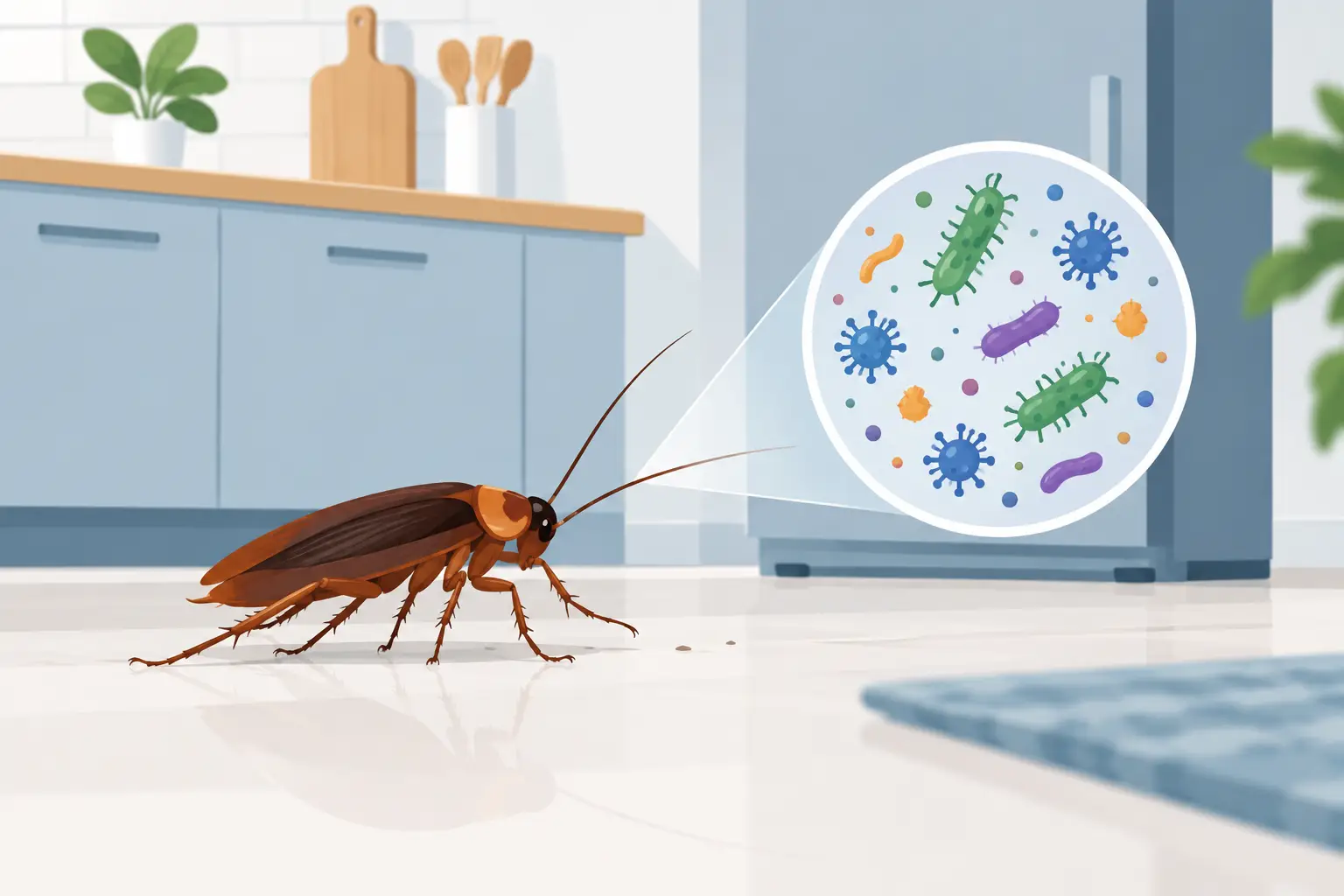
Sydney’s warm conditions, periods of heavy rain and dense mix of homes, food businesses and commercial premises create steady pest pressure. Rodents seek dry nesting spaces when the weather changes. Cockroaches favour warm, humid areas around kitchens, drains and appliances. Ants can follow tiny cracks from gardens, wall voids and paving straight into food areas.
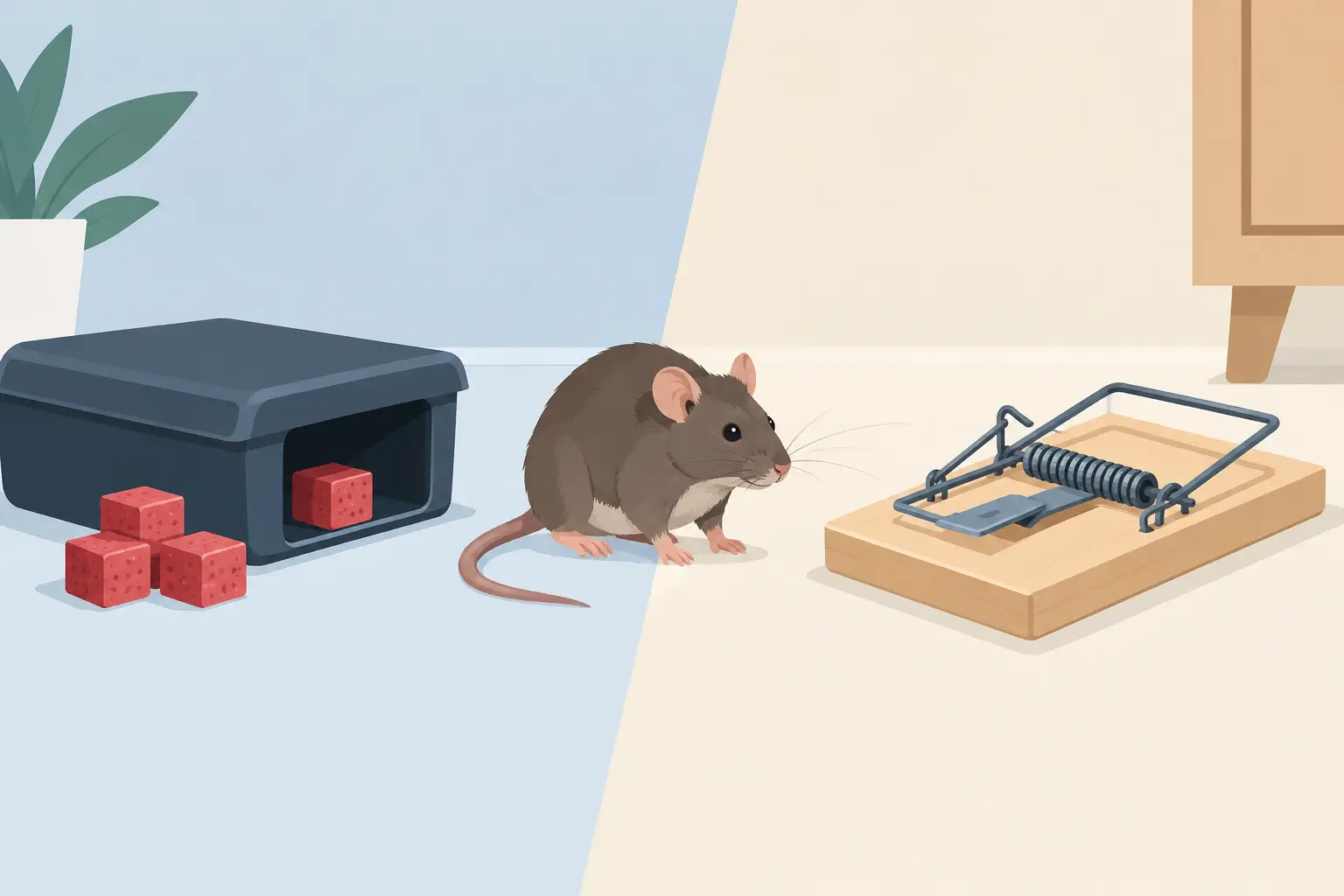
A property can be clean and still have a pest problem if access is easy. A mouse can fit through an opening around 6 mm wide. Cockroaches can squeeze through surprisingly narrow gaps around plumbing and cabinetry. Once inside, pests have access to shelter, water and often food, which makes a small entry point a recurring issue rather than a one-off nuisance.
For businesses, this matters beyond discomfort. Rodent activity, fly entry or cockroach sightings can affect hygiene, stock, staff confidence and customer trust. Exclusion supports a more reliable pest management program by reducing the number of pests that treatment has to deal with in the first place.
The entry points pests use most often
A detailed inspection looks beyond the pest you can see. It traces how that pest may be getting in, where it is sheltering and what conditions are helping it survive.
Doors, windows and loading areas
Worn weather strips, loose flyscreens and doors that do not sit flush against the frame are common entry points. Rodents can use gaps beneath external doors, while flies, mosquitoes and crawling insects enter through damaged screens and open service doors.
For commercial sites, loading docks and roller doors deserve close attention. They may need brush seals, suitable door sweeps or operational changes to avoid long periods of open access. The best solution depends on traffic flow. A busy warehouse cannot always keep a door shut, so the pest plan may combine physical barriers, improved waste management and targeted monitoring.
Pipes, cables and wall penetrations
Plumbers and electricians need to bring services into a building, but the openings around pipes and cables are often left larger than necessary. Kitchens, bathrooms, laundries, plant rooms and meter boxes are frequent problem areas.
These gaps can give cockroaches, ants and rodents a protected route into wall cavities. Sealing should use durable, pest-resistant materials suited to the location. Temporary fillers can be chewed, shrink over time or fail in wet areas, so the repair needs to match the pest risk and building surface.
Roofs, vents and subfloors
Roof gaps, damaged eaves, uncapped vents and broken tiles can allow rodents, birds and insects into roof voids. Under homes, poor subfloor screening and gaps around access panels may provide nesting areas for rodents and cockroaches.
Mesh can be effective for selected vents and openings, but mesh size and installation matter. It must prevent the target pest from entering while allowing the ventilation the structure requires. This is one reason a quick DIY seal can create a different problem if it blocks airflow or traps moisture.
Drains, gardens and external edges
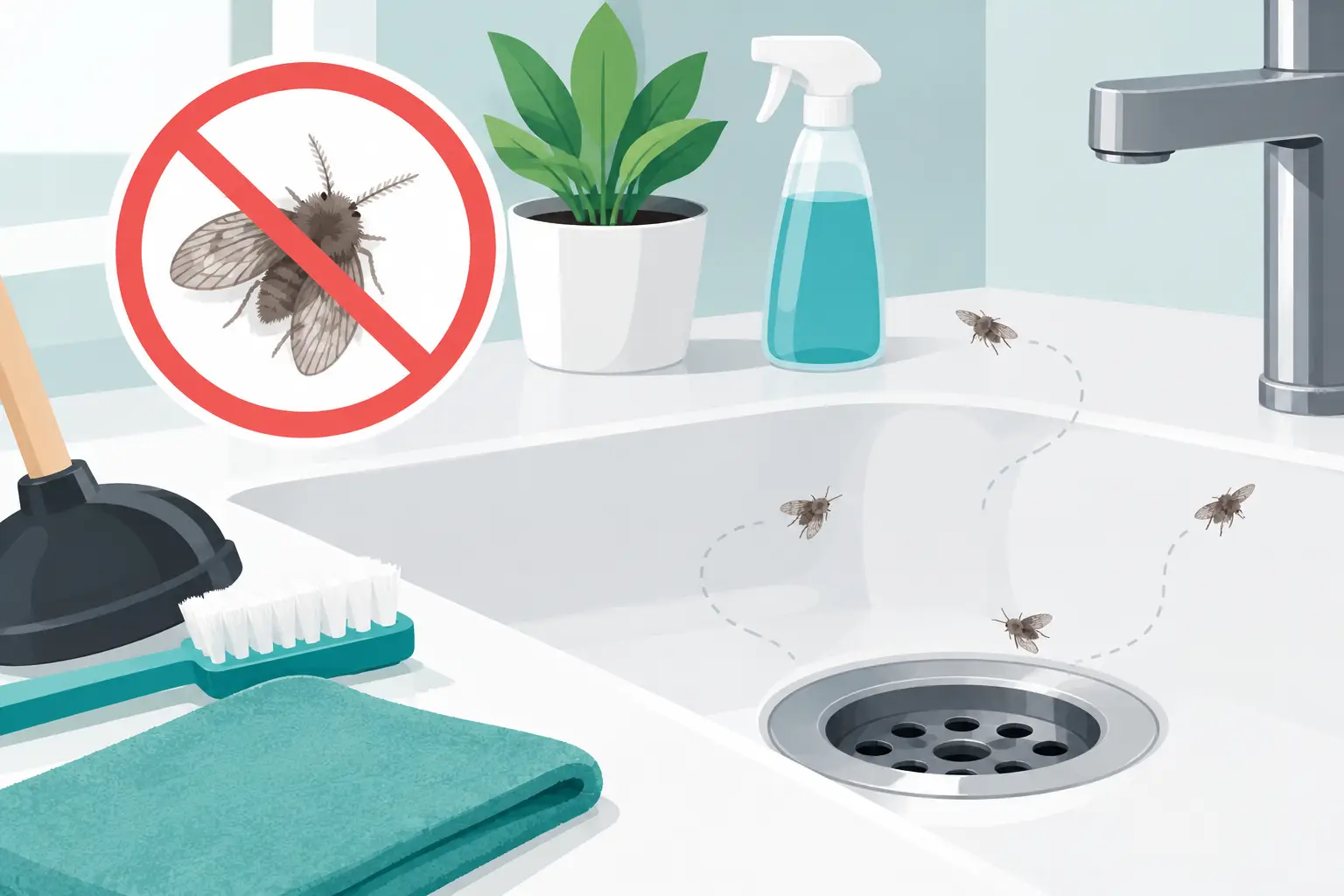
Not every pest enters through a wall gap. Overgrown vegetation against the building, clutter near external walls, overflowing bins and poorly managed drains can create a bridge between outdoor pest harbourage and indoor spaces.
Keep garden beds and stored materials clear of walls where possible. Repair leaking taps, clear blocked drainage and make sure bin areas are kept clean and closed. These steps will not replace professional treatment where an infestation is active, but they reduce food, water and shelter close to entry points.
Pest exclusion works best with treatment
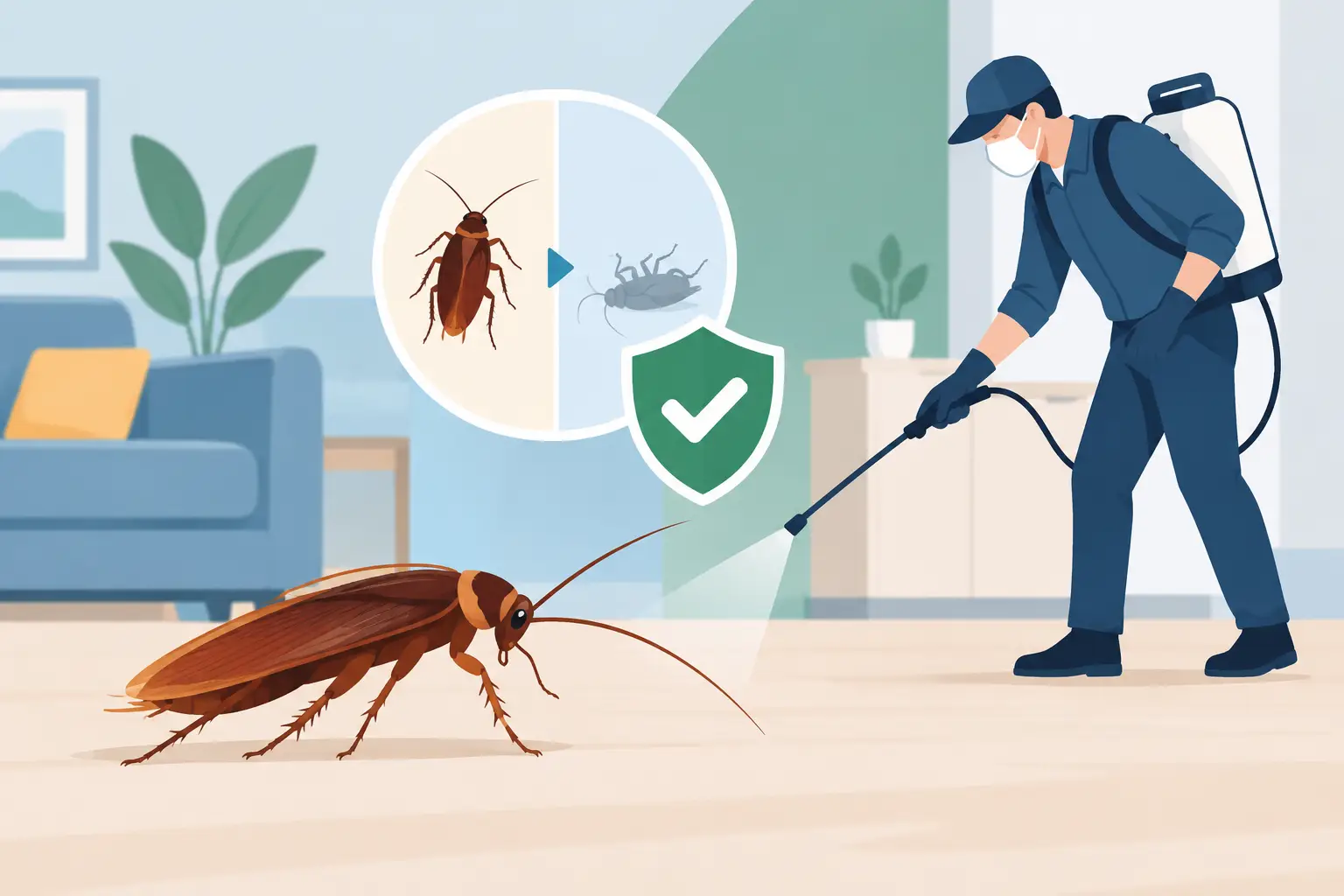
Exclusion is powerful, but it is not always a stand-alone solution. If rodents are already nesting in a ceiling, cockroaches are breeding behind appliances, or ants have established trails through internal wall voids, the active population needs to be dealt with safely as well.
A complete service should follow a clear process: inspection, a tailored plan, treatment and ongoing protection. Inspection identifies the pest and its likely entry route. The treatment plan addresses the infestation with methods suited to the site, including family- and pet-considerate options where appropriate. Exclusion repairs and prevention measures then reduce the chance of pests returning.
This sequence also avoids a common mistake: sealing pests inside a building before the population has been controlled. With rodents especially, access points may need to be managed in stages so activity can be monitored and the building can be secured at the right time.
When to call a professional
Basic maintenance is worthwhile. Replacing a loose door seal, fixing a torn screen and keeping food in sealed containers are sensible first steps. However, professional help is the better option when there is repeated activity, droppings, chewed wiring, noises in the roof, unexplained odours, or pests appearing in several rooms.
It is also wise to arrange an inspection before a small issue becomes a large repair. Rodents can damage insulation and cables. Cockroaches can spread through hidden voids. In commercial and industrial settings, a recurring pest issue can expose gaps in site practices that need a coordinated response.
Ready Pest Control can inspect the property, identify the source of activity and recommend a customised treatment and exclusion plan. For Sydney households, renters and business operators, that means clear advice on what needs immediate treatment, what should be repaired and what maintenance will provide the strongest ongoing protection.
A practical prevention routine
After treatment and repairs, regular checks help keep exclusions effective. Look at external doors, screens, vents, pipe entries and rooflines every few months, particularly after storms, renovations or trades work. Check that seals remain intact and that garden growth, stored items and rubbish have not created new pest harbourage near the building.
For businesses, include these checks in routine site maintenance. Staff can report damaged screens, leaking taps, open bin lids and door-seal problems early, before they become a pest access issue. Facilities with food, stock or high foot traffic may benefit from scheduled pest monitoring and preventive maintenance.
The goal is simple: pests should find your property difficult to enter, unrewarding to stay in and easy to protect. A careful inspection today can save you from a far more disruptive infestation later.