A cockroach appearing when the kitchen light goes on, scratching sounds in the roof, or ants tracking across the benchtop can make a property feel less safe overnight. Eco-friendly pest control Sydney residents can rely on is not about ignoring the problem or hoping pests disappear. It is about finding where pests are living, what is attracting them, and applying the most targeted treatment needed to stop the infestation while reducing unnecessary exposure around people, pets and the environment.
For Sydney homes, businesses and industrial sites, the best result usually comes from more than a one-off spray. It comes from a structured plan that removes the active pest problem and makes the property harder for pests to return to.
What eco-conscious pest control really means
Eco-conscious pest management uses practical prevention first, then targeted treatments where they are needed. A licensed technician considers the pest species, the extent of activity, the layout of the property and who uses the space. A cockroach issue in an apartment kitchen, for example, needs a different approach from rats moving through a warehouse roof void or mosquitoes breeding around a garden.
The aim is to avoid blanket treatments when a more precise option will work. That can mean using monitoring devices to confirm rodent activity, placing gel baits into concealed cockroach harbourages, sealing entry points, removing nesting material, or treating only the affected areas rather than every surface in the building.
Eco-friendly does not mean chemical-free in every situation. Some established infestations require approved pest-control products to be resolved properly. The key is that treatments are selected carefully, applied by trained professionals and supported by prevention measures. This protects the people using the property while giving pests fewer opportunities to recover.
Eco-friendly pest control Sydney properties need
Sydney’s warm conditions, coastal humidity and dense urban living create favourable conditions for many pests. Cockroaches can move between adjoining apartments through wall voids and plumbing gaps. Rodents take advantage of roof spaces, storerooms, food areas and poorly sealed service penetrations. Ants are drawn indoors by water and food, while spiders, mosquitoes, flies and wasps often begin as an outdoor issue before becoming a problem close to the building.
A reliable service should follow a clear four-step process: inspection, plan, treatment and protection. Each step matters because treating only the pests you can see often leaves nesting sites, eggs, entry points or food sources untouched.
Start with a proper inspection
The first task is to identify the pest accurately and locate the source of activity. This may involve checking under sinks, behind appliances, in roof voids, subfloors, gardens, bin areas, garages, wall cavities and external perimeters. For commercial premises, inspections may also cover loading zones, plant rooms, food storage, staff areas and waste handling points.
Evidence such as droppings, smear marks, chewed packaging, shed skins, egg cases, mud trails or insect movement helps determine the right response. Advanced detection and experienced inspection are especially important for pests such as bed bugs and rodents, which are often active in places people do not routinely see.
Build a treatment plan for the property
A tailored plan considers the infestation and the practical realities of the site. A family with a crawling baby, a pet owner, an apartment tenant, a café operator and a facilities manager all need clear guidance that fits their environment.
The plan should explain what will be treated, why it is being treated, any preparation needed and what results to expect. It should also identify conditions that are helping pests survive, such as leaking pipes, overflowing rubbish bins, vegetation touching the building, pet food left out overnight or gaps around pipes and doors.
Use targeted treatment, not guesswork
Targeted treatment may include low-toxicity gels, carefully positioned baits, traps, dusts in inaccessible voids, insect growth regulators, physical removal or perimeter treatments where appropriate. The method depends on the pest.
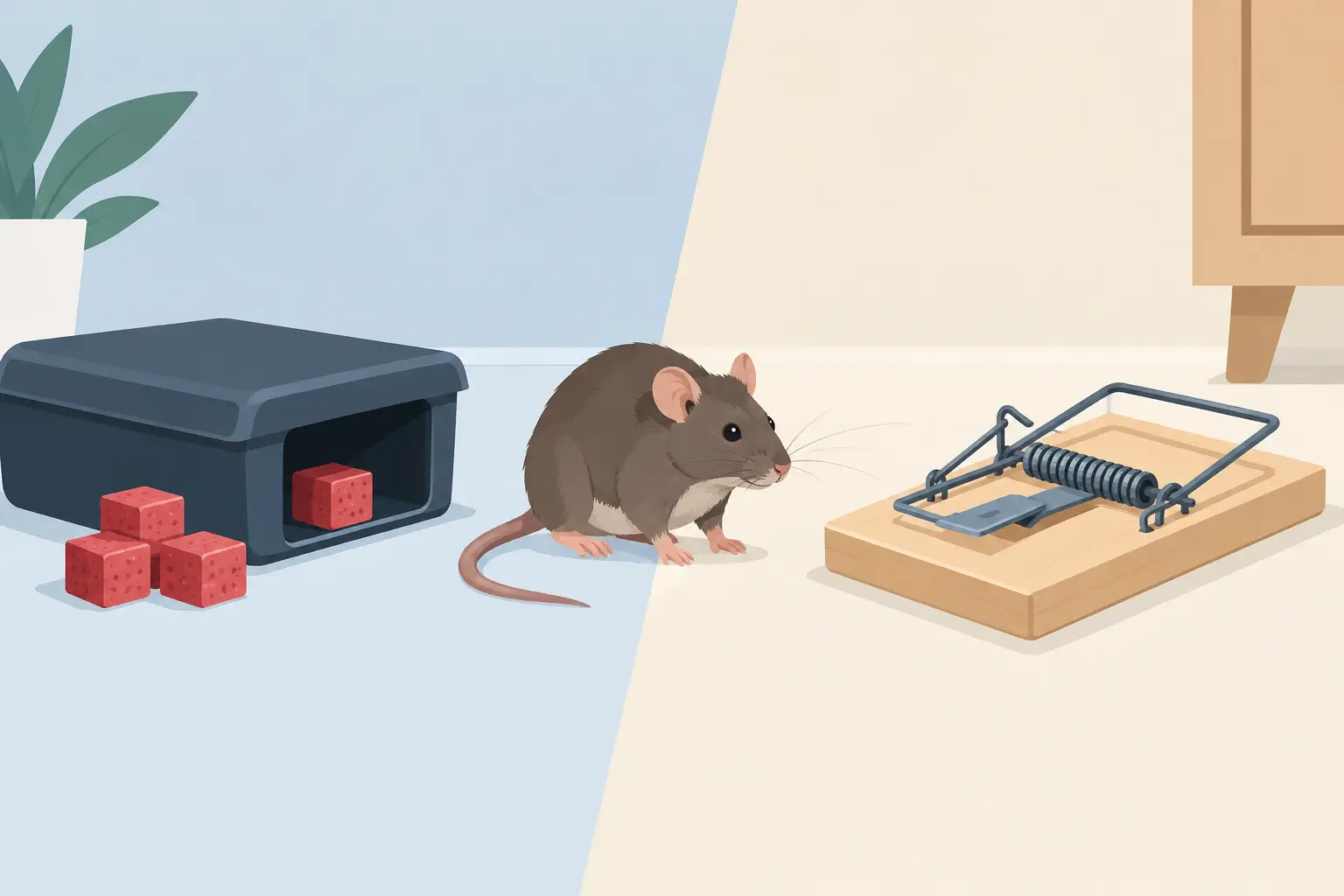
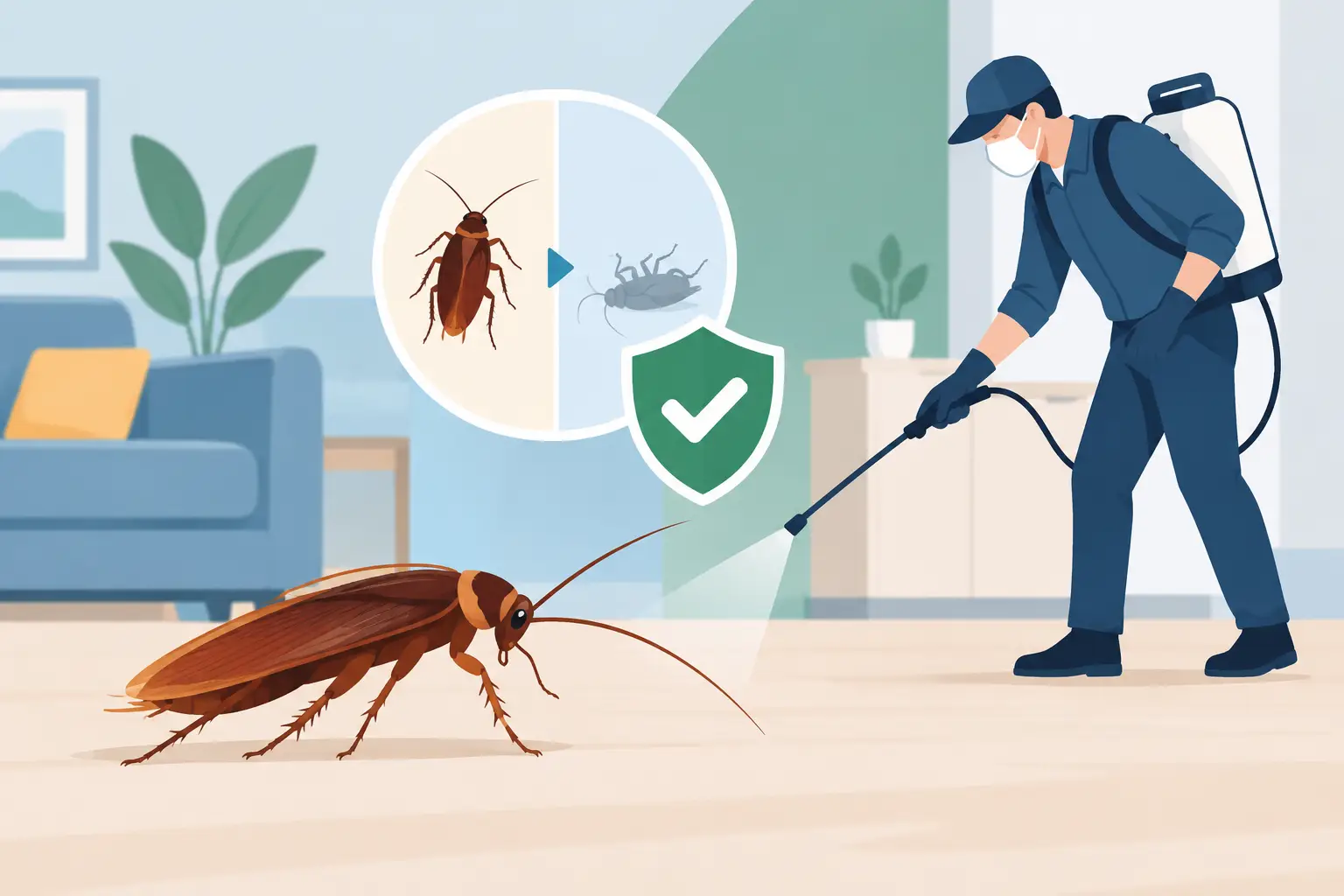
Cockroaches often respond well to precision baiting combined with sanitation and harbourage treatment. Ant management may require locating and treating the trail and nest pathway rather than repeatedly spraying the ants on the floor. Rodent control works best when traps or bait stations are paired with exclusion work, because new rodents will continue entering through gaps in roofing, drains or walls.
For bees, wasps and other stinging insects, safety and species identification are critical. A nest near an entry, play area or workplace may need professional removal, while some situations call for protection of beneficial insects rather than indiscriminate treatment.
Keep protection in place
Follow-up protection is where long-term control is won or lost. Some pests need more than one visit due to their life cycle, the size of the infestation or the risk of reinfestation from neighbouring properties. Bed bug treatments, heavy cockroach activity and rodent problems in larger premises are common examples.
Monitoring, scheduled maintenance and practical prevention advice help catch activity early. For businesses, this can reduce disruption, protect hygiene standards and provide a more consistent approach across multiple areas of the site.
Prevention changes that make a real difference
Pest prevention does not need to mean turning your home or workplace into a fortress. Small maintenance changes can remove the food, water and shelter pests depend on. Keep food in sealed containers, clean crumbs and grease from kitchen areas, empty indoor rubbish regularly and avoid leaving pet food out overnight.
Outside, clear leaf litter from around the building, keep vegetation trimmed back from walls and repair leaking taps or drainage issues. Check that flyscreens, door seals and vents are intact. If rodents are a concern, inspect gaps around pipes, roof lines, roller doors and utility connections. A hole that looks too small to matter can still be enough for a mouse to enter.
In apartment buildings, prevention often needs cooperation. Tenants can keep kitchens and balconies clean, while strata managers and owners may need to address shared bin rooms, plumbing penetrations, gardens and common-area gaps. Treating one unit without considering the wider building can lead to repeat activity.
Safety around children, pets and workspaces
Families and businesses should be able to ask direct questions about treatment safety. A professional technician should explain where products will be used, whether pets or children need to be kept away during application, and when treated areas can be used normally again. Instructions vary by treatment, so follow the advice provided for your property rather than relying on general rules.
Before a visit, you may be asked to clear bench tops, cover or store food, move pet bowls, vacuum certain areas, wash bedding, or provide access to roof spaces and cupboards. These steps are not unnecessary chores. They help the technician reach pest harbourages and prevent contamination of items used every day.
Avoid mixing household chemicals or applying extra store-bought sprays before or after a professional treatment unless advised. Overuse can create avoidable exposure, repel pests into harder-to-reach areas or interfere with baits that rely on pests feeding normally.
When stronger action may be necessary
There are situations where low-impact prevention alone is not enough. A severe German cockroach infestation, a bed bug outbreak, persistent rodent activity in a food premises or a dangerous wasp nest may require a more intensive response. Delaying effective treatment can allow pests to spread, contaminate food, damage wiring or create health and safety risks.
That does not mean abandoning eco-conscious practice. It means using the lowest-risk effective method for the conditions, applying it precisely and combining it with follow-up checks. The trade-off is sometimes that a careful, lasting treatment takes more than one visit or requires the property owner to complete repairs and cleaning tasks between appointments.
For urgent activity, 24/7 emergency support can be particularly valuable when pests affect a business operation, a tenant’s wellbeing or a family’s ability to use part of their home safely.
Ready Pest Control approaches eco-conscious treatment as a complete service, not a quick cover-up: inspect the source, create a clear plan, treat the active infestation and protect the property against return activity. If pests are taking over your space, act while the signs are still small. Early treatment is usually simpler, more targeted and easier on the people and places you need to protect.