A rat sighting near a loading dock, flies around a waste area or cockroaches in a staff kitchenette can quickly become more than a nuisance. Industrial pest control Sydney businesses can rely on starts with finding out why pests are entering, feeding and breeding on site – then putting a practical plan in place to stop the problem returning.
For warehouses, factories, distribution centres, workshops and food-handling facilities, pest management protects people, stock, equipment and day-to-day operations. A quick spray may reduce visible activity, but it rarely addresses hidden nesting areas, access points or conditions that attract pests in the first place.
Why industrial sites need a different approach
Industrial properties present pest risks that are not usually found in a typical home or small office. Large footprints, roller doors, loading bays, high racking, roof voids, plant rooms and external storage all create places where pests can travel unnoticed.
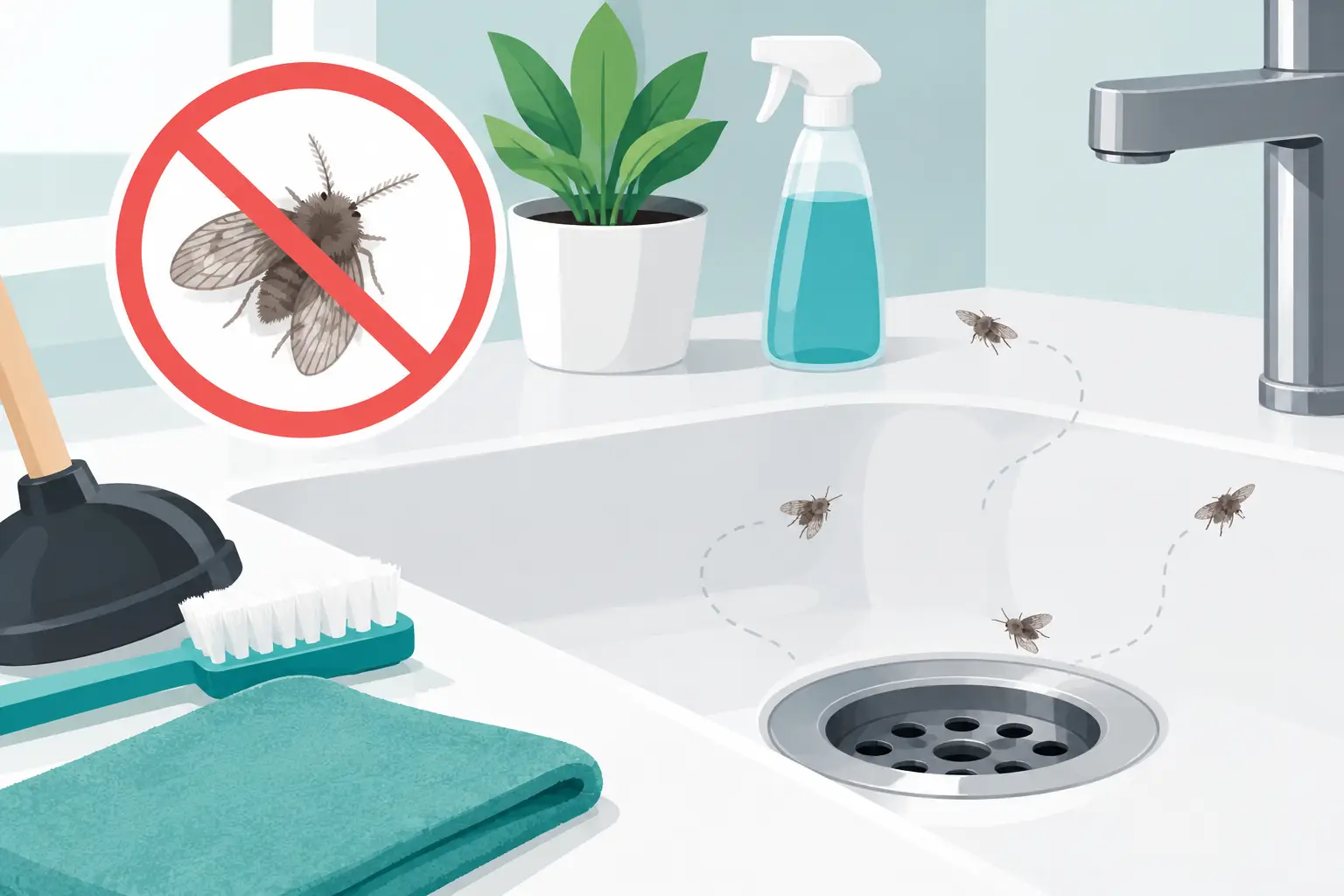
Rodents may follow utility lines, enter through gaps around services or shelter beneath pallets. Cockroaches can establish themselves near warm machinery, drains and break rooms. Flies often breed where bins, organic waste or standing water are not closely managed. Depending on the site, stored-product insects, ants, spiders, birds, mosquitoes, bees and wasps may also need attention.
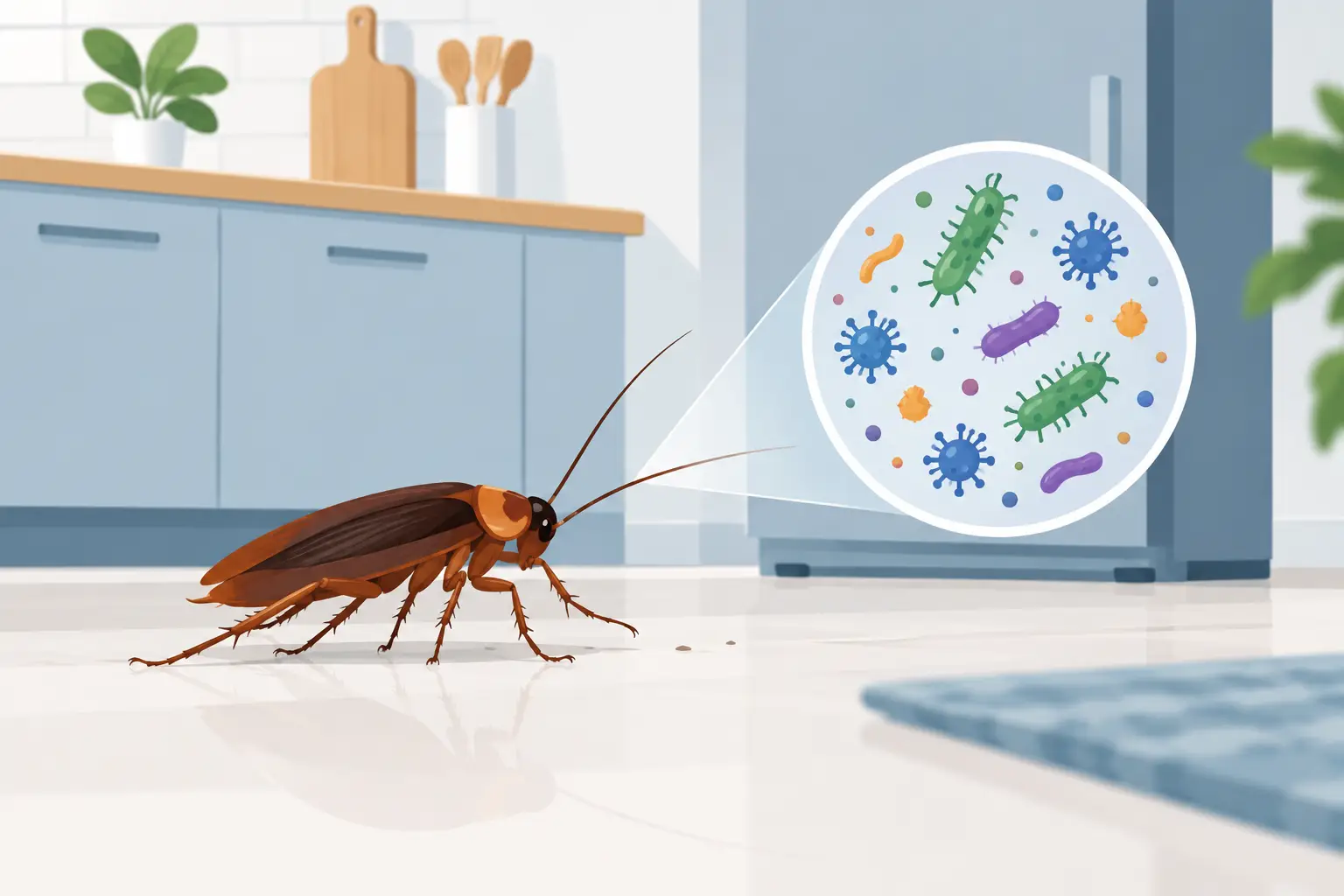
The impact can be serious. Pest activity can contaminate products and packaging, damage wiring and insulation, create slip or sting hazards, and undermine hygiene standards. In sensitive environments such as food production, pharmaceuticals, logistics and manufacturing, an unresolved infestation can also disrupt audits, deliveries and customer confidence.
That is why effective industrial pest control is planned around the site, its operating hours and its specific risk areas. It needs to protect the premises without unnecessarily interrupting production, staff access or dispatch schedules.
Industrial pest control Sydney sites can depend on
A reliable program follows a clear process: inspection, plan, treatment and protection. Each stage matters because the pest you see is often only part of the issue.
Inspection finds the source, not just the symptom
A licensed technician begins by assessing the property inside and out. This may include loading docks, bin compounds, storage areas, staff facilities, roof spaces, drains, perimeter fencing, landscaping and service penetrations. They look for pest sightings, droppings, rub marks, nests, harbourage, entry points and conditions such as moisture, food residue or clutter.
For a large facility, the inspection should also consider how goods, people and waste move through the site. A pest issue around incoming stock requires a different response from rodent activity near an external drainage line. Clear findings allow priorities to be set before treatment begins.
A tailored plan works around your operation
There is no one-size-fits-all treatment for an industrial site. The right plan considers the pest species, level of activity, site layout, hygiene requirements and areas that must remain accessible. It should also account for shift patterns, contractor access and whether treatment needs to occur after hours.
For example, rodent management may combine secure monitoring stations, targeted treatment where appropriate, proofing recommendations and scheduled checks. A cockroach program may focus on harbourage treatment, monitoring and improving cleaning around food and water sources. Fly control can involve treating breeding areas while also addressing bin management, drainage and door access.
The best option depends on the risk. A site with occasional external ant activity may only require seasonal protection and perimeter treatment. A distribution facility with recurring rodent evidence needs a more structured maintenance program, supported by regular inspection and documented follow-up.
Treatment should be precise and safety-led
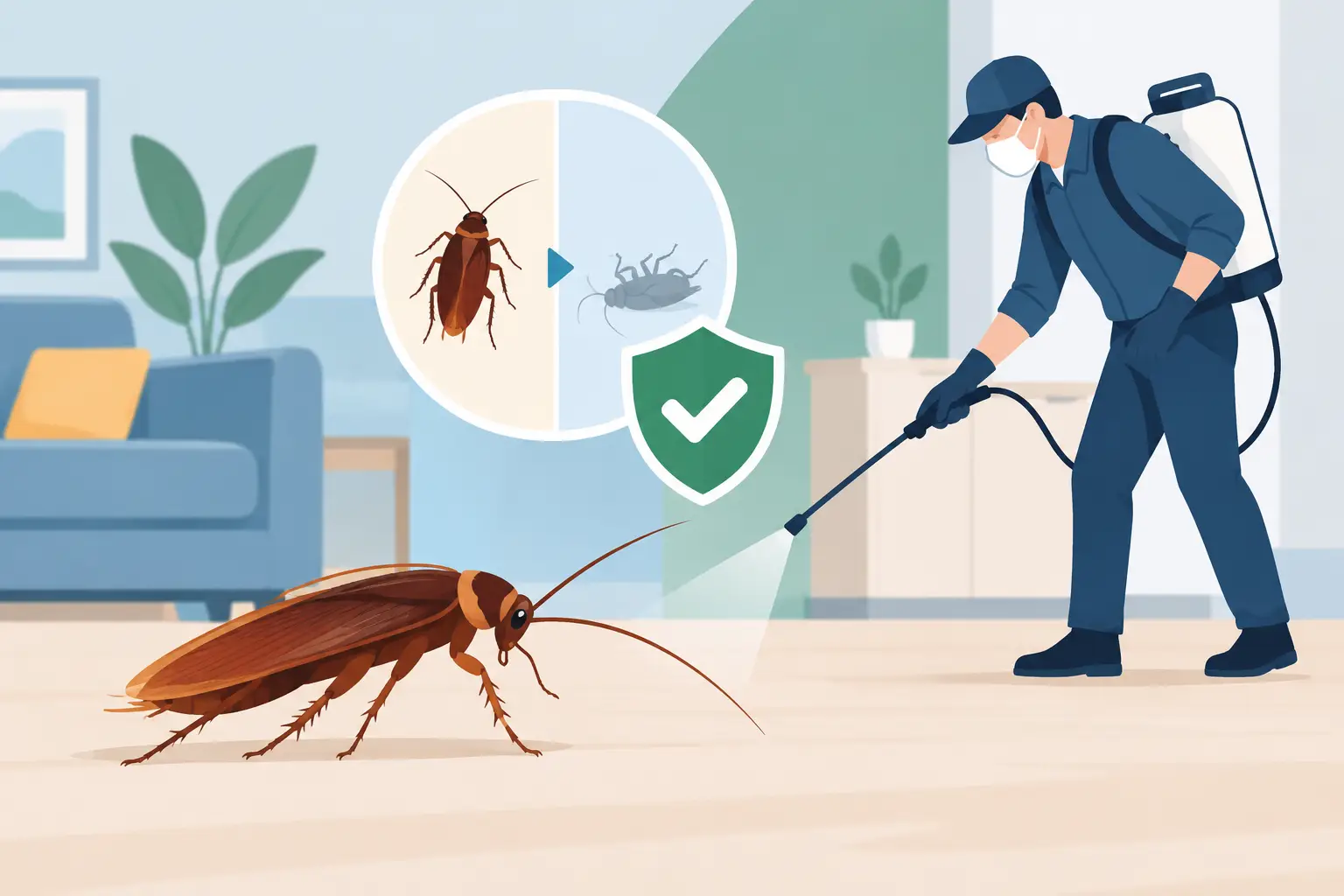
Industrial pest treatment should target the problem while respecting the people working on site and the products being stored or made. Licensed professionals select industry-approved methods and apply them according to the environment, pest pressure and relevant safety requirements.
This can include low-toxicity options, baiting systems, insect growth regulators, targeted residual treatments, exclusion work and monitoring devices. The goal is not to use more product than necessary. It is to use the right method in the right location, with clear guidance on any preparation, access restrictions or re-entry requirements.
If your facility handles food, medical supplies or sensitive materials, tell the technician before work begins. Treatment can then be planned to protect stock and avoid conflict with site procedures.
Protection keeps risks from building up again
One-off treatment can be suitable for an isolated issue, but many industrial sites benefit from scheduled maintenance. Regular visits make it easier to identify activity early, review monitoring points and respond before a small problem becomes an operational disruption.
Good prevention also involves practical changes on site. Keeping rubbish areas clean, rotating stock, fixing leaks, reducing standing water, sealing gaps around pipes and doors, and keeping external vegetation away from walls can all reduce pest pressure. Your pest technician should explain which changes will make the biggest difference, rather than handing over a generic checklist.
Signs your site needs professional attention
Waiting until pests are openly visible can make treatment more difficult and costly. Look out for droppings around storerooms and switchboards, gnaw marks on packaging or cables, grease marks along walls, damaged goods, insect casings, unusual odours, nests, or frequent pest sightings by staff.
Patterns are just as important as single sightings. If flies repeatedly gather around the same drain, or cockroaches appear in a kitchenette after every weekend, there is likely an underlying condition that needs investigation. Encourage staff to report what they see and where they see it. Accurate observations help locate activity faster.
What to expect from a professional service
A dependable industrial pest control provider should make the process easy to understand. Before treatment, you should know the identified pest risks, the proposed method, any site preparation required and what follow-up will occur.
After the visit, keep treatment records and service reports available for your facilities team. These records support internal hygiene processes and help track whether pest activity is reducing over time. They also make it easier to spot recurring issues linked to a particular loading bay, supplier delivery area or waste zone.
Ready Pest Control builds industrial programs around inspection findings rather than relying on a reactive, single-visit approach. That means treatment can be scaled for a small workshop or a larger operational site, with licensed technicians focused on safe, long-term protection.
Choosing the right maintenance frequency
The correct schedule depends on the nature of your premises. High-risk sites with food waste, frequent deliveries, open loading areas or a history of rodent activity may require more frequent monitoring. Lower-risk facilities may only need periodic inspections and seasonal preventative treatment.
It is worth reviewing the program after major changes to the property. Construction work, new racking, altered waste arrangements, flooding, nearby development or a change in stock can all affect pest behaviour. A plan that worked last year may need adjustment when site conditions change.
Keep pest control part of site care
Industrial pest control works best when it is treated as ongoing site care, not an emergency response after damage has occurred. Fast action on early warning signs, combined with targeted treatment and sensible prevention, protects the people and operations that keep your business moving.
If you have noticed pest activity or want to prevent it before the next busy period, arrange an inspection and get a clear plan for protecting your site.