A single scratching sound in the ceiling can be easy to dismiss. Then there is chewed packaging in the pantry, an unexplained smell in the storeroom, or small dark droppings behind equipment. Rodent detection tools help turn those uncertain signs into a clear picture of where rodents are travelling, feeding and nesting – before a small issue becomes property damage, contamination or a larger infestation.
For Sydney homes, strata properties, cafés, warehouses and industrial sites, early detection is the practical first step. The right method depends on the building, the level of activity and whether children, pets, customers or food-handling areas are involved. A good inspection does more than confirm that rodents are present. It identifies why they have chosen the property and how to stop them returning.
Why early rodent detection matters
Rats and mice are rarely limited to the spot where you first see evidence. Mice can move through gaps around pipes, cabinets, roof voids and wall cavities. Rats often travel along fences, drainage lines, gardens, subfloors and external walls before finding a way indoors. By the time rodents are seen during the day, activity may be well established.
Early detection protects more than food supplies. Rodents can chew electrical wiring, insulation, plastic plumbing components and stored stock. Their droppings and urine can contaminate preparation areas and create hygiene concerns for businesses. In a commercial setting, an unresolved rodent issue can also disrupt operations and put compliance standards at risk.
Detection is particularly valuable where activity is hidden: above a ceiling, beneath a building, behind cool rooms, within a plant room or in a cluttered storage area. It allows treatment to be planned around real rodent movement rather than relying on guesswork.
Common rodent detection tools and what they reveal
No single tool tells the whole story. Licensed technicians combine visual evidence, monitoring devices and knowledge of rodent behaviour to determine the species involved, the likely entry points and the safest response.
Visual inspection tools
A thorough inspection starts with a strong torch, inspection mirror and, where needed, camera equipment for tight or dark spaces. These tools help reveal droppings, rub marks, gnawing, nesting material and grease trails along walls or pipes. A torch is especially useful in roof spaces, subfloors, garages, behind appliances and under sinks.
Fresh rodent droppings are usually darker and may look moist, while older droppings become dry and grey. This is only one clue, however. Cleaning records, airflow and the location of the droppings all affect what is found. A professional will look for patterns rather than making a decision from one isolated sign.
Inspection equipment can also expose the conditions attracting rodents. Open pet-food containers, overflowing rubbish bins, bird seed, fallen fruit, leaking taps and gaps around service pipes can all support repeat activity. Finding those conditions is just as important as locating the rodents themselves.
Tracking dust and monitoring cards
Tracking dust is a non-toxic material used in controlled areas to show footprints and tail marks. It can be placed along suspected travel routes, such as wall edges, behind shelving or near concealed entry points. The marks left behind can confirm where rodents are moving and whether activity continues after treatment.
Monitoring cards and bait-free tracking devices work on a similar principle. They are useful when a technician needs evidence without immediately placing bait, or where food safety and sensitive environments require careful controls. In homes with children or pets, placement and access are always critical. These products should never be left where a child, pet or non-target animal can reach them.
Tamper-resistant bait stations
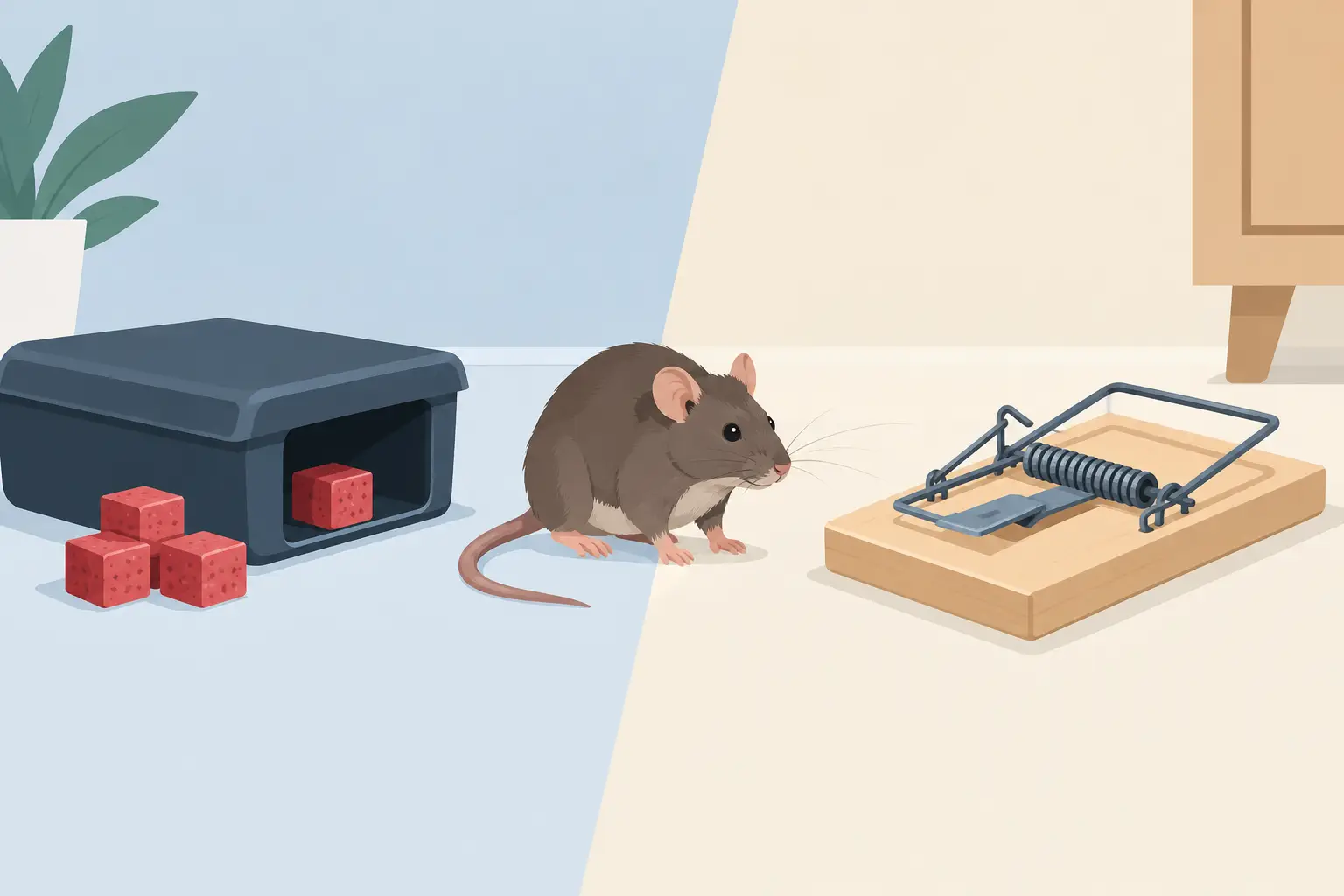
Bait stations are often thought of only as a treatment tool, but they can also provide useful monitoring information. A secured, tamper-resistant station placed in the right external location can show whether rats or mice are feeding along a perimeter. This helps technicians identify pressure points around a building and adjust the treatment plan.
The key words are secured and correctly placed. Loose bait is not an appropriate DIY solution around a family home, school, food business or workplace. Professional stations are designed to restrict access, are checked on a schedule and form part of a wider plan that includes proofing and sanitation. Bait alone does not close the gaps rodents use to enter.
Motion-activated and remote monitoring devices
For larger commercial and industrial premises, remote monitoring can provide another layer of protection. Motion-activated devices, sensor-equipped traps and digital reporting systems can flag activity in difficult-to-access areas. They are useful in warehouses, loading docks, waste areas, ceiling voids and multi-site facilities where regular checks need to be documented.
This technology is helpful, but it is not a replacement for a qualified inspection. A sensor may show activity, yet it cannot explain whether rodents entered through a damaged door seal, an unprotected drain, a roof gap or a neighbouring tenancy. The best result comes from combining data with on-site investigation and practical exclusion work.
Non-toxic monitoring blocks and chew indicators
Non-toxic monitoring blocks can show fresh gnawing without introducing rodenticide. They are particularly useful at the beginning of an inspection or where a site needs to confirm activity before treatment decisions are made. Chew indicators can help distinguish a live issue from old damage, although they must be positioned carefully to avoid interference from other animals.
These tools are valuable for follow-up visits too. When monitoring points remain untouched over time, alongside a clean inspection and completed proofing work, there is stronger evidence that the control program is working.
What homeowners can check safely
You do not need specialist equipment to notice early warning signs. Check behind the fridge and stove, inside the pantry, around hot-water systems, in the garage and near external bins. Look along skirting boards and edges rather than only in the middle of a room, as rodents usually travel close to cover.
Outside, inspect for gaps beneath doors, damaged flyscreens, holes around pipes, loose roof tiles and vegetation resting against the building. Keep rubbish bins closed, store dry food in sealed containers and avoid leaving pet food out overnight. Trimming dense plants away from walls can also reduce sheltered rodent pathways.
Avoid handling droppings with bare hands or sweeping them dry, as this can spread contaminated dust. Ventilate the area, wear disposable gloves and use a suitable disinfectant before carefully wiping the material away. If droppings are widespread, there is a strong odour, or activity appears to be in a roof or wall cavity, arrange a professional inspection rather than disturbing the area.
When DIY tools are not enough
A basic trap or store-bought monitor may catch an occasional mouse, but repeated catches are a signal to investigate further. The same applies when you hear persistent sounds at night, find fresh droppings after cleaning, notice chewed wires or see rodents in daylight. These signs suggest an access or nesting problem that a single device is unlikely to solve.
DIY products also have limits in apartments, shared walls and commercial premises. Rodents may be moving between tenancies or entering through common service areas. Treating one kitchen without inspecting adjoining spaces can leave the source untouched. Food premises, childcare settings, medical environments and high-volume storage facilities need particularly careful device placement, records and follow-up checks.
Ready Pest Control uses a four-step approach: inspection, a tailored plan, targeted treatment and ongoing protection. This makes it possible to match rodent detection methods to the property instead of applying the same solution everywhere. It also keeps the focus on exclusion work, hygiene improvements and monitoring after treatment – the steps that help prevent another infestation.
Choosing the right detection approach for your property
For a suburban home, an inspection of roof voids, kitchens, garages, gardens and external entry points may be enough to map the issue. A restaurant may need discreet monitoring around storage, bin areas, doors and service penetrations, with records that support hygiene procedures. A warehouse or factory may benefit from a scheduled perimeter program with secured stations, remote monitoring and regular reporting.
The trade-off is simple: more complex sites usually need more monitoring points and more frequent checks, but that investment can prevent expensive stock loss, downtime and building damage. Smaller properties may need fewer devices, yet they still require attention to the gap, food source or shelter that allowed rodents in.
If you suspect rodent activity, act while the evidence is still clear. Keep the area undisturbed where practical, take note of where and when you found the signs, and arrange an inspection that looks beyond the immediate symptom. A well-placed detection tool can show activity, but a complete plan gives your home or business the lasting protection it needs.