A cockroach seen near the kitchen sink, fresh rodent droppings in a storeroom or ants crossing the benchtop can make people want an immediate spray. But treating only what is visible often leaves the nest, entry point or food source untouched. Integrated pest management takes a more reliable approach: find out why pests are present, deal with the active problem, then reduce the conditions that allow it to return.
For Sydney homes, apartments, workplaces and industrial sites, this approach provides practical protection without treating every situation as though it needs the same chemical response. It is structured, targeted and focused on long-term control.
What is integrated pest management?
Integrated pest management, often shortened to IPM, is a planned system for controlling pests safely and effectively. It combines careful inspection, prevention, monitoring and targeted treatment. Instead of starting with a broad spray, a licensed technician considers the pest species, the level of activity, the property layout, and the risks to people, pets, stock and operations.
A few ants around an external paving area may need a very different response from an established ant colony inside a wall cavity. Likewise, a single mouse sighting in a house is not managed in the same way as ongoing rodent activity around a food business loading dock. The right treatment depends on the evidence.
The aim is not simply to make pests disappear for a day. It is to interrupt their access to food, water, shelter and entry points while removing the current infestation.
Why a spray-only approach can fall short
Sprays have a place in professional pest control, but they are not a complete answer on their own. If cockroaches are breeding behind appliances, rodents are entering through an unsealed gap under the eaves, or flies are drawn to overflowing rubbish areas, pest activity can return once the initial treatment has worn off.
A reactive treatment can also miss the source of a problem. Bed bugs may be carried between rooms in furniture or luggage. German cockroaches can spread through plumbing voids in apartment buildings. Mosquitoes can breed in even small amounts of standing water. In each case, effective control requires more than treating the visible pest.
IPM is particularly useful where safety and continuity matter. Families with young children and pets want sensible treatment choices. Facilities managers need to protect staff, customers and stock. Hospitality, warehousing, strata and industrial sites need pest control that supports hygiene standards without unnecessarily disrupting operations.
The four steps of integrated pest management
Ready Pest Control applies a clear process that turns a pest concern into a practical protection plan: inspection, plan, treatment and protection.
1. Inspect the property and identify the pest
Good pest control starts with evidence. A technician checks the areas pests are most likely to use, including kitchens, roof voids, subfloors, garages, gardens, bins, storage rooms, ceiling spaces and external perimeters.
The inspection looks for more than live insects or rodents. It can reveal droppings, rub marks, nesting material, damaged food packaging, trails, moisture issues, harbourage points and gaps around pipes, doors or vents. Correct identification matters because pest behaviour determines the treatment method. A spider in a shed, a wasp nest near an entryway and termites in a timber structure each require a different response.
2. Build a treatment plan around the site
Once the pest and pressure points are understood, the treatment plan can be tailored to the property. This may include targeted baiting, residual treatments where appropriate, trapping, insect growth regulators, exclusion work, sanitation advice or monitoring devices.
The plan should also account for the people using the site. In a home, that may mean considering pet areas, children’s toys and food preparation spaces. In a commercial setting, it may involve scheduling work around trading hours, production zones or access requirements. For apartments and strata properties, the plan may need to address common areas and the risk of pests moving between units.
3. Treat active pests with the right method
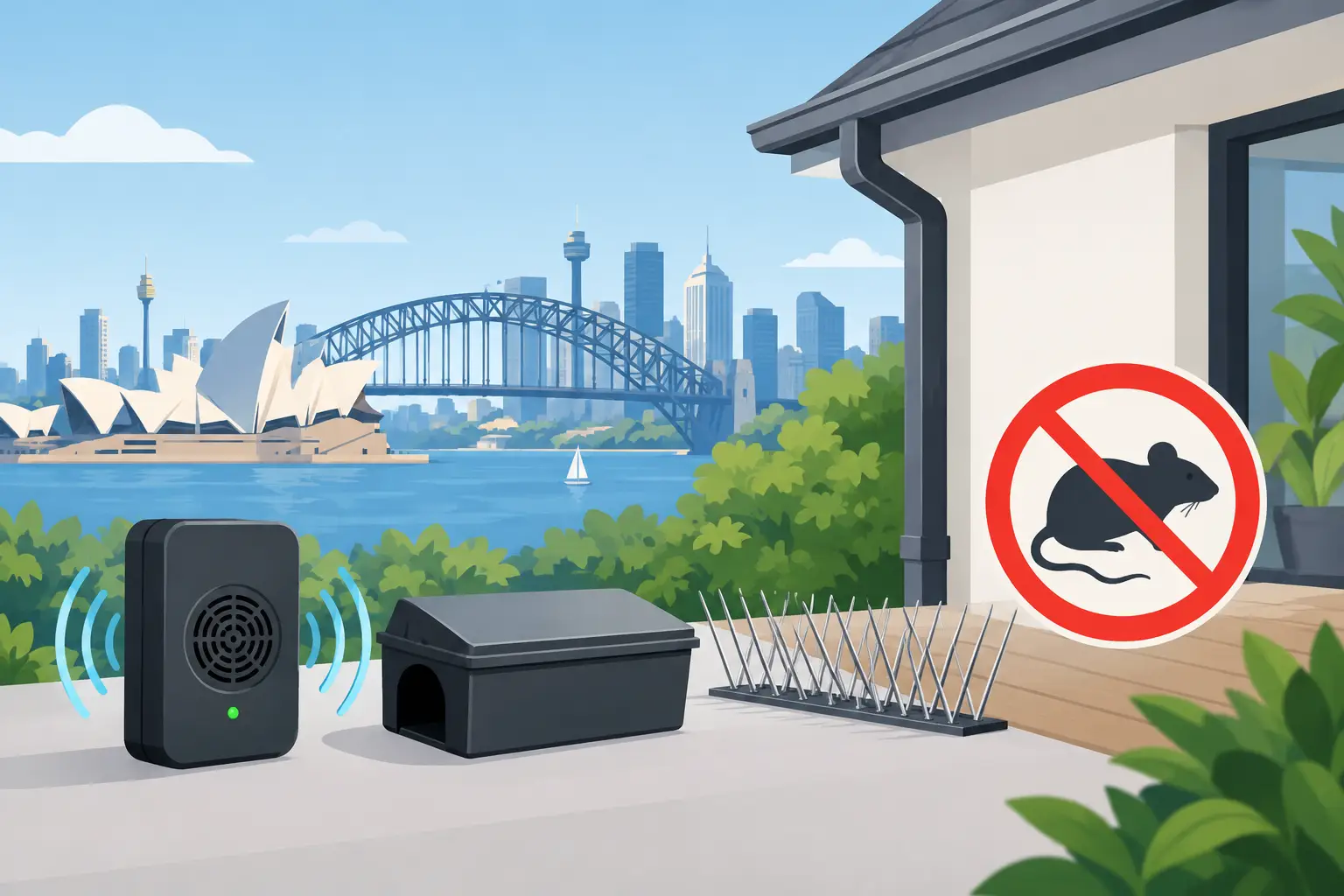
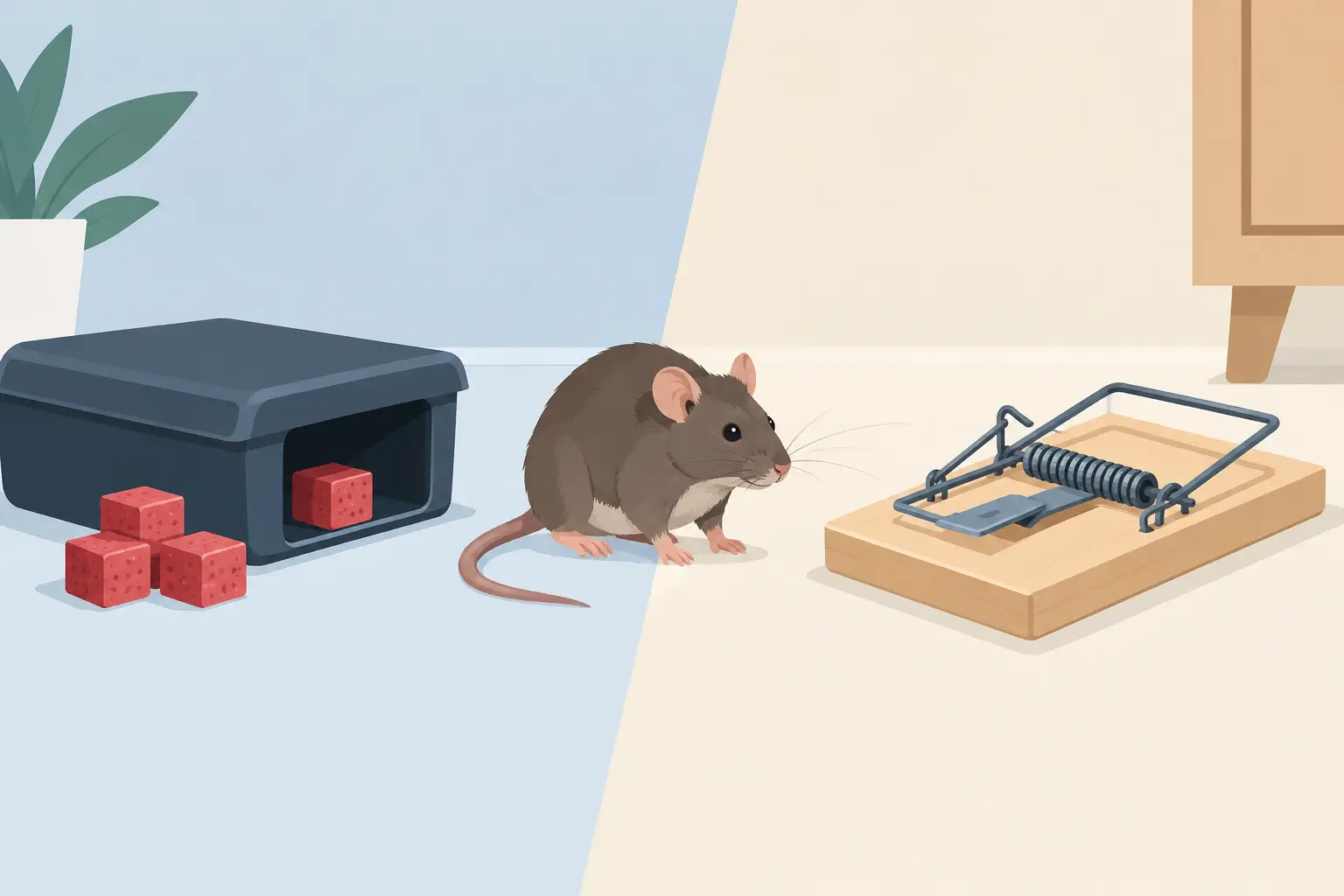
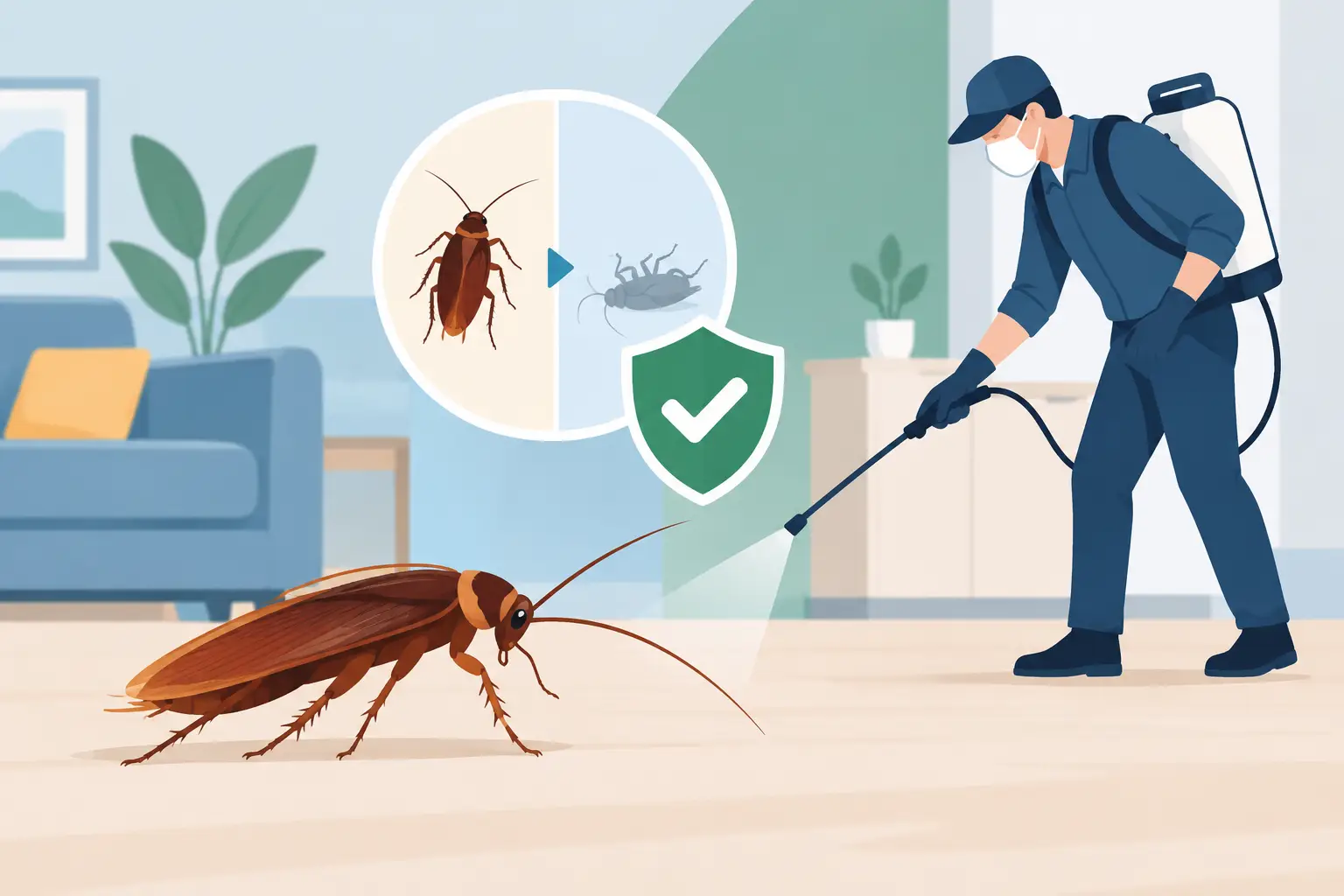
Targeted treatment is the action stage, but it is not automatically the first or only tool. Rodent control may combine secure bait stations with traps and entry-point proofing. Cockroach control may use gel baits in harbourage areas, supported by treatment to key cracks and crevices. Ant control may focus on bait that workers carry back to the colony rather than simply repelling ants from a surface.
Using the right method can reduce unnecessary chemical use while improving results. It also lowers the chance of disturbing pests and pushing them into new areas of the property. Licensed technicians select and apply treatments according to the pest, location and label directions, with clear advice about preparation and re-entry where needed.
4. Protect the property against repeat activity
Long-term pest protection is where many recurring problems are solved. After treatment, the property may benefit from sealing gaps, repairing screens, improving bin management, reducing clutter, fixing leaks or changing how food and stock are stored.
Some sites need scheduled monitoring and maintenance rather than a one-off visit. Restaurants, warehouses, offices, factories and multi-unit buildings often face ongoing pest pressure from deliveries, neighbouring premises, shared waste areas and high foot traffic. Regular inspections allow small issues to be dealt with before they become expensive disruptions.
Prevention measures that make a real difference
Not every pest issue is caused by poor housekeeping. Pests can enter clean, well-managed properties through tiny gaps, deliveries, drains, roof spaces and neighbouring lots. Still, a few practical changes can make a property far less attractive to them.
Keep food in sealed containers, clean crumbs and spills promptly, and avoid leaving pet food out overnight. Put rubbish in closed bins and keep external bin areas tidy. Repair leaking taps, damaged flyscreens and gaps around service pipes. Store cardboard, timber and unused items off the ground where possible, particularly in garages, sheds and storerooms.
Outside, clear leaf litter from drains, avoid water collecting in pot saucers or outdoor containers, and keep vegetation from pressing directly against walls and rooflines. These steps do not replace professional treatment when an infestation is established, but they support it and reduce future risk.
When professional IPM is the better choice
DIY products can help with a minor, isolated pest sighting, but they have limits. Repeated sightings, bites, droppings, damage, nests, foul odours or pests appearing during daylight are signs that the issue may be established. Rodents, bed bugs, German cockroaches, wasps and large ant infestations are especially worth addressing early.
Professional help is also sensible when the property has children, pets, vulnerable occupants, food-handling requirements or complex access areas. A qualified technician can identify the pest correctly, locate likely harbourage points and choose treatments that fit the setting. That can prevent wasted spending on products that only mask the problem.
For businesses, documented inspections and planned maintenance can provide confidence that pest risks are being actively managed. The cost of an ongoing program depends on site size, pest type, activity levels and the frequency of visits, but prevention is usually easier to manage than a shutdown, complaint or damaged stock.
Integrated pest management is not a one-size-fits-all service
IPM does not mean refusing all chemical treatment, and it does not mean a single visit will always solve every pest problem. Some infestations need follow-up visits because eggs hatch after the first treatment, pests are entering from outside, or conditions on site continue to support activity.
What it does mean is that each action has a purpose. Treatment is selected because it suits the pest and location, while prevention and monitoring are used to make the result last. That balance is what helps protect Sydney properties with a family- and pet-considerate approach.
If pests are taking over a room, roof space, garden or workplace, act before the problem spreads. A proper inspection can turn uncertainty into a clear plan and help keep your property protected well after the first pests are gone.