A cockroach in the kitchen is rarely just a kitchen problem. In Sydney apartment buildings, pests move through shared plumbing voids, rubbish rooms, wall cavities, balconies and neighbouring units. One spray in one flat may reduce what you can see, but it will not necessarily stop the infestation at its source.
Effective pest control for Sydney apartments needs a coordinated approach. That starts with a proper inspection, a treatment plan suited to the pest and the building, and practical prevention that keeps the problem from returning. Whether you rent, own your unit or manage a strata property, acting early protects your home, your health and your peace of mind.
Why apartment pest problems can spread quickly
Apartments offer pests exactly what they need: warmth, food, moisture and hidden access routes. Cockroaches often travel along plumbing and electrical penetrations. Rodents can enter through service gaps, ceiling spaces and loading areas. Bed bugs may be carried in on luggage, furniture or visitors, then spread between rooms or units.
The challenge is that the source is not always inside the affected apartment. A cockroach issue in your bathroom might be linked to a neighbouring unit, a shared waste area or a drainage problem. Ants may be nesting outdoors and entering several apartments through cracks around windows. This is why treating only the visible insects can lead to repeated outbreaks.
Sydney’s warm conditions also support pest activity for much of the year. Kitchens, bathrooms and compact laundries are frequent hotspots, particularly where there is steady moisture, food residue or clutter that creates harbourage.
Common apartment pests and what they signal
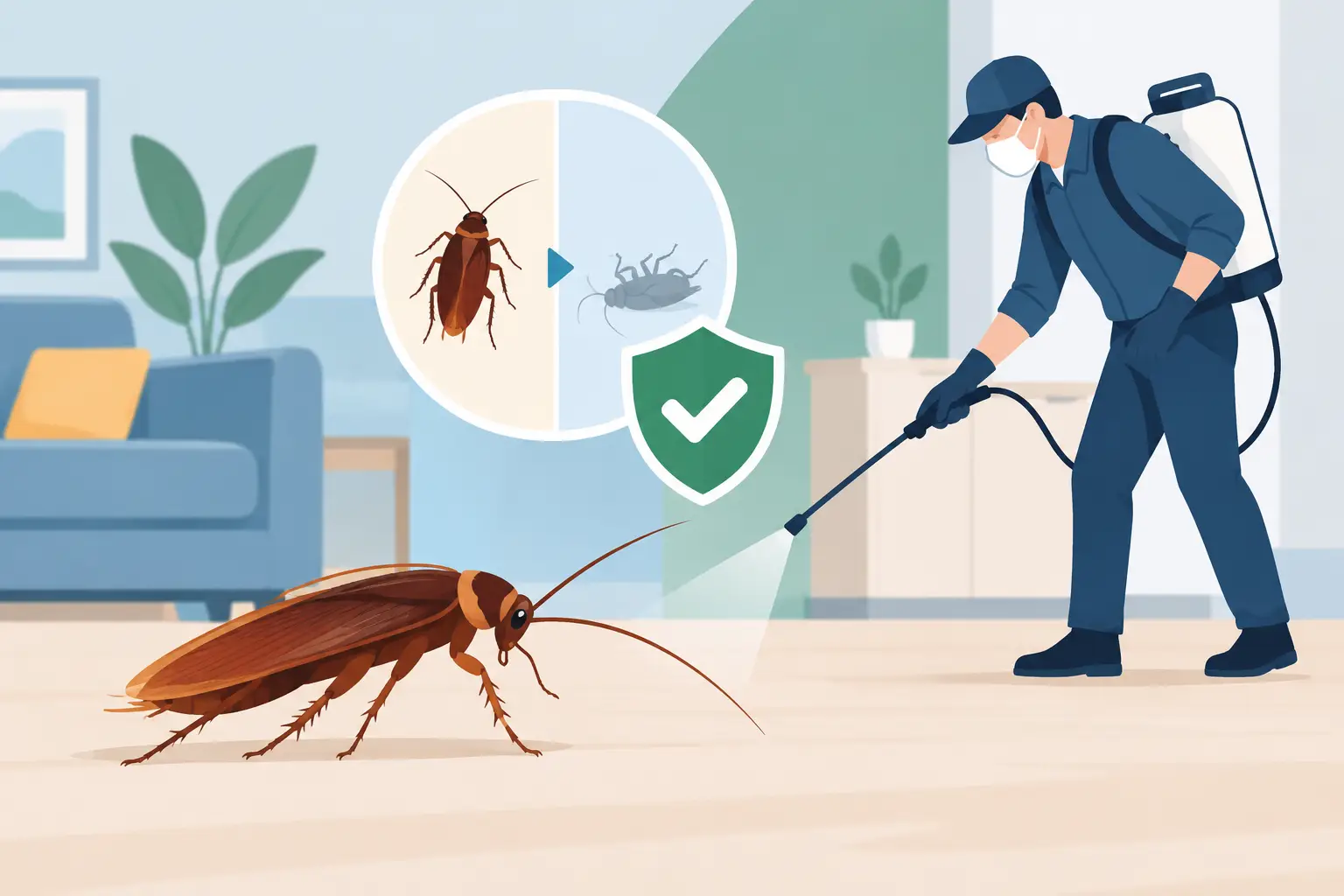
Cockroaches are among the most common apartment pests. German cockroaches, in particular, breed quickly and hide around fridges, dishwashers, cupboards and warm appliances. Seeing small cockroaches during the day can indicate a larger population nearby.
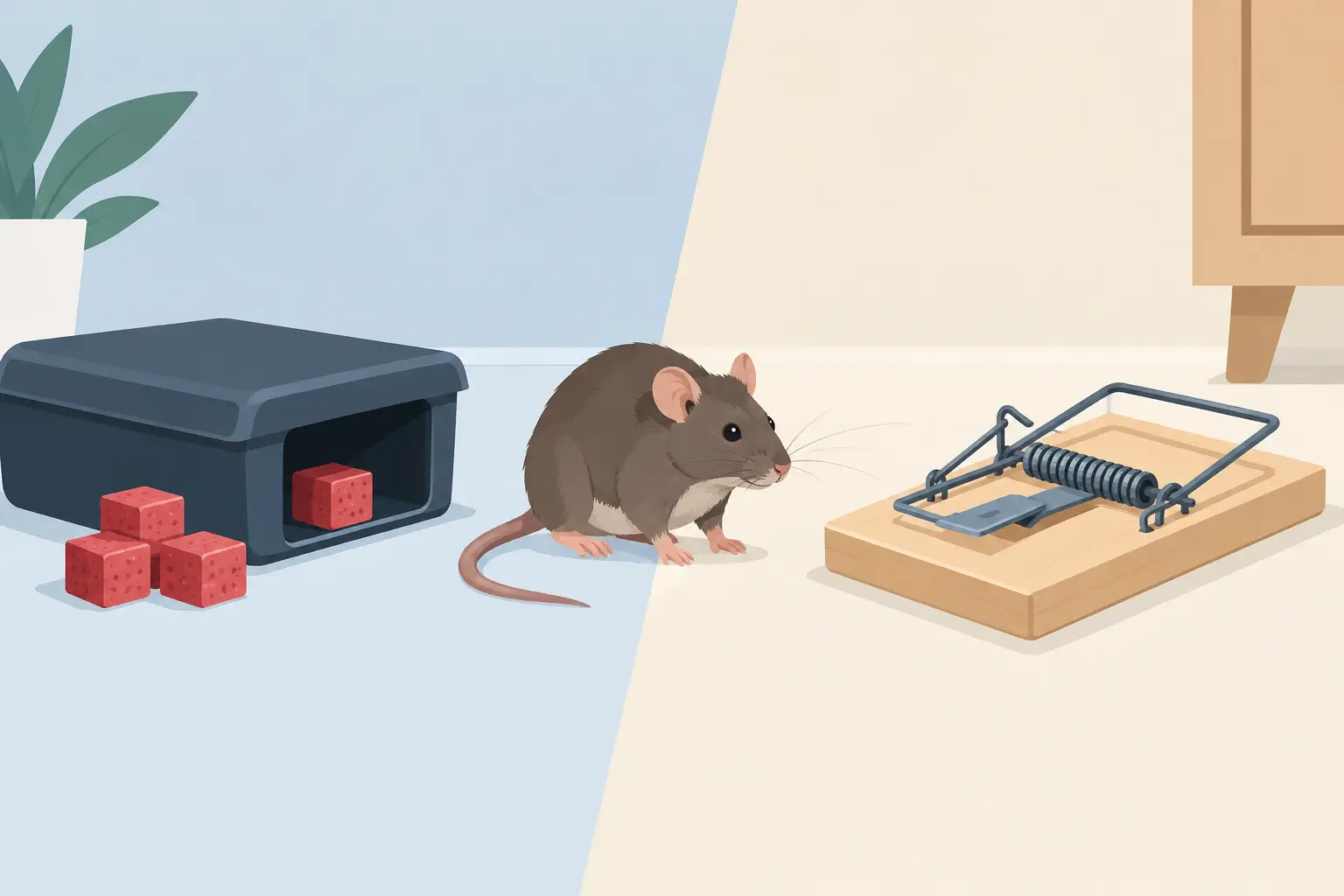
Rodents leave different clues: droppings, gnaw marks, scratching in walls, chewed food packaging or a persistent odour. Rats and mice are not simply a nuisance. They can contaminate food, damage wiring and create hygiene risks in shared buildings.
Bed bugs require a careful response. They do not reflect poor cleanliness, and supermarket sprays rarely reach their hiding places in bed frames, skirting boards, furniture seams and cracks. Bites, blood spots on bedding and small dark marks around the mattress are reasons to arrange an inspection promptly.
Ants, spiders, flies and pantry beetles can also be persistent, but the right treatment depends on the species and entry point. Spraying an ant trail, for example, may scatter the workers without reaching the colony. Identification matters before treatment begins.
Who is responsible for pest control in an apartment?
Responsibility depends on where the infestation began, your tenancy agreement and the strata plan. As a general guide, renters should report pest activity to the property manager or landlord as soon as they notice it. Owners should check whether the issue is confined to their lot or may involve common property.
If pests are entering through shared areas, building services, common walls, rubbish facilities, roof spaces or external grounds, the owners corporation may need to organise treatment. If the cause is clearly within one apartment, such as poor food storage or an introduced bed bug infestation, the resident or lot owner may be responsible.
There is no benefit in waiting while responsibility is debated. Document what you have seen, including photos, dates and affected locations, then notify the relevant manager in writing. Early communication gives the building a better chance of treating connected areas before pests spread further.
What professional pest control for Sydney apartments involves
A reliable service should do more than arrive with a spray can. At Ready Pest Control, the process is built around four practical stages: inspection, plan, treatment and protection.
Inspection finds the real access points
A technician checks the areas pests use and the conditions helping them survive. This may include kitchen cabinetry, appliances, bathroom plumbing, balcony doors, skirting boards, wall gaps and laundry areas. In a building-wide concern, shared rubbish rooms, external perimeters and service areas may also need attention.
The inspection identifies the pest, the likely level of activity and whether there are signs the issue extends beyond one unit. That information prevents a generic treatment from being used where a targeted response is needed.
A tailored plan avoids unnecessary treatment
Not every pest problem requires the same products or the same number of visits. A minor ant issue may be resolved through targeted baiting and sealing entry points. Established cockroach activity can require gel baiting, insect growth regulators and follow-up monitoring. Bed bugs need a detailed room-by-room treatment plan and clear preparation instructions.
For homes with children and pets, treatment selection and placement are especially important. Licensed technicians can use industry-approved, low-toxicity methods where suitable, placing products in targeted areas rather than treating every surface unnecessarily. You will also receive clear advice about access, ventilation and when it is safe to return to treated spaces.
Treatment must reach hiding places, not just pests in view
Visible pests are only part of the problem. Effective treatment targets harbourage areas, breeding sites and routes of travel. This could mean bait inside cupboard hinges and appliance voids for cockroaches, carefully placed rodent stations in appropriate external or service areas, or specialised bed bug treatment around furniture and room edges.
For apartment buildings, coordination is often the difference between short-term relief and lasting control. If several connected units have activity, treating them at the same time may be recommended. It can be inconvenient to arrange access, but it is usually more effective than treating one apartment at a time while pests continue to move through the building.
Protection keeps the pressure off
Follow-up visits and preventive maintenance are valuable when the risk is ongoing. The right schedule depends on the pest, building layout and previous activity. Some treatments include a warranty under applicable terms, while larger strata properties may benefit from a scheduled program covering common areas and high-risk zones.
What residents can do before and after treatment
Professional treatment works best when residents help remove food, water and shelter. Before an appointment, follow the technician’s preparation instructions exactly. This may involve clearing items from under the sink, emptying selected cupboards, washing bedding, vacuuming thoroughly or moving furniture away from walls.
After treatment, avoid wiping treated cracks, corners or bait placements unless advised. Keep food in sealed containers, clean spills promptly and take rubbish out regularly. Fix dripping taps where possible, as even a small source of water can support cockroaches and ants.
Keep balcony areas tidy as well. Stored cardboard, pot saucers, pet food and clutter can attract pests or create hiding spots. If you use the building rubbish room, ensure bags are sealed and report overflowing bins or damaged doors to building management.
When an apartment pest issue needs urgent action
Do not wait for a weekly clean if you see rodents, bed bugs, a growing cockroach population or stinging insects near a balcony or entry. Rodents can create electrical and food-safety risks. Bed bugs become harder to contain as they spread. Wasps and bees near access points need careful assessment, particularly around children, pets and people with allergies.
Avoid using multiple off-the-shelf products in frustration. Mixing chemicals, applying them in the wrong places or overusing aerosol sprays can create safety concerns and may drive pests deeper into wall cavities. A licensed technician can identify the pest and apply a controlled treatment that addresses the problem without guesswork.
Better results start with a building-wide mindset
Apartment living does not mean accepting pests as part of the deal. It means recognising that walls, pipes and common spaces connect homes in ways that are easy to overlook. The quickest path to lasting relief is to report the issue early, involve the right people and choose a treatment plan designed for the source, not just the symptom.
If pests are taking over your apartment, arrange a professional inspection before a small sighting becomes a building-wide problem. A clear plan now can protect your home, your neighbours and the comfort of everyone in the building.