A cockroach skittering across the kitchen floor or scratching in the roof is stressful enough. The concern changes quickly when a curious dog can reach bait, a cat sleeps near treated skirting boards, or a bird cage sits in the living area. Safe pest control for pets is not about choosing a product labelled “natural” and hoping for the best. It is about identifying the pest, controlling exposure, treating the source and giving every product time to work as intended.
For Sydney households, that approach matters. Warm weather, dense housing, pet food bowls, garden areas and roof spaces can create ideal conditions for pests. A proper treatment plan protects your home without taking shortcuts around the animals that live in it.
What pet-safe pest control really means
No pest treatment should be described as risk-free in every setting. Products can be low-toxicity and approved for residential use, but safety still depends on the pest involved, the treatment method, the dose, where it is applied and whether instructions are followed.
The goal is to reduce a pet’s chance of contacting, inhaling or eating a treatment. That may mean using targeted gel baits in inaccessible cracks rather than broadly spraying a room, placing rodent stations in tamper-resistant units, or treating an external perimeter to stop insects before they move indoors.
A licensed technician should also consider your individual household. A large dog that spends most of the day in the backyard has different exposure risks from an indoor cat, a puppy that chews everything, or a home with fish, reptiles or caged birds. These details help determine the right plan and any precautions needed before treatment begins.
Start with inspection, not a spray
The safest treatment is often the one you do not need to apply across the whole property. Inspection finds where pests are entering, feeding, nesting and hiding, so treatment can be limited to the areas that matter.
For cockroaches, this might mean checking behind appliances, under sinks, inside cupboard hinges and around plumbing gaps. For rodents, a technician may inspect roof voids, subfloors, garage clutter, wall gaps and food sources. Ant activity can lead back to an external nest, while spider concerns may be linked to outdoor harbourage around fencing, stored materials and garden growth.
This is why a quick, general spray can be a poor fit for pet households. It may knock down visible insects while leaving the nest, entry point or food source untouched. A tailored plan uses the least intrusive effective method first, then adds treatment only where the inspection shows it is needed.
Treat the cause, not the sighting
Seeing one pest does not always reveal the scale of the issue. A single mouse indoors can indicate access to roof spaces or wall cavities. A few German cockroaches in a kitchen may point to an active breeding site. Treating the source reduces repeat exposure to both pests and pest-control products.
At Ready Pest Control, the process is built around inspection, a customised plan, treatment and ongoing protection. That structure helps keep decisions practical: what needs treatment now, what can be excluded or cleaned up, and what should be monitored after the visit.
Choosing the right treatment around pets
Different pests call for different controls. The best choice depends on the infestation, the property layout and the species of pet in the home.
Cockroaches, ants and crawling insects
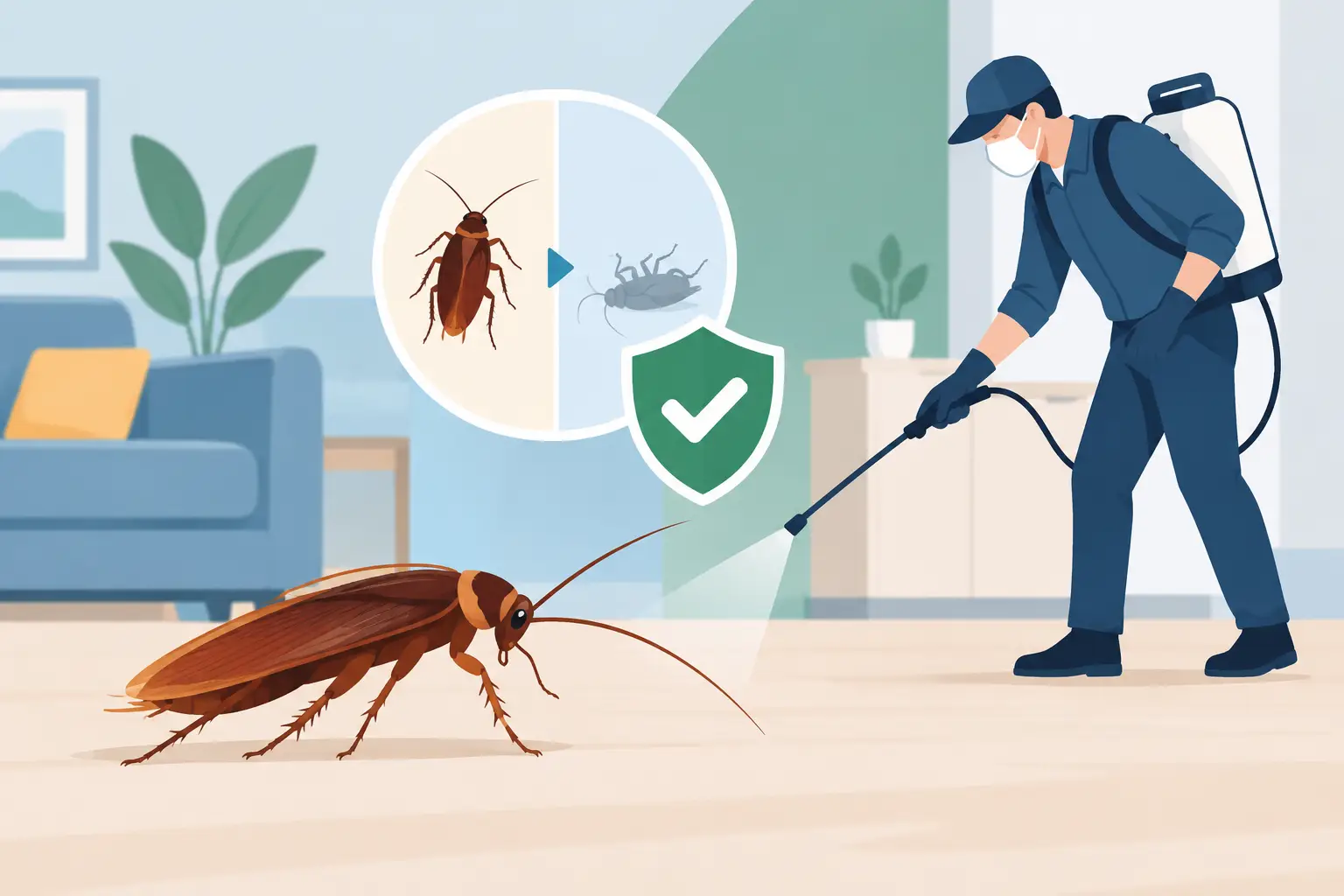
For kitchens and indoor living spaces, professional gel baits and carefully placed treatments can be more targeted than widespread spraying. Baits are placed in concealed, pest-active areas that pets cannot access. They work through the colony or harbourage over time, which is often more effective than chasing individual insects.
Preparation still matters. Keep pet food sealed, wash food bowls before and after the appointment if advised, and clear benches and floors so the technician can inspect properly. Do not scrub treated cracks or bait placements afterwards unless you have been told it is safe to do so.
Rodents
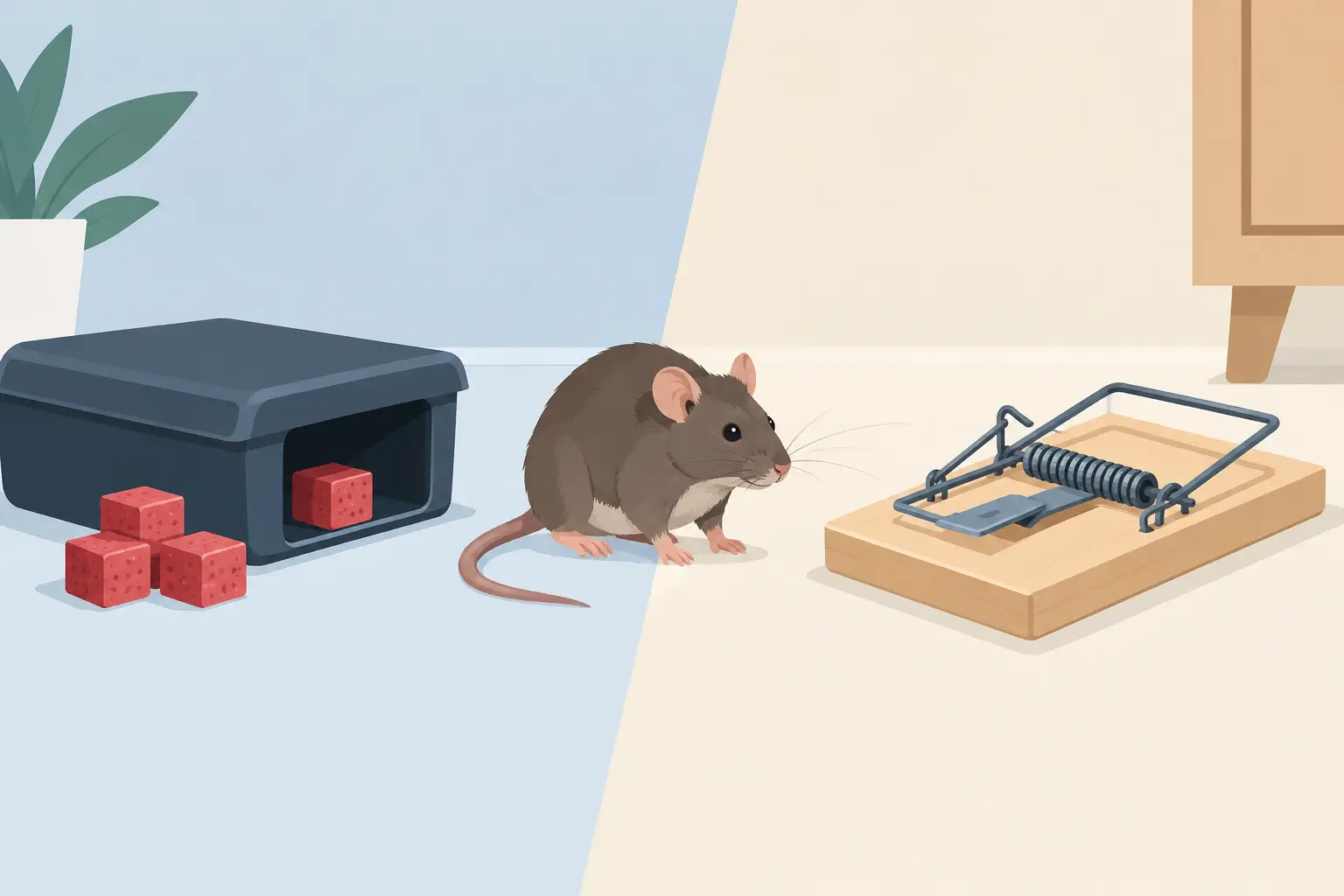
Rodent control needs extra care because dogs and cats may be attracted to bait blocks, and a pet may also find a dead rodent. Professional bait stations are designed to resist tampering and should be positioned where pets cannot reach them. In some situations, trapping, proofing and sanitation may reduce the need for baiting inside the home.
Tell your technician if your pet hunts, chews, digs or can access roof spaces, garages and side passages. If you suspect your pet has eaten bait or a poisoned rodent, contact a veterinarian immediately and take any available product information with you.
Spiders, mosquitoes and outdoor pests
External treatments can reduce the number of pests moving into the house, but pets should still stay away from treated areas until surfaces are dry and the advised re-entry period has passed. This is particularly relevant for dogs that roll on lawns, lick paws or investigate garden edges.
Mosquito management also benefits from prevention. Empty water from pot saucers, toys, blocked drains and other containers where mosquitoes breed. Keep garden vegetation managed, and make sure screens and doors close properly. Less pest pressure means less need for treatment.
Prepare your home before treatment
A professional service should provide clear preparation and re-entry instructions based on the product and treatment areas. Follow them exactly, even if the treatment appears light or odourless.
Before a visit, move pet bedding, bowls, toys and litter trays away from treatment zones. Store dry food and treats in sealed containers. Cover aquariums securely and switch off air pumps if instructed, as fish are especially sensitive to airborne products. Birds, reptiles and small mammals may need to be removed from the property or kept in a separate, well-ventilated area depending on the treatment.
Dogs and cats are usually safest out of the home during indoor treatment and for the stated re-entry period. Do not let them back in simply because the technician has left. Ventilate rooms when advised, wait until treated surfaces are dry, then return bedding and bowls only once the area is ready for normal use.
What to ask your pest technician
You do not need to know the chemistry behind every product, but you should receive straight answers about how the service will affect your household. Ask what pest has been identified, where treatment will be placed, whether baiting or exclusion is suitable, and how long pets need to remain away from each area.
It is also reasonable to ask about follow-up. Some treatments need time to interrupt a breeding cycle, while rodent activity may need monitoring and proofing after the initial visit. A good provider will explain what activity is normal after treatment, what requires a call-back and how to prevent the problem returning.
If your pet has a medical condition, is very young, elderly, pregnant or known to react to chemicals, mention it before the booking. Your veterinarian can also advise on any animal-specific concerns. Pest technicians manage the treatment plan; veterinarians manage your pet’s health.
Keep pests away between services
Pet-friendly prevention is mostly good housekeeping and basic proofing. Feed pets at set times where possible and remove leftover food rather than leaving it out overnight. Keep rubbish bins closed, clean up dropped seed around bird cages, and avoid storing cardboard, timber or garden materials against the house.
Seal gaps around pipes, doors and vents where appropriate. Repair torn flyscreens, clear leaf litter from gutters, and keep shrubs from pressing against external walls. In apartments, report leaks and building-entry issues early, because cockroaches and rodents can travel through shared services and wall cavities.
Avoid relying on loose, unlabelled baits, essential-oil mixes or internet remedies. “Natural” does not automatically mean safe for animals, and poorly placed DIY products can create more risk than a targeted professional treatment. If pests keep returning, there is usually a reason worth finding.
A pet-safe home should not have to tolerate pests as the trade-off. With a clear inspection, controlled treatment and sensible prevention, you can protect your property while keeping your pets where they belong: comfortable, curious and safely at home.