Services

Comprehensive Pest Control Solutions for a Pest-Free Home

Our Services

Discover our effective pest management plans.

Residential Pest Control

Safe and effective protection for your home and family. We eliminate common household pests and create a lasting barrier to keep your living spaces clean and pest-free.

Residential Pest Eradication

Learn More

Commercial Pest Control

Tailored pest management for Australian businesses. We ensure your premises remain compliant, safe, and pest-free with minimal disruption.

Integrated Pest Management in Office Building

Learn More

Industrial Pest Control

Heavy-duty protection for warehouses, factories, and manufacturing plants. We handle large-scale infestations with precision and industrial-grade solutions.

Eco-Friendly Pest Management for School

Learn More

Protect your home with our expert solutions.

Ensure long-term security for your property with our professional defense strategies. We combine advanced detection with targeted treatments to eliminate pests and prevent their return.

Wasps Pest Control

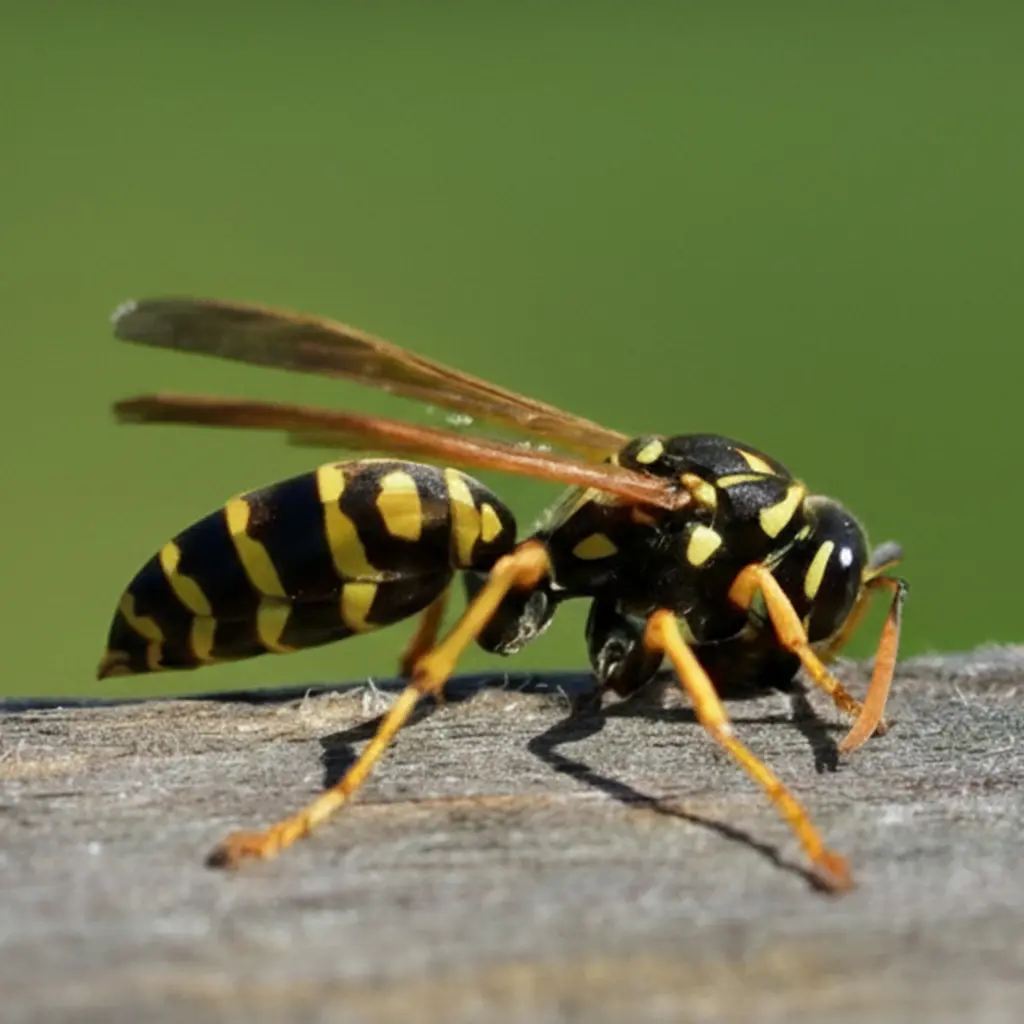
Wasps are social insects that rely on chemical signals called pheromones to communicate with one another. These airborne chemicals warn nearby wasps of danger. If a single wasp is killed, it can release an alarm pheromone that attracts others and makes them aggressive. A wasp colony is centred around a long-living queen, while worker wasps usually survive only a few weeks. Early in the season, workers are smaller because the queen feeds them alone, but later generations grow larger as the colony expands and more food is collected. Because of their defensive behaviour, wasp nests should always be handled by professionals.

Bees Pest Control

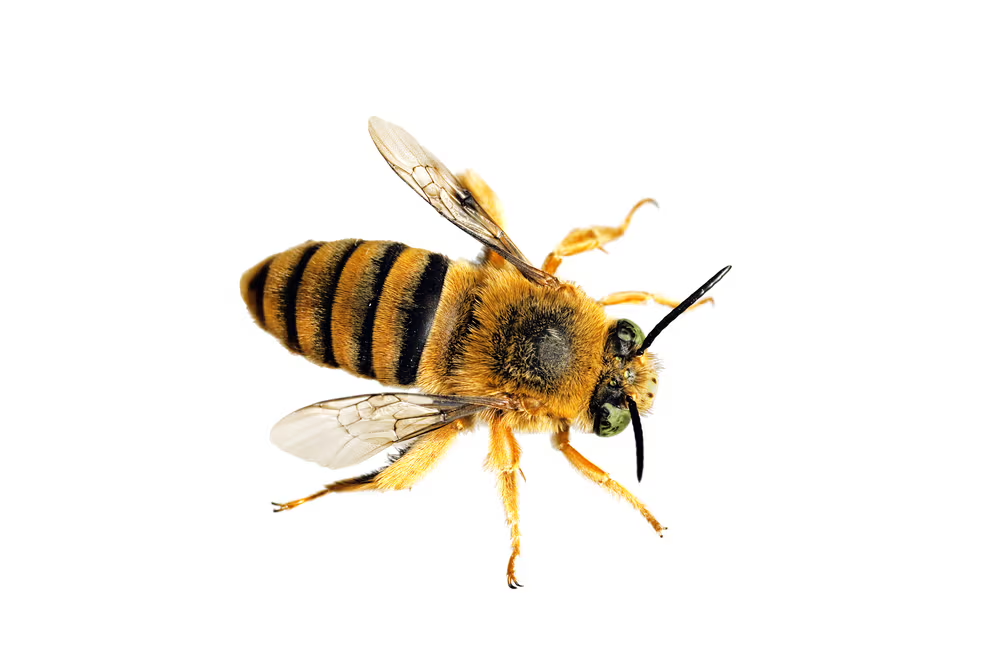
Bees play a vital role in pollination and are essential for gardens, crops, and food production. Honey bees are unique in that they produce honey for human consumption. Compared to wasps, bees are generally non-aggressive and will only sting when threatened. Unlike wasps, a bee dies after stinging. Bees are also well known for their complex communication methods, including movement patterns often referred to as “bee dances,” which help them share information about food sources. Due to their importance to the environment, bee control usually focuses on safe relocation rather than extermination.

Cockroaches Pest Control

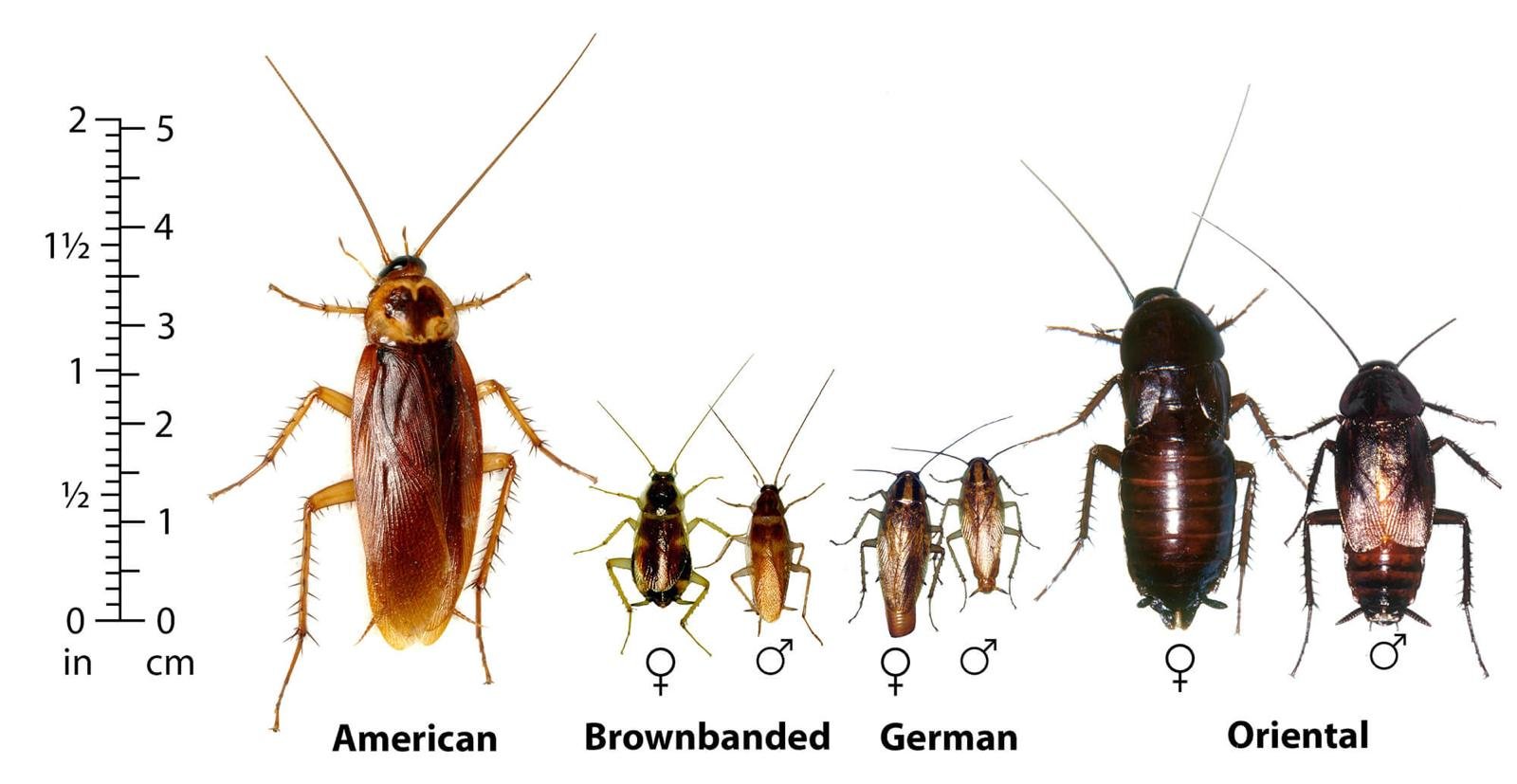
Cockroaches are among the oldest insects on Earth and have survived for millions of years due to their incredible adaptability. They can live in many different environments and are commonly found near human activity. Cockroaches are extremely resilient, capable of surviving weeks without food and long periods without water. Although they live in groups, they do not have structured social roles. Their presence poses health risks, as they contaminate food and surfaces, making professional treatment essential for effective control.

Spiders Pest Control

Spiders may look intimidating, but they are remarkable creatures with unique survival traits. Their silk is produced as a liquid and hardens on contact with air, forming threads that are stronger than steel of the same thickness and highly flexible. Some spider species display unusual behaviors, including females consuming males after mating. While most spiders are harmless to humans, a small number, such as the Sydney funnel-web spider, can be dangerous. Professional spider control helps reduce risk while keeping infestations under control.

Beetles Pest Control

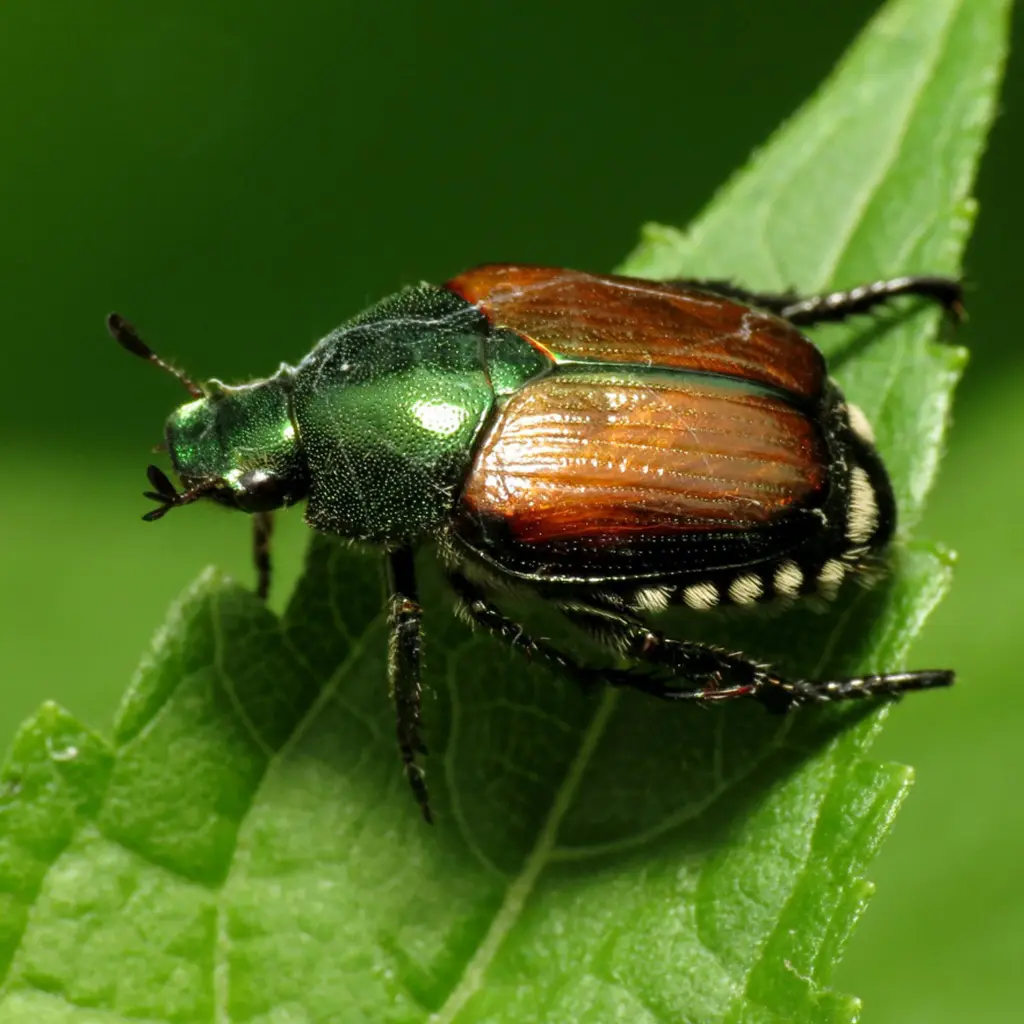
Beetles are one of the most diverse and successful insect groups on the planet. Recognisable by their hard wing covers, they occupy almost every environment and play many different roles, from scavengers to predators. Some species can move surprisingly fast for their size. Beetles have existed for hundreds of millions of years, and some have evolved to mimic ants, allowing them to live undetected inside ant nests. Certain beetle species can become pests when they damage crops, stored food, or property.

Flies and Mosquitoes Pest Control

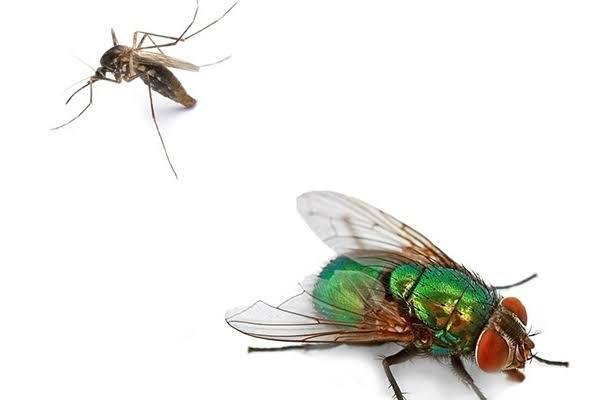
Flies and mosquitoes are widespread insects that significantly impact human health and comfort. Mosquitoes feed on blood and are known carriers of serious diseases. Flies often breed in waste and organic matter, spreading bacteria as they move between surfaces. Their quick reactions are due to sensitive body hairs that detect air movement, making them difficult to swat. Effective pest control focuses on reducing breeding areas and controlling populations to minimize health risks.

Ants Pest Control

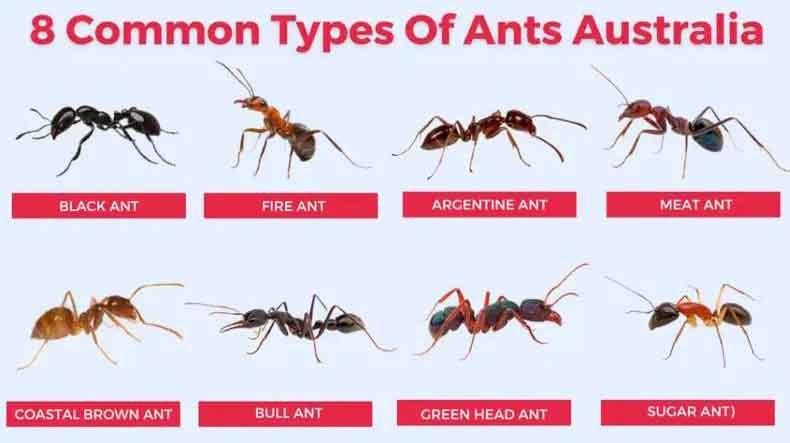
Ants are among the most common insects worldwide and are highly successful at adapting to different environments. They live in structured colonies led by a queen that produces thousands of eggs. Many species are aggressive and have specialized workers for defense and attack. Some ants even invade other colonies and take larvae to raise as workers. Because ant nests can grow rapidly and spread throughout properties, professional treatment is often required to eliminate the problem at its source.

Bed Bugs Pest Control

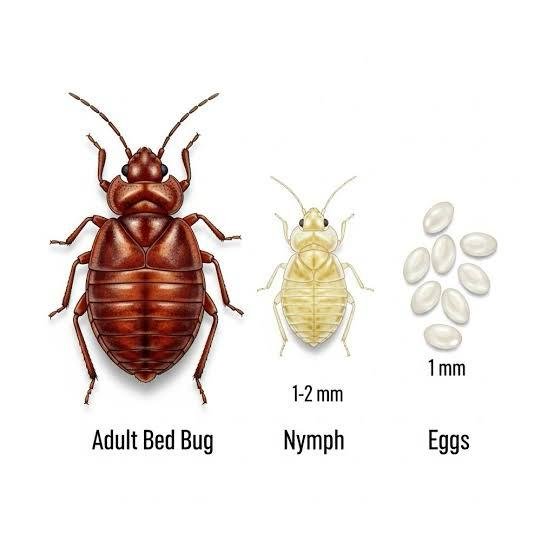
Bed bugs are small, blood-feeding insects that hide in mattresses, bed frames, furniture, and cracks near sleeping areas. They are mostly active at night and are known for their ability to spread quickly through luggage, clothing, and second-hand furniture. Bed bugs do not transmit disease, but their bites can cause itching, irritation, and loss of sleep.

These pests are extremely resilient and can survive for months without feeding, making them difficult to eliminate without professional treatment. Bed bug infestations often require a detailed inspection and a targeted treatment plan to ensure all life stages, including eggs, are properly controlled. Early detection and professional pest control are essential to prevent the infestation from spreading further.

Mice & Rat Control

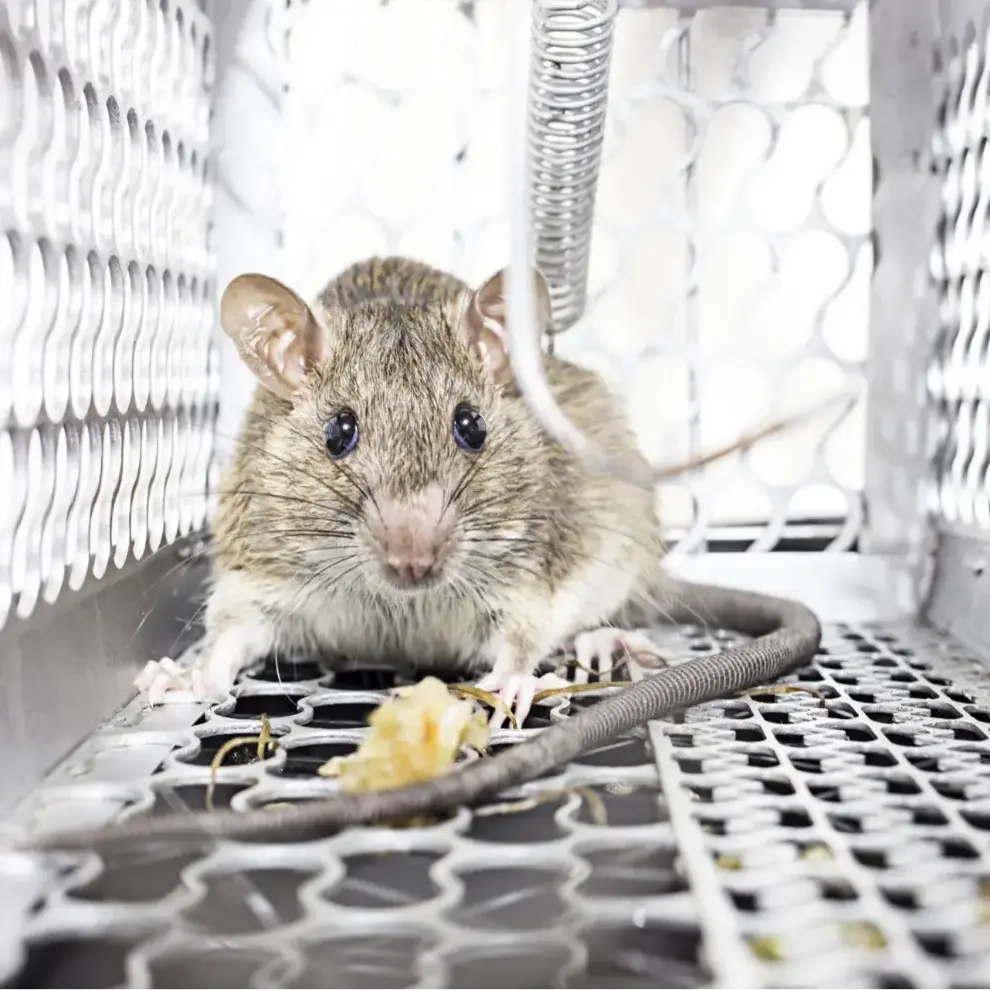
Mice and rats are highly adaptable rodents that invade homes and businesses in search of food, warmth, and nesting sites. Often nesting in wall cavities, roof voids, and behind appliances, these pests are known for their rapid breeding cycles and destructive gnawing habits.

Beyond damaging structures and electrical wiring, rodents pose significant health risks by contaminating food surfaces with droppings and urine, and they are known carriers of various diseases. Because they are nocturnal and elusive, a professional approach is essential to identify entry points, eliminate the infestation, and prevent future nesting.

Testimonial

Client Feedback & Reviews